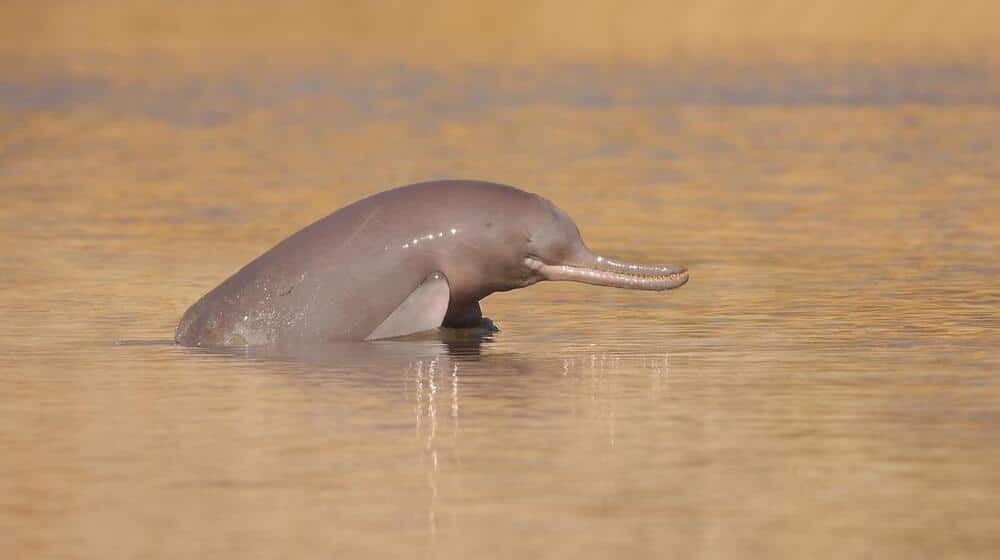
National advancement requires calibrated ecological stewardship. A recent Geographic Information System (GIS)-based survey has precisely confirmed the presence of 135 Indus River Dolphins in the Dera Ismail Khan stretch of the Indus River. This represents a significant, data-driven milestone in Pakistan’s ongoing conservation efforts, providing a baseline for future protective measures for this endangered species.
The Translation: Precision in Conservation
Understanding the methodology is crucial. A GIS-based survey employs advanced mapping and data analysis to provide exact geographical coordinates for species sightings and habitat mapping. The Wildlife Division Dera Ismail Khan, under Divisional Forest Officer Khan Malook Khan and Sub-Divisional Wildlife Officer Malik Saqib, strategically conducted this comprehensive assessment. Consequently, the project, specifically “Conservation and Management of Indus River Dolphin in D.I. Khan,” yielded granular data vital for targeted interventions.
Structural Details of the Dolphin Census
The survey’s structural integrity is paramount for accurate conservation planning. From February 18–24, 2026, the team meticulously covered the area from Chashma Barrage to the Ramak area, within Khyber Pakhtunkhwa limits. Furthermore, modern GIS-based mapping and monitoring techniques were deployed to ensure data precision. Beyond mere population counts, this comprehensive approach systematically identified critical elements:
- Key Habitats: Specific zones vital for the dolphins’ survival.
- Family Groupings: Insights into social structures and breeding patterns.
- Movement Corridors: Essential pathways used by these unique aquatic mammals.
This detailed assessment of the dolphins’ population distribution and living conditions provides an actionable blueprint for habitat management. The data reinforces the ecological importance of these segments of the Indus River.

Socio-Economic Impact: A Ripple Effect
How does the thriving population of Indus River Dolphins impact the daily life of a Pakistani citizen? This ecological success story serves as a tangible indicator of improved river health, directly benefiting rural and urban households dependent on the Indus for agriculture and sustenance. Cleaner, healthier waterways lead to better water quality for irrigation and consumption, subsequently enhancing public health and agricultural productivity. Moreover, the preservation of such iconic species elevates Pakistan’s global standing in environmental stewardship, potentially attracting eco-tourism and fostering national pride among students and professionals alike, connecting them to a unique natural heritage.

The Forward Path: A Momentum Shift
The findings decisively indicate a noticeable increase in the dolphin population within this river segment, underscoring both its ecological significance and the proven efficacy of current conservation measures. Divisional Forest Officer Khan Malook Khan affirmed that this updated data provides a critical scientific foundation. Consequently, it will inform future monitoring protocols, catalyze improved habitat management, and guide long-term conservation planning essential for protecting this rare and endangered species. This development represents a Momentum Shift, signaling that strategic, data-driven interventions are successfully reversing previous declines and setting a robust trajectory for the sustained preservation of Pakistan’s unique aquatic biodiversity.