Manchester United Star Bruno Fernandes Hacked: A Digital Firestorm
Manchester United captain Bruno Fernandes faced a digital firestorm late Sunday night. His official X (formerly Twitter) account was hacked by intruders. This incident happened just hours after United’s tough 2-1 FA Cup defeat to Brighton & Hove Albion. The online security breach intensified a difficult night for the Red Devils, adding more chaos to their early exit.

The takeover began with several puzzling and uncharacteristic messages. For instance, the first strange post invited followers to “Join Macclesfield FC. Excited for the future.” This seemingly referenced the sixth-tier club which had recently defeated Crystal Palace. Furthermore, more aggressive posts quickly followed. The hacker boldly claimed, “At the end of the day I will always be a winner. No matter what,” using a money bag emoji. These rapid-fire posts clearly showed the football world that Fernandes had lost control of his digital presence.
Hacker’s Agenda: Controversial Posts and Club Politics
The hacking incident quickly escalated with increasingly provocative content. The intruders published several X-rated and derogatory remarks. These messages targeted well-known public figures, including female footballer Alisha Lehmann and social media personality KSI. Clearly, the hackers aimed to generate maximum outrage. They exploited the Manchester United captain’s huge platform to spread malicious content to millions of followers.

Significantly, one post during the breach focused on Manchester United’s internal operations. The hacker shared a message: “let’s get rid of INEOS.” This referenced Sir Jim Ratcliffe’s group, which manages the club’s football operations. Therefore, by injecting club politics, the hackers fueled existing tensions about team ownership. The hacked account even interacted with 18-year-old United player Shea Lacey, who had recently apologized for a red card, responding coldly: “just don’t do it again.”
Official Response to the Bruno Fernandes Hacked Account
Fans quickly questioned the posts’ validity. Consequently, Manchester United moved swiftly to limit the damage. The club officially confirmed that Fernandes’s account had been hacked. They urged supporters not to engage with any posts or direct messages from the compromised profile. In a surreal twist, the hacker even shared the club’s warning on Fernandes’s own page, adding a mocking comment: “Make sure you guys stay alert for any hacks.”

The intruder continued interacting with users late into the night. They challenged darts star Luke Littler to a FIFA game and made controversial claims about celebrity boxing. Before this breach, Fernandes’s account was professionally maintained since 2019, with over 500 posts. His last genuine update in October celebrated his 300th Manchester United appearance. Club officials worked tirelessly through the night to regain control and remove the offensive content.
Protecting Athletes: Lessons from the Bruno Fernandes Hack
This incident clearly highlights the significant cybersecurity risks high-profile athletes face. Their social media accounts hold millions of followers and immense commercial value. Thus, they become prime targets for hackers aiming to spread disinformation or damage reputations. The breach of a club captain’s account, particularly during poor on-field results, underscores the vital need for robust security. This includes non-SMS based multi-factor authentication and regular security audits for third-party apps.
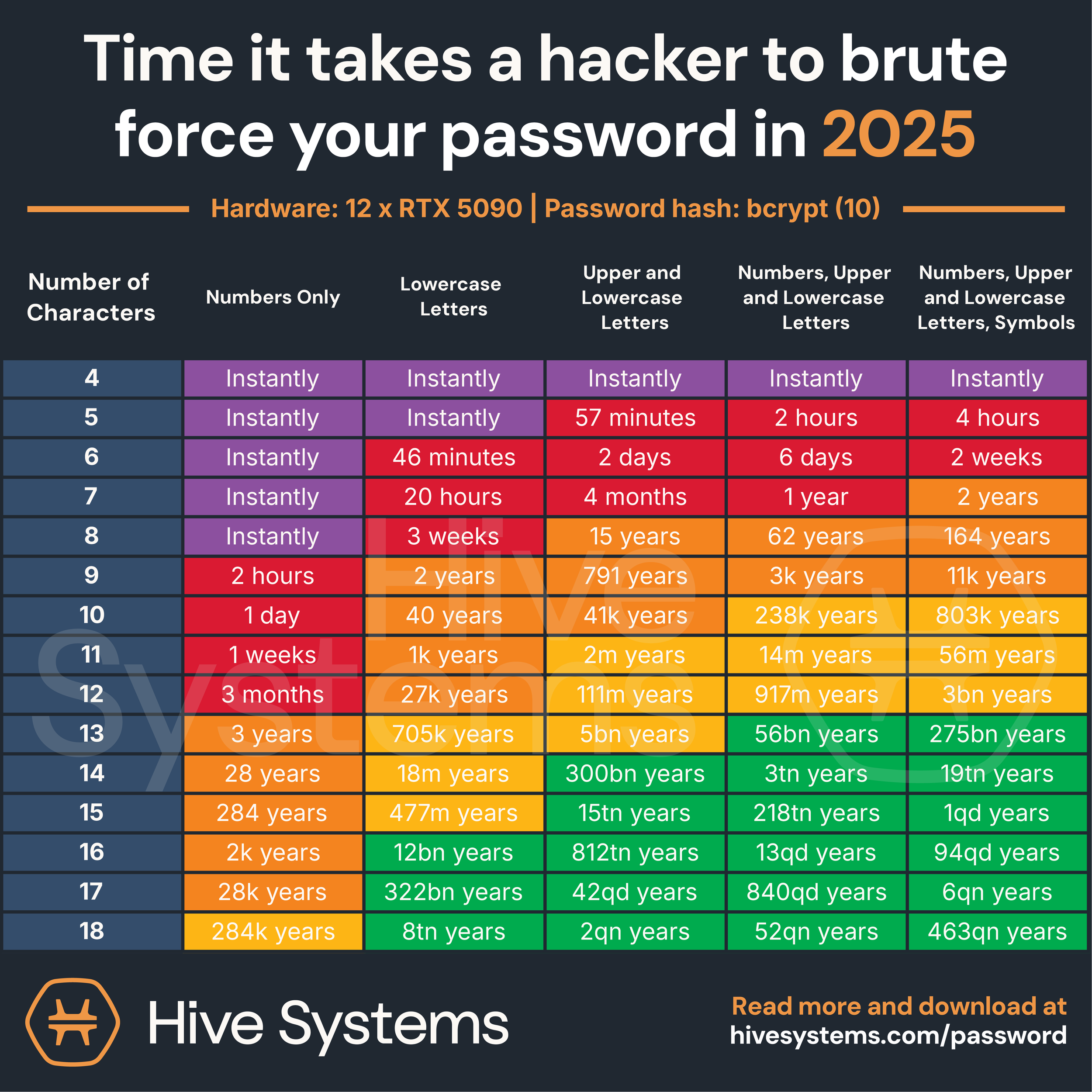
Experts strongly advise public figures and their management teams to practice strict digital hygiene. For example, this involves using complex, unique passwords. Additionally, all staff with account access must receive training to identify phishing attempts. As football’s digital and physical aspects converge, an athlete’s online security becomes as crucial as their pitch performance. Ultimately, for Bruno Fernandes and Manchester United, this was a night to forget, both on the field and online.