Strategic Imperative: Re-establishing Dubai Financial Channels to Restore Dubai Forex
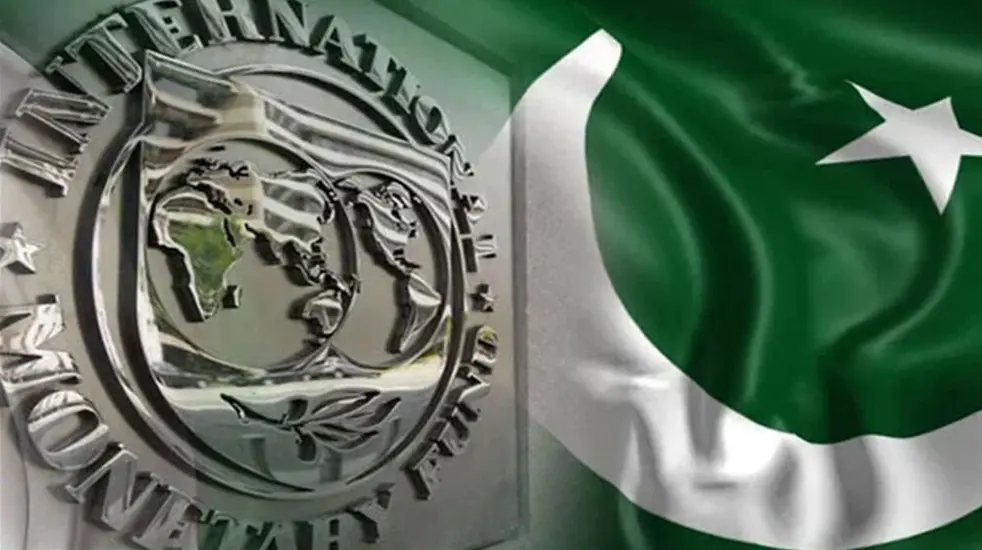
Pakistan’s currency traders are actively moving to restore Dubai forex transaction capabilities, a critical step following disruptions caused by recent regional conflicts. This strategic initiative aims to reactivate normal commercial operations between these two vital economic hubs. Representatives from exchange companies in Karachi and Lahore are preparing to depart for Dubai. Their mission is precisely to resume foreign currency transactions that have critically stalled, thereby impacting the fluidity of the nation’s financial systems.
The Translation: Unpacking Forex Transaction Stalls
The core issue revolves around Pakistan’s exchange companies accumulating significant foreign currencies, specifically Saudi riyals and UAE dirhams. Historically, these currencies are sent to Dubai for conversion into US dollars, leveraging Dubai’s robust financial infrastructure. Zafar Paracha, General Secretary of the Exchange Companies Association of Pakistan, confirms these holdings. Consequently, the disruption necessitates direct engagement to recalibrate these essential conversion pathways.

Dubai functions as a foundational pillar in Pakistan’s foreign exchange market. Hundreds of Pakistani businesses operate there, strategically benefiting from distinct tax advantages and advanced financial services often unavailable domestically. This structural reliance underscores the urgency to restore financial links. Malik Bostan estimates approximately $50 million in non-dollar foreign currencies have accumulated, awaiting conversion. Converting these into dollars through Dubai is projected to help stabilize forex flows.
Socio-Economic Impact: Stabilizing Daily Financial Realities
This initiative directly influences the daily financial realities of Pakistani citizens. For urban professionals and rural households alike, stable foreign exchange rates translate into predictable import costs for essential goods, from medicines to technology. Furthermore, it impacts remittances, ensuring that funds sent by overseas Pakistanis retain their intended value. The smooth functioning of forex markets is a baseline requirement for economic stability, safeguarding purchasing power and mitigating inflationary pressures.

While trade with the UAE, Pakistan’s second-largest trading partner, experienced disruption, the State Bank of Pakistan observed an increase in foreign exchange reserves. Specifically, reserves rose by $87 million, reaching $16.3 billion, with total liquid reserves at $21.43 billion. This suggests a systemic resilience, even amidst external pressures. However, the direct flow of specific currencies requires operational remediation for broader economic benefits.
The Forward Path: A Momentum Shift for Fiscal Efficiency
This development unequivocally represents a “Momentum Shift” for Pakistan’s fiscal efficiency. The proactive measures by currency traders to restore Dubai forex channels demonstrate an adaptive response to external challenges. It signifies a strategic recognition of interdependent financial ecosystems. This move is not merely about maintenance; it is about recalibrating a vital economic artery. Successful restoration will enhance liquidity, optimize currency conversion, and solidify Pakistan’s position within regional financial networks. Consequently, this reinforces the structural integrity of our national economy.
Ultimately, this disciplined approach to re-establish financial fluidity is a catalyst for broader economic confidence. It ensures that Pakistan can continue its trajectory towards greater financial independence and stability. The precise execution of these plans will be paramount to realizing these long-term benefits.