

Pakistan Embraces Virtual Assets: A New Era for the Formal Economy
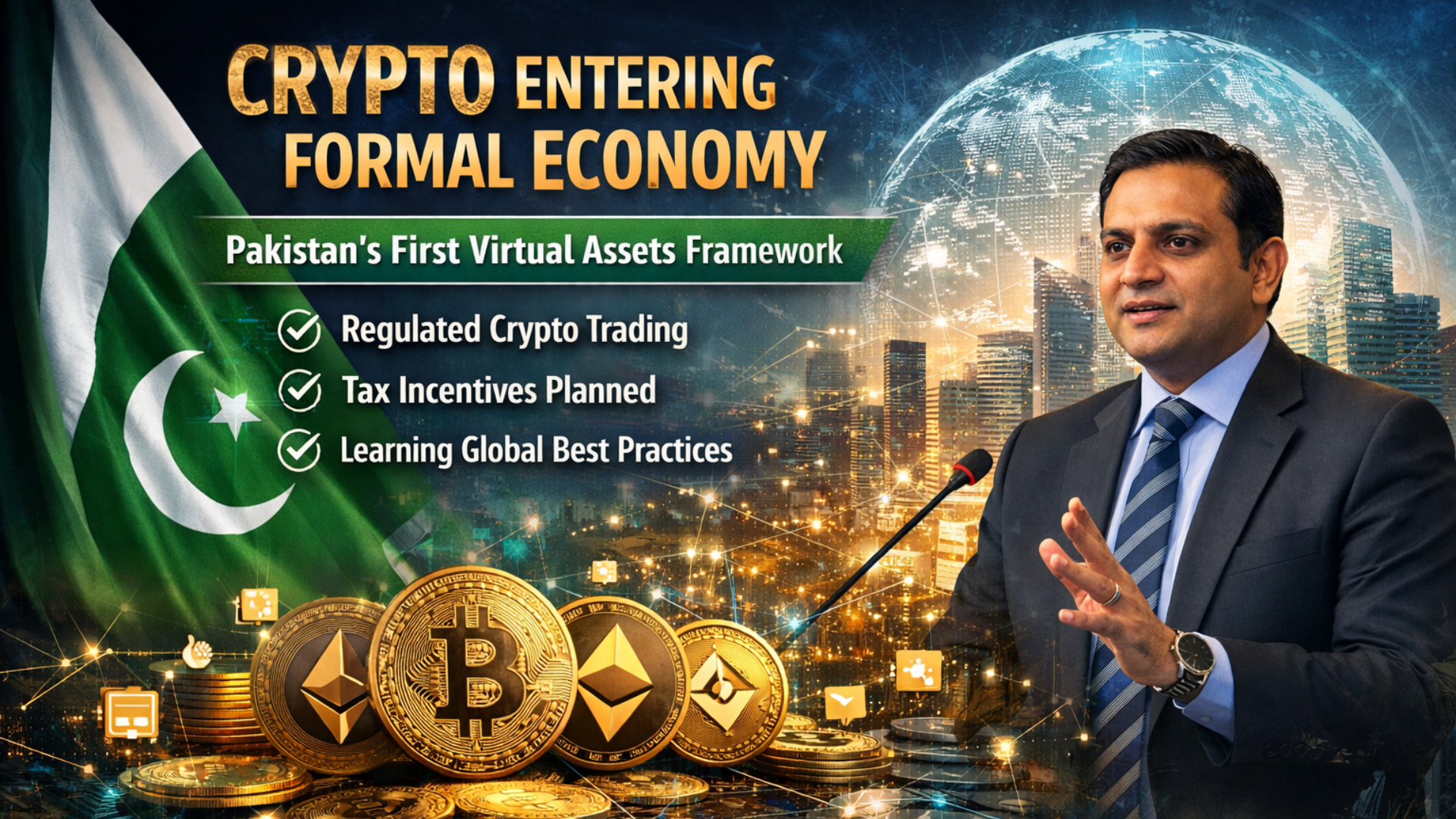
Pakistan is on the cusp of a significant digital transformation. Advisor to the Finance Minister, Khurram Schehzad, recently unveiled “Digital Nation Pakistan 2025,” an ambitious vision designed to establish Pakistan as a digitally empowered nation. Crucially, this initiative includes the integration of crypto into the formal digital economy under the upcoming Pakistan virtual assets framework. Consequently, this move promises new opportunities for crypto holders and explores various tax incentives currently under discussion.
Paving the Way: The Pakistan Virtual Assets Regulatory Authority
The establishment of the Pakistan Virtual Assets Regulatory Authority (PVARA) marks a pivotal step. Through PVARA, crypto holders will gain access to the formal financial system, ensuring a regulated and secure environment. Schehzad shared these insights while addressing the esteemed FinTech Forward Forum during the 27th ITCN Asia event, emphasizing the government’s commitment to digital innovation.
Digital Transformation in Government Operations
Streamlining Governance with E-Office
Schehzad highlighted the remarkable progress in government digitalization. Presently, 99 percent of government files seamlessly transfer between ministries via the E-Office platform. This robust system has successfully eradicated issues such as data loss and decision-making delays. Furthermore, integrated performance tracking enhances both transparency and accountability within public services.
Ambitious Digitalization Goals
The government harbors ambitious plans for widespread digital adoption. It aims to establish 120 million new bank accounts, fostering greater financial inclusion. Additionally, all government-to-government (G2G) transactions are targeted to become 100 percent digital this year, with the entire governmental framework transitioning onto a comprehensive digital foundation. This widespread shift will revolutionize public sector efficiency.

Boosting Investment and Self-Sufficiency
Special incentives are under development to attract investors, forming a crucial part of Pakistan’s industrial policy. The government is actively providing small loans to Small and Medium-sized Enterprises (SMEs), the agricultural sector, and youth, thereby encouraging self-sufficiency and entrepreneurial spirit. Moreover, skill bonds are being issued to incentivize and reward skilled individuals, contributing to a more capable workforce.
Government’s Role in Fostering a Digital Economy
The government’s primary role centers on cultivating an environment conducive to innovation, especially concerning the growing interest in Pakistan virtual assets. It seeks to create a supportive policy framework specifically tailored for emerging technologies. Policies are being meticulously formulated to empower Pakistan’s youth, particularly within the burgeoning financial and digital sectors. Ultimately, this strategic approach aims to unlock their full potential.

Navigating the Regulatory Landscape for Virtual Assets
Regarding regulatory matters, a comprehensive framework for Pakistan virtual assets is under active consideration. Pakistan remains in the initial stages of this complex journey. Schehzad referenced the UAE as an exemplary model with an effective virtual assets regulatory system. Consequently, Pakistan is moving forward both cautiously and confidently, diligently learning from global best practices to ensure robust and responsible regulation.
Conclusion: A Balanced Approach to Digital Future
The session concluded by emphasizing several key principles. These include balanced policymaking, the implementation of innovation-friendly regulations, and strict adherence to global best practices. This holistic approach ensures Pakistan’s digital future is both progressive and secure.








