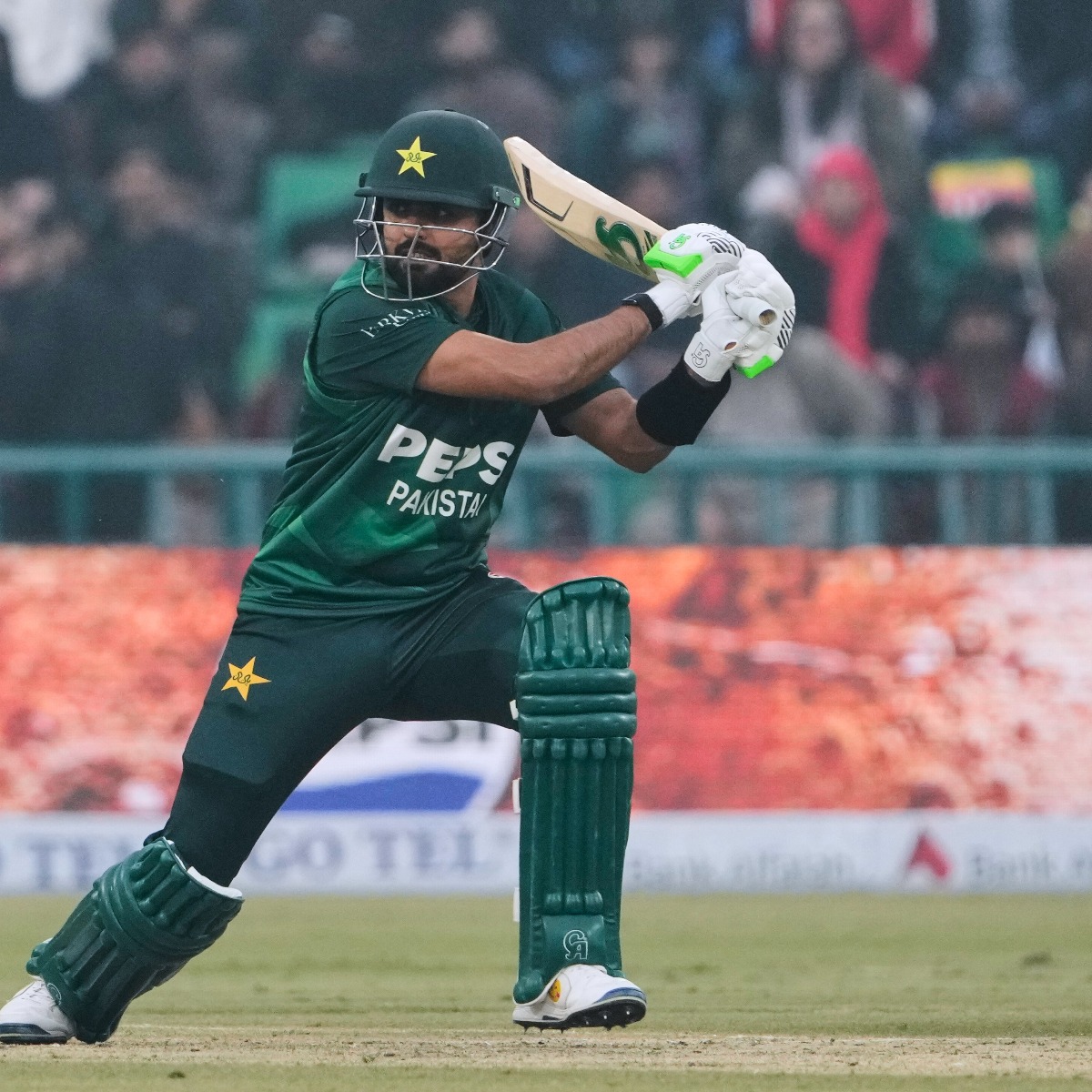
Distinguished cricket analysts, including ICC Hall of Famer Ricky Ponting and former India head coach Ravi Shastri, have strategically raised concerns regarding Babar Azam’s T20 World Cup performance and his calibrated role for Pakistan. Specifically, these experts question his recent form, which presents a significant tactical challenge for the team’s advancement in the ICC T20 World Cup 2026. This assessment follows Azam’s 15-run, 18-ball innings against the Netherlands, an outing that catalyzed broader discussions about Pakistan’s overall Babar Azam T20 World Cup strategy and optimal player deployment.
The Translation: Deconstructing Batting Intent and Pressure
Cricket legends articulate a precise concern: Babar Azam’s current batting approach lacks the customary fluency required for T20 cricket. Ponting meticulously observed a quantifiable decline in his timing and power, particularly within the critical middle overs. Consequently, this scenario generates undue pressure on his batting partner, who must then assume primary responsibility for boundary scoring. Furthermore, Shastri emphasized the inherent “baggage” of expectation that high-profile athletes carry, underscoring the necessity for early, aggressive intent—even if it entails heightened risk. This critical analysis directly impacts Pakistan’s Babar Azam T20 World Cup preparations.
Strategic Role Redefinition for Optimal Performance
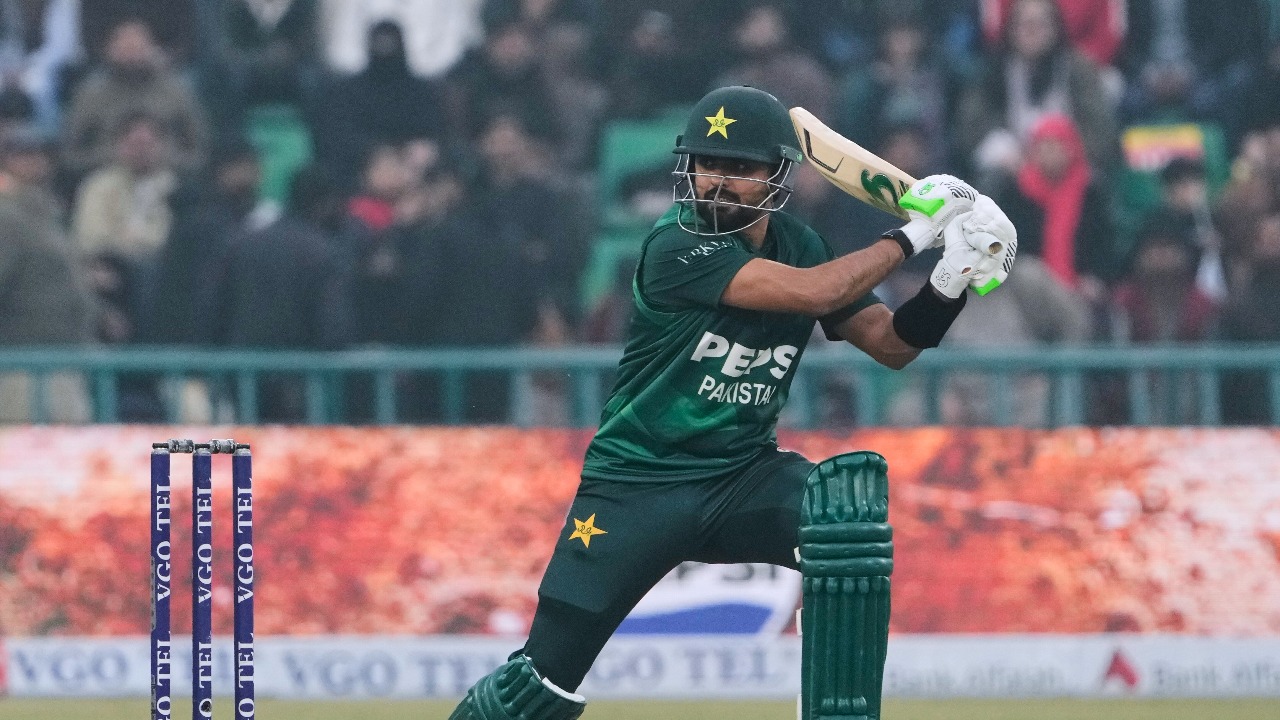
The core of the issue extends beyond individual form to strategic team construction. Ponting specifically questioned Babar Azam’s current batting position, suggesting his reduced power-hitting capability limits the team’s structural capacity to maximize scoring opportunities in the crucial middle overs. Historically, Babar has thrived in the No. 3 position, a role that effectively leverages the Powerplay. Shifting him to No. 4, as seen against the Netherlands, may have inadvertently amplified performance pressure, disrupting his baseline rhythm and impact. This tactical adjustment is crucial for Pakistan’s overall Babar Azam T20 World Cup performance.
The Socio-Economic Impact: Inspiring a Nation’s Aspirations
For the average Pakistani citizen, especially students and aspiring athletes, the performance of national icons like Babar Azam directly correlates with a sense of national pride and collective morale. A top-tier performance on the global stage, particularly in an event as significant as the T20 World Cup, catalyzes inspiration. Conversely, perceived struggles can generate national discourse, prompting discussions about strategic planning and individual accountability within high-stakes environments. This directly impacts the confidence of young professionals and households, as national sporting success often mirrors broader societal aspirations for excellence and progress.
The “Forward Path”: A Momentum Shift Awaits
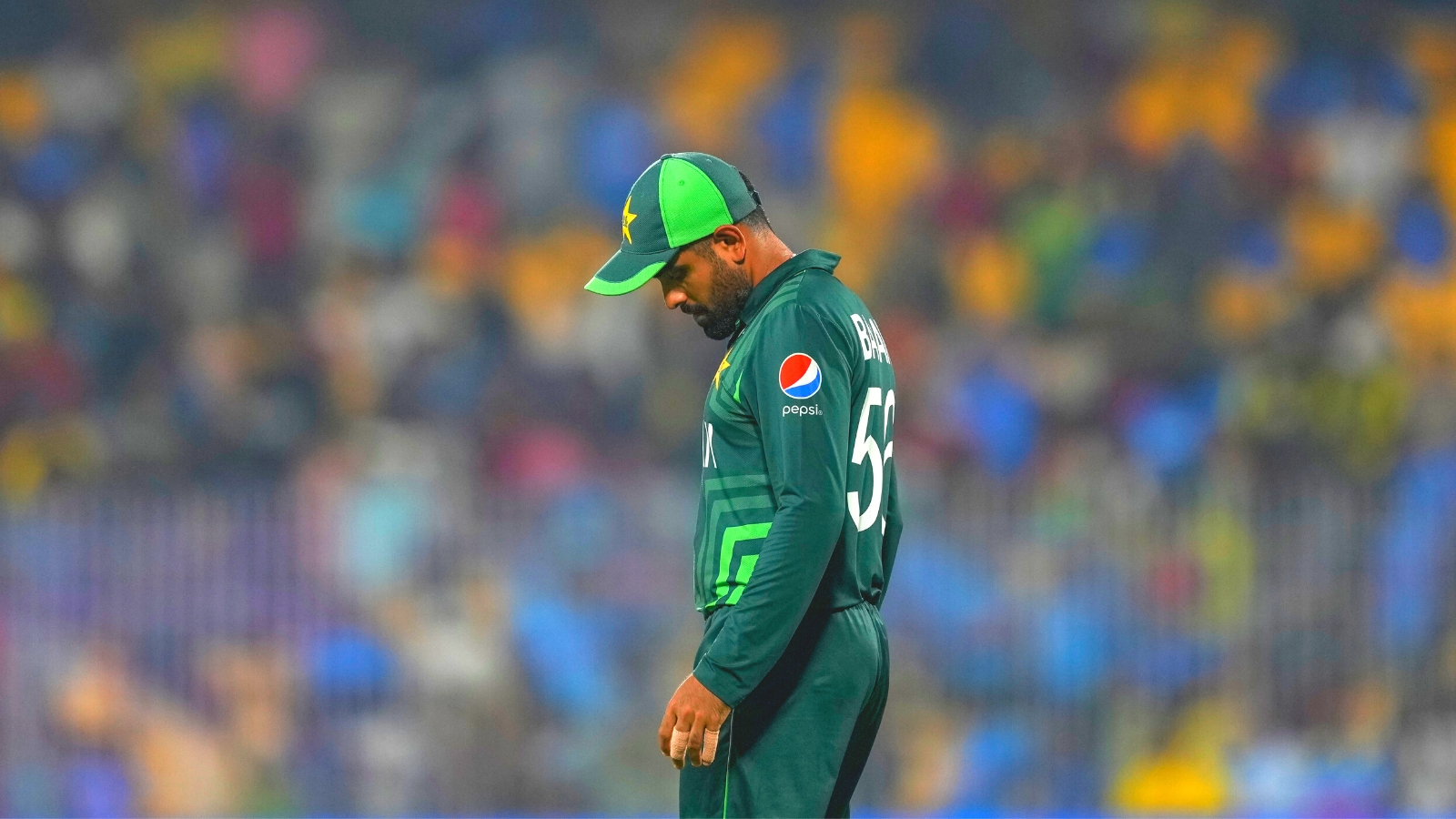
This development represents a potential “Momentum Shift” rather than merely a “Stabilization Move.” While Babar Azam possesses extensive experience and the capacity to adapt, the rapid pace of T20 cricket demands immediate and precise adjustments. The expert consensus points towards recalibrating his role, potentially restoring him to the No. 3 position to optimize Powerplay utilization. This strategic realignment is critical; it ensures that Pakistan leverages its premier batting asset to maximum effect, transforming current challenges into a structural advantage for deeper tournament progression in the T20 World Cup.