Calibrating Energy Stability: The Critical CNG Supply Suspension
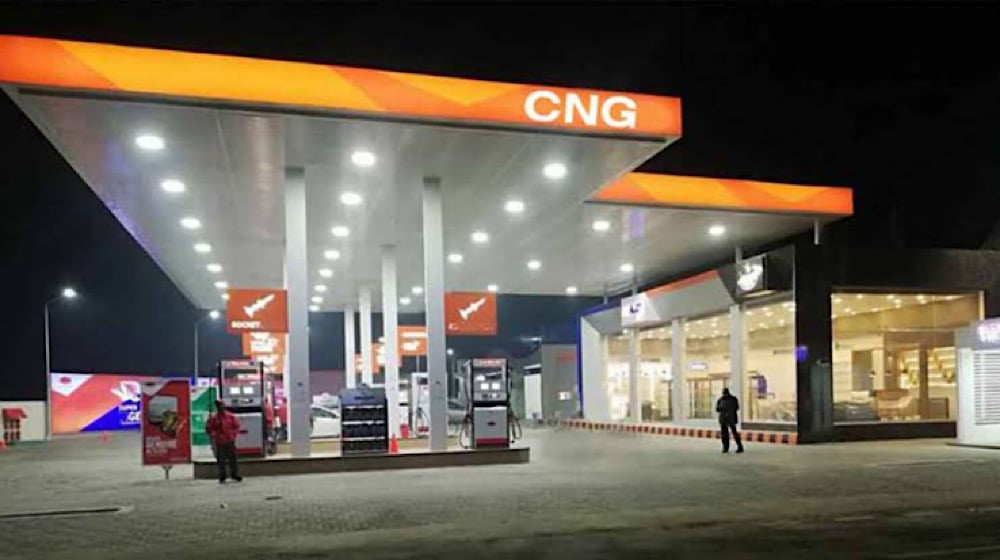
Pakistan’s energy infrastructure undergoes a strategic recalibration as a comprehensive CNG supply suspension impacts Sindh and Balochistan. This decisive measure, enacted during Ramadan, prioritizes an uninterrupted gas flow to domestic consumers. Consequently, compressed natural gas (CNG) stations across both provinces have ceased operations. This shift, while essential for household stability, introduces immediate economic and logistical challenges for daily commuters and commercial operations, intensifying existing financial pressures.
The Translation: Ensuring Domestic Energy Priority
Sui Southern Gas Company (SSGC) has systematically suspended gas supply to the CNG sector. This decision is a direct response to the imperative of guaranteeing consistent gas availability for domestic use throughout the holy month. Specifically, SSGC ensures gas provision to household and commercial consumers during the crucial Sehr and Iftar hours. Furthermore, Karachi observes daily load management measures, with gas supply suspended from 8 a.m. to 3 p.m. Such actions reflect a calibrated approach to manage national energy resources effectively.
The Socio-Economic Impact: Navigating Increased Burdens
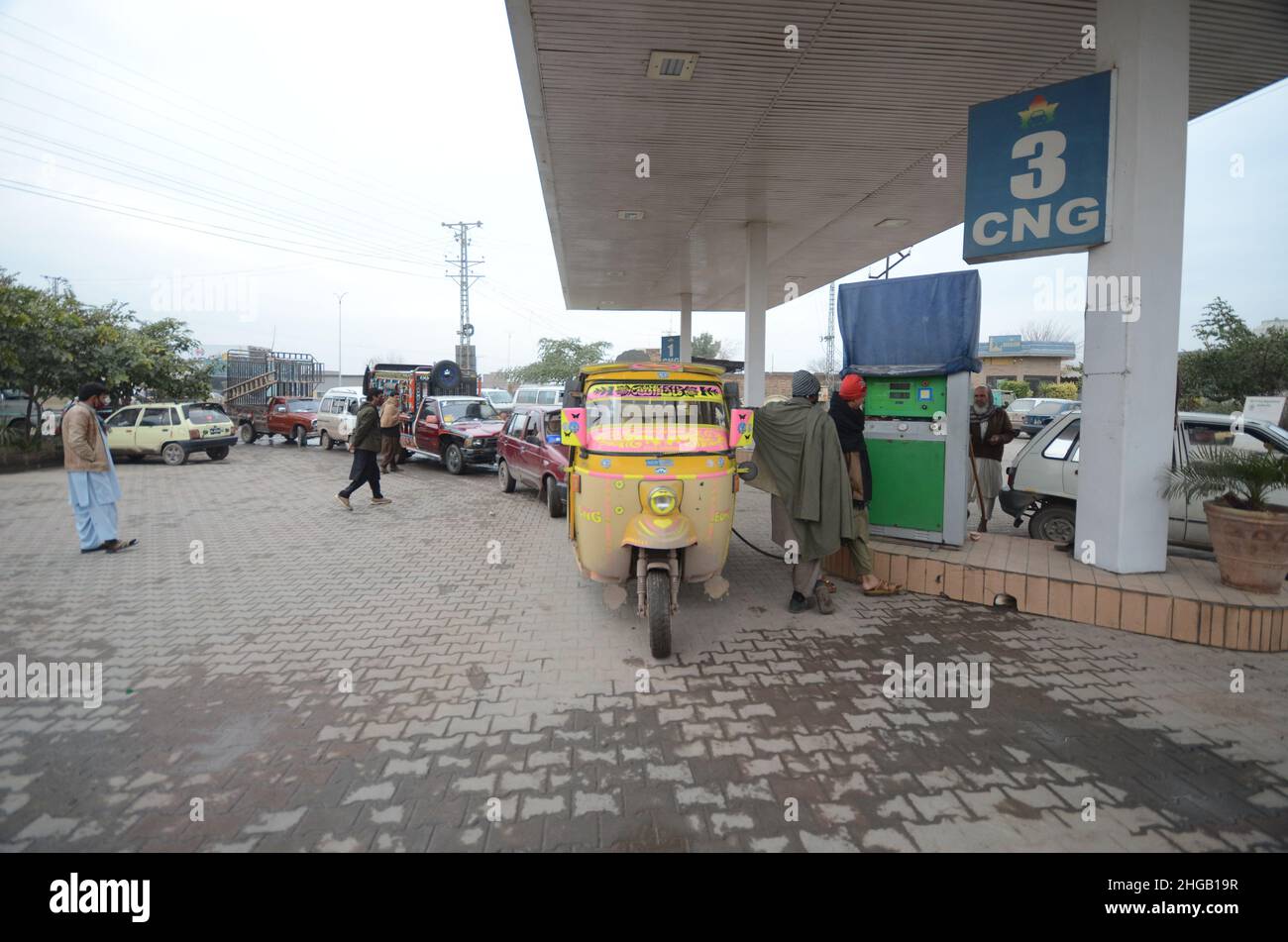
This CNG supply suspension immediately impacts the daily life of Pakistani citizens. For instance, families and professionals in both urban and rural areas now contend with elevated transportation costs. The All Pakistan Petroleum and CNG Association has voiced significant concerns regarding this policy. They highlight that recent increases in petrol and diesel prices, specifically Rs. 55, already exert substantial financial pressure on the public. Removing CNG as an alternative fuel option eliminates a critical economic buffer. Consequently, this structural change could further burden consumers, affecting household budgets and operational costs for businesses.

The Forward Path: A Stabilization Move with Future Implications
From a systemic perspective, this development represents a “Stabilization Move” rather than a “Momentum Shift.” The immediate goal is to stabilize critical domestic energy supply during a period of peak demand. However, this action underscores a larger, structural challenge within Pakistan’s energy matrix. A long-term strategic imperative demands diversified energy solutions and robust infrastructure investment. This is essential to prevent recurring CNG supply suspension scenarios. Therefore, while pragmatic in the short term, sustained national advancement requires a calibrated transition towards sustainable and reliable alternative fuel frameworks.