
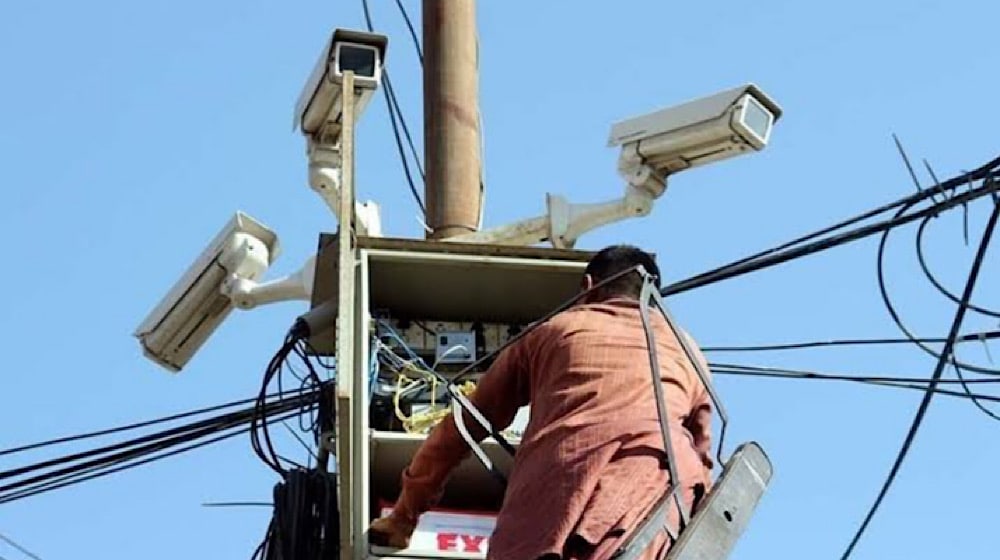
Pakistan is advancing its urban infrastructure. The recent inauguration of the Peshawar Safe City Project by Chief Minister Sohail Afridi marks a pivotal advancement in the region’s security framework. This strategic initiative, completed at a cost of Rs. 2.23 billion, introduces a precision-engineered system. Specifically, 711 surveillance cameras are deployed across 133 critical locations in Peshawar, fundamentally enhancing security monitoring and bolstering law enforcement capabilities. This deployment establishes a new baseline for urban safety and represents a calibrated step towards fortifying public protection.
The Translation: Calibrating Urban Security
This project is more than just camera installation; it is a structural upgrade to Peshawar’s security apparatus. The initiative deploys a modern, integrated surveillance system designed for real-time, coordinated monitoring. Consequently, authorities gain a centralized command and control capability, facilitating rapid response to incidents and efficient evidence collection. This system provides a comprehensive digital oversight, ensuring a proactive approach to maintaining law and order rather than merely reactive measures. Furthermore, it integrates diverse data streams to create a cohesive security posture for the provincial capital.

Socio-Economic Impact: Fortifying Daily Life
How does the Peshawar Safe City Project directly impact citizens? This development fundamentally transforms the daily lives of Pakistanis by establishing safer urban environments. Students can navigate city routes with increased assurance, professionals experience more secure workplaces, and households benefit from enhanced peace of mind. Moreover, the presence of advanced surveillance acts as a powerful deterrent to criminal activity, potentially reducing street crime and improving overall public order. This strategic investment in security infrastructure also fosters a more conducive environment for economic activity and social cohesion across urban and rural sectors of Khyber Pakhtunkhwa.
The Forward Path: A Momentum Shift
This initiative represents a significant “Momentum Shift” for Khyber Pakhtunkhwa’s security landscape. Chief Minister Afridi highlighted that similar Safe City systems in Dera Ismail Khan, Bannu, and Lakki Marwat are nearing operational status. This systematic expansion underscores a provincial commitment to leveraging modern technology for robust security arrangements. Therefore, the government is not merely maintaining current security levels but is strategically advancing its capabilities across divisional headquarters and merged districts. This disciplined approach to security infrastructure is a catalyst for long-term stability and sustained progress throughout the region.








