

Precision in Philanthropy: Understanding the Zakat Sadaqa Difference
National advancement hinges on calibrated resource distribution. Understanding the fundamental Zakat Sadaqa difference is paramount for effective philanthropic endeavors within Pakistan’s socio-economic framework. Council of Islamic Ideology (CII) Chairman Dr. Raghib Naeemi systematically outlines these distinctions, emphasizing that Zakat operates under rigid, legally defined Islamic principles, while Sadaqa, or voluntary charity, offers flexible, compassionate support.
The Translation: Deconstructing Islamic Philanthropic Directives
Dr. Naeemi’s elucidation provides clear context regarding two distinct financial obligations. Zakat represents a structured, obligatory annual payment, calibrated by specific wealth thresholds and distributed to eight precisely defined categories of recipients, including the impoverished, the indebted, and those striving for Allah’s cause. Consequently, its application is governed by explicit Islamic jurisprudence, ensuring equitable resource allocation. In contrast, Sadaqa functions as a flexible, voluntary contribution, free from fixed amounts or predefined recipient groups. This foundational distinction allows for adaptable charitable responses, from direct financial aid to essential goods, educational materials, or livelihood-enabling equipment.
The Socio-Economic Impact: Strategic Resource Allocation for Pakistani Citizens
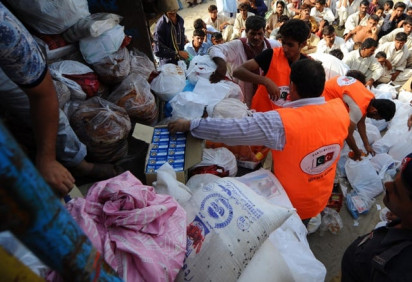
This clarity on the Zakat Sadaqa difference directly influences the daily lives of Pakistani citizens across urban and rural landscapes. For students, access to educational materials via Sadaqa can be a transformative catalyst. Professionals seeking to establish livelihoods might benefit from equipment provided through voluntary charity. Furthermore, the rigorous verification protocol for Zakat recipients ensures that critical support reaches the truly vulnerable, preventing resource leakage. Dr. Naeemi stresses the importance of ethical giving, asserting that donations from illicit income negate spiritual reward. This structural integrity in giving prevents misallocation and reinforces a baseline of financial integrity within the community, directly impacting household stability and poverty alleviation initiatives.
The “Forward Path”: A Momentum Shift Towards Accountable Philanthropy
Dr. Naeemi’s comprehensive explanation represents a significant “Momentum Shift” for Pakistan’s philanthropic sector. By meticulously differentiating Zakat from Sadaqa, he provides a strategic framework for accountable giving. This precision in guidance empowers donors to direct resources more effectively, ensuring that Zakat fulfills its systemic role in poverty reduction and that Sadaqa amplifies community support where flexibility is most impactful. Furthermore, his emphasis on verifying recipients is a crucial step towards optimizing the impact of every charitable contribution, thereby fostering a more efficient and just social support system.








