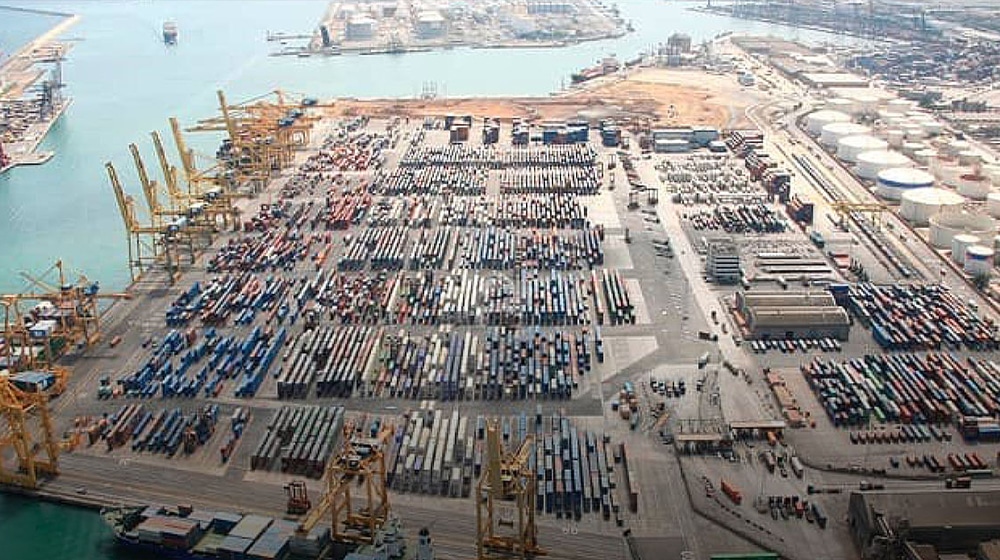
Pakistan’s strategic vision for national industrial growth has received a significant endorsement. Specifically, China’s Shandong Xinxu Group has expressed robust interest in the nation’s ambitious Sea to Steel Project at Port Qasim. Consequently, this critical development marks a calibrated step forward, as the firm has committed to submitting a comprehensive feasibility study for the proposed Integrated Maritime Industrial Complex. This initiative aims to modernize industrial operations and establish a self-reliant steel ecosystem, fundamentally enhancing Pakistan’s economic resilience.
The Translation: Deconstructing the Integrated Maritime Industrial Complex
This initiative, championed by Federal Minister for Maritime Affairs Junaid Anwar Chaudhry, signifies more than just a foreign investment. It represents a structural blueprint for upgrading Pakistan’s port infrastructure, shipbuilding capabilities, and critical recycling facilities. Furthermore, the establishment of an integrated steel mill forms a core component. The objective is clear: to transition from raw maritime assets to refined industrial output, ensuring a more robust domestic production capacity. This comprehensive strategy is designed to significantly reduce reliance on imported raw materials.

Revitalizing Core Infrastructure for the Sea to Steel Project
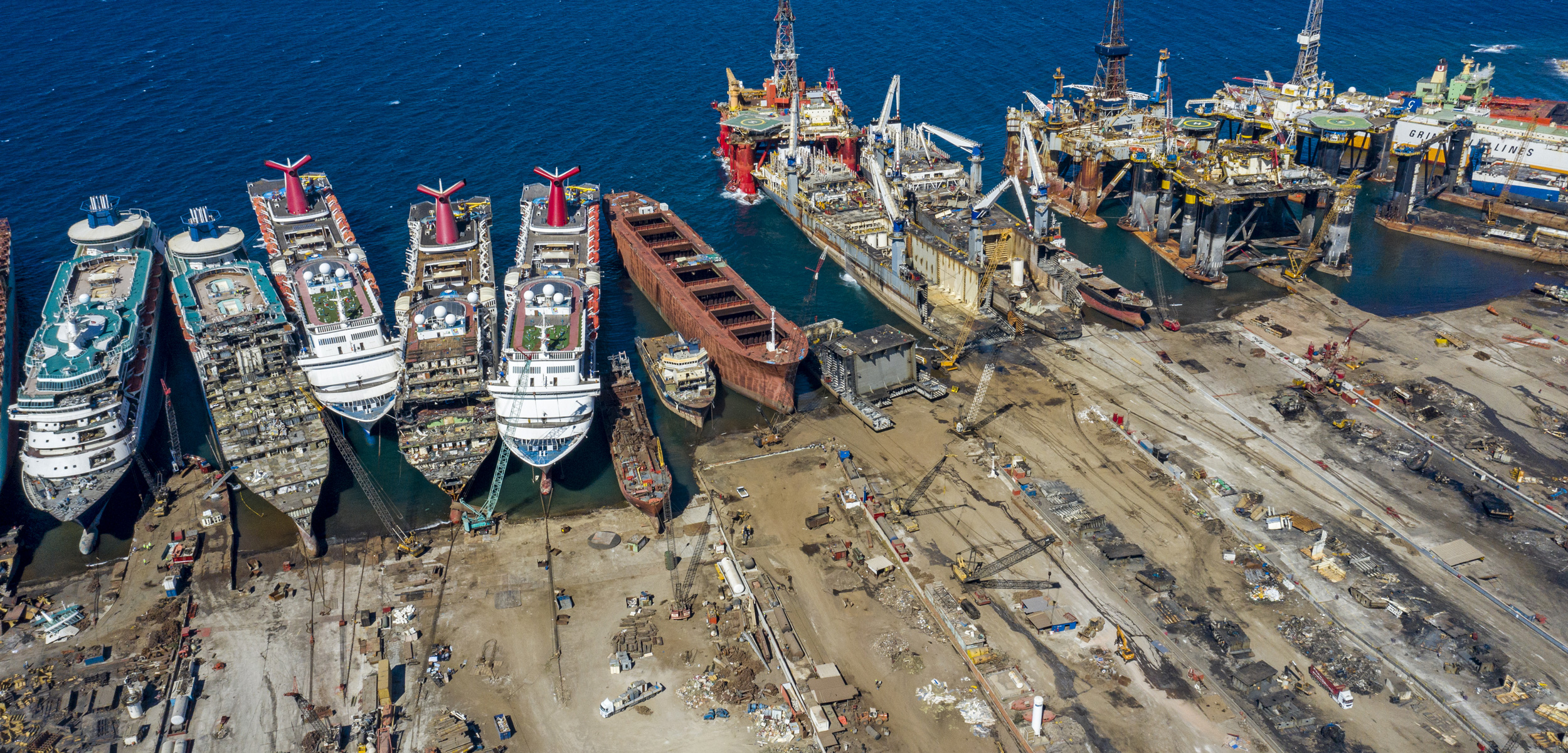
A pivotal element of this monumental initiative involves the revival and precise upgradation of the Iron Ore and Coal Berth jetty. This modernization effort will directly support advanced ship recycling and repair activities. Consequently, the scrap materials generated from these operations are projected to seamlessly feed into domestic steel production. This strategic move is expected to drastically cut the nation’s dependence on costly imported raw materials, thus bolstering economic sovereignty. This carefully planned cycle exemplifies circular economy principles within heavy industry.
Socio-Economic Impact: Precision for the Pakistani Citizen
How does this transformative initiative recalibrate the daily life of a Pakistani citizen? For students and aspiring engineers, it signifies a proliferation of advanced technical roles and specialized training opportunities within maritime and steel sectors. Urban professionals will see new avenues in logistics, project management, and specialized manufacturing. Moreover, households across both urban and rural Pakistan will benefit from the macroeconomic stabilization derived from reduced import bills and a stronger local industrial base. This project lays a structural foundation for future prosperity, impacting employment and overall national product growth.
Detailed Analysis to Catalyze Progress
The Chinese firm’s forthcoming feasibility study is not merely a formality; it is a critical diagnostic. It will encompass rigorous financial impact assessments, detailed structural and hydrographic analyses, and exhaustive risk evaluations. This precision planning ensures that the project’s implementation baseline is robust and strategically sound. Only after this comprehensive review, championed by federal authorities, will a final decision be taken. Such meticulous due diligence is essential for a project of this scale.

The Forward Path: A Momentum Shift for Pakistan
This development undeniably represents a Momentum Shift. If approved, this initiative has the potential to emerge as one of the country’s most significant recent maritime and industrial investments. Strategically, it will position Port Qasim not merely as a port, but as a central regional hub for heavy industry and logistics. This move signifies a clear acceleration towards industrial self-sufficiency and regional economic leadership. It is a decisive step towards anchoring Pakistan’s position on the global industrial map, ensuring long-term structural advantage.