

Advancing National Efficiency with CDA Digital Property System
Pakistan takes a strategic leap in e-governance as the Capital Development Authority (CDA) formally launches a comprehensive CDA Digital Property system. This initiative, aligned with the Prime Minister’s vision, marks a fundamental shift from traditional paper-based methods to a modern, structured digital workflow for property-related matters. Initially deployed for Sector D-12, this system is a baseline for enhanced transparency, accountability, and expedited service delivery across Islamabad, setting a new standard for public sector efficiency.
The Translation: Decoding the Digital Transformation
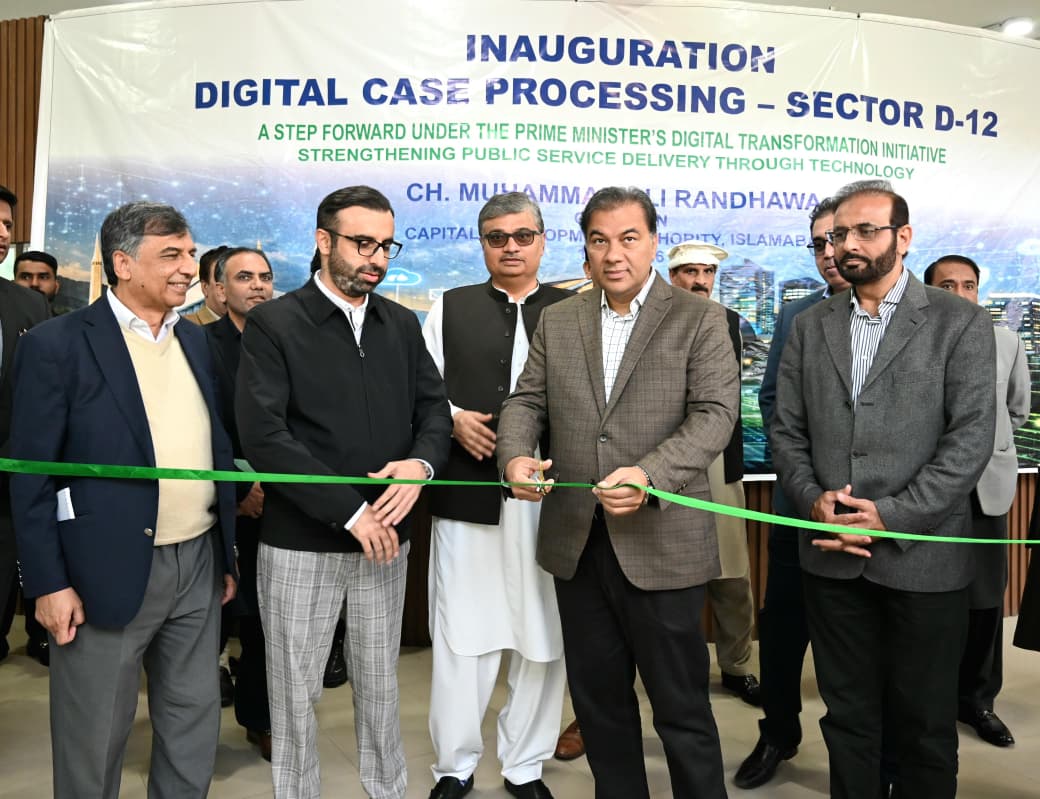
Previously, property transactions involved extensive manual paperwork and multi-stage physical approvals. Consequently, this often led to delays and a lack of real-time visibility. The new digital workflow transforms this by centralizing all applications submitted for Sector D-12 properties at the One Window Counter. Every step, from submission to final processing, now occurs electronically. Furthermore, this structural change allows applicants to track their case status online in real-time, providing unprecedented transparency and control over their applications.
The system’s core mechanism eliminates manual intervention wherever possible. This reduction in human contact is specifically designed to minimize processing delays and strengthen departmental accountability. All critical land records have undergone secure digitization, significantly reducing the risk of data loss. This also improves inter-departmental coordination, ensuring a seamless flow of information. The automation is projected to reduce human errors, thereby enhancing the precision of service delivery. Senior officers can now monitor case processing against defined timelines, enforcing a new level of operational rigor.
Socio-Economic Impact: Precision Services for Pakistani Citizens
This initiative profoundly impacts the daily lives of Pakistani citizens, particularly those in urban and rural areas engaging with property matters in Islamabad. For students and professionals, the transparent online tracking means less time spent physically visiting CDA offices, freeing up valuable hours for productive endeavors. Households will experience faster, more predictable property transactions, reducing anxiety and financial uncertainty often associated with manual processes. Moreover, the cashless payment system, developed in-house by the CDA, introduces a layer of financial security and traceability, guarding against corrupt practices.
Initially, this precision system targets Sector D-12. However, the calibrated expansion to other sectors will progressively extend these benefits across Islamabad. Citizens will gain access to all relevant information with a single click, democratizing access to property data. This systematic upgrade promises to dismantle bureaucratic hurdles, establishing a more efficient and trustworthy framework for property management. Ultimately, it elevates public service delivery standards and fosters a more responsive governmental structure.
The “Forward Path”: A Momentum Shift for E-Governance
This development undeniably represents a Momentum Shift for Pakistan’s e-governance landscape. The CDA’s commitment to transitioning from traditional filing to a modern digital workflow signals a proactive approach to systemic reform. Chairman Muhammad Ali Randhawa rightly emphasized its role in promoting e-governance, enhancing institutional performance, and eliminating corruption. Furthermore, the positive citizen feedback underscores the urgent demand for such efficient, transparent systems. This initiative acts as a powerful catalyst for broader digital transformation within public services, establishing a robust blueprint for future advancements across the nation.








