
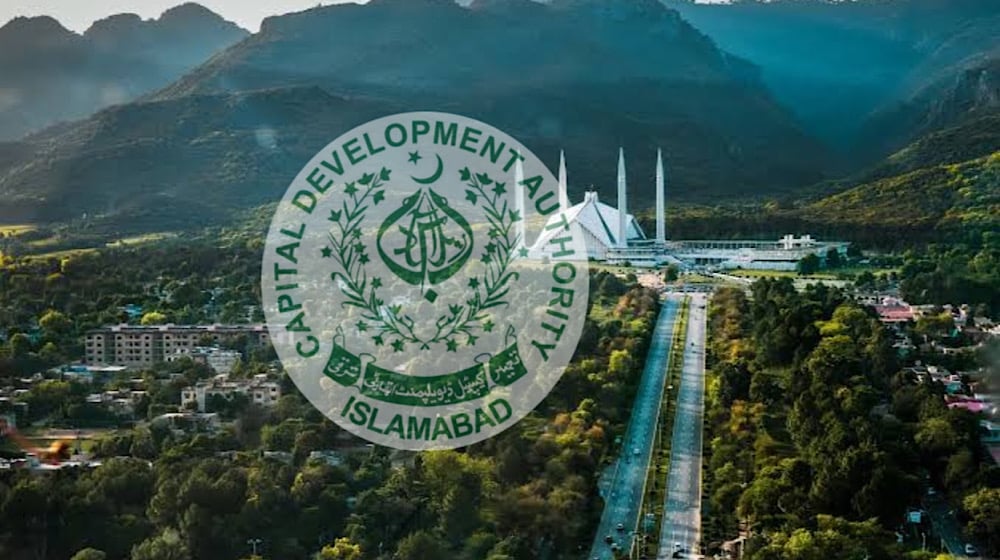
A strategic allocation of national resources underpins a significant cultural infrastructure project: the Capital Development Authority (CDA) has precisely allotted 8.33 acres of prime land at Shakarparian, Islamabad, for the forthcoming Islamabad Museum Project. This foundational move, transferring possession to the Department of Archaeology and Museums, initiates the establishment of a critical institution. Furthermore, the National Assembly Standing Committee on National Heritage and Culture has formally recommended the Ministry of Planning, Development and Special Initiatives to allocate and release essential funds for its construction within the Federal Budget for 2026–27. This calibrated effort is complemented by the unanimous approval of the National Institute of Folk and Traditional Heritage (Lok Virsa) (Amendment) Bill, 2025, signaling a comprehensive national commitment to cultural preservation and advancement.
The Translation: Deconstructing the Museum Initiative
The Capital Development Authority (CDA), as the urban planning and development entity for Islamabad, has executed a pivotal land allocation. Specifically, the transfer of 8.33 acres in the strategic Shakarparian area to the Department of Archaeology and Museums is not merely a bureaucratic action. Instead, it represents the baseline infrastructure provision for the creation of a dedicated National Museum of Pakistan within the federal capital. This structural move ensures a physical foundation for a facility designed to house and exhibit Pakistan’s rich historical and cultural artifacts.
During a recent meeting, the National Assembly Standing Committee on National Heritage and Culture, chaired by MNA Syeda Nosheen Iftikhar, emphasized the strategic importance of this project. Consequently, the Committee officially recommended that the Ministry of Planning, Development and Special Initiatives prioritize and secure funding for the museum’s construction. This financial endorsement, targeted for the 2026–27 Federal Budget, is crucial. It underscores the governmental recognition of the need for timely fiscal support to ensure the progression and timely completion of this national-level cultural asset.
Enhancing Cultural Governance: The Lok Virsa Amendment
In parallel, the Committee considered and unanimously approved the National Institute of Folk and Traditional Heritage (Lok Virsa) (Amendment) Bill, 2025. This legislative refinement signifies a commitment to modernizing the institutional framework governing Pakistan’s rich folk and traditional heritage. The approval means the bill, with its proposed amendments, is now recommended for passage by the National Assembly. This development will likely lead to enhanced operational efficiency and a more robust mandate for Lok Virsa in its mission to preserve and promote indigenous culture.
The Socio-Economic Impact: Cultivating National Identity
The establishment of the Islamabad Museum Project promises substantial socio-economic dividends for Pakistani citizens. For students across urban and rural areas, it will serve as an invaluable educational resource, offering direct exposure to the nation’s historical trajectory and cultural diversity. Furthermore, it creates new avenues for academic research and cultural exchange, enriching the intellectual landscape. Professionals in archaeology, history, and museology will find enhanced opportunities for career development and collaborative projects.
Economically, the museum is a catalyst for cultural tourism. Increased visitor traffic will generate revenue for local businesses, including hospitality, transportation, and artisan crafts, thereby creating jobs and stimulating local economies. For households, particularly in urban Islamabad, it provides a quality recreational and educational destination. In contrast, for citizens in rural Pakistan, the museum will represent a central repository of shared national heritage, fostering a stronger sense of collective identity and pride.
The Forward Path: A Strategic Cultural Investment
This development undeniably represents a Momentum Shift for Pakistan’s cultural infrastructure. The precision in land allotment and the strategic recommendation for future funding for the Islamabad Museum Project indicate a proactive governmental approach towards cultural preservation and promotion. Consequently, the unanimous approval of the Lok Virsa Bill further strengthens the institutional framework necessary for sustained progress in this sector.
This series of actions moves beyond mere maintenance; it signifies a calibrated investment in the nation’s identity and future intellectual capital. It establishes a structural commitment to showcasing Pakistan’s heritage on a national and international stage, positioning culture as a vital component of national advancement.









