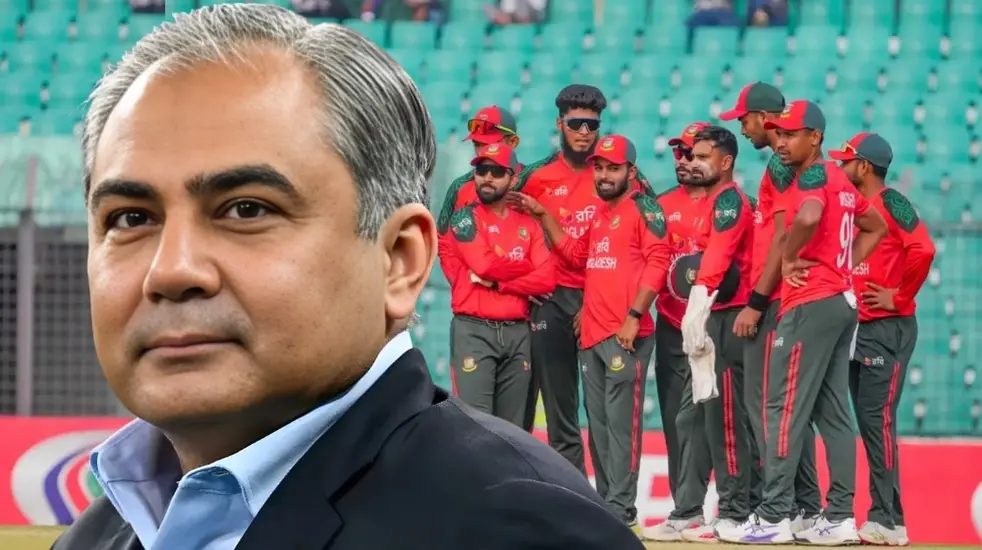
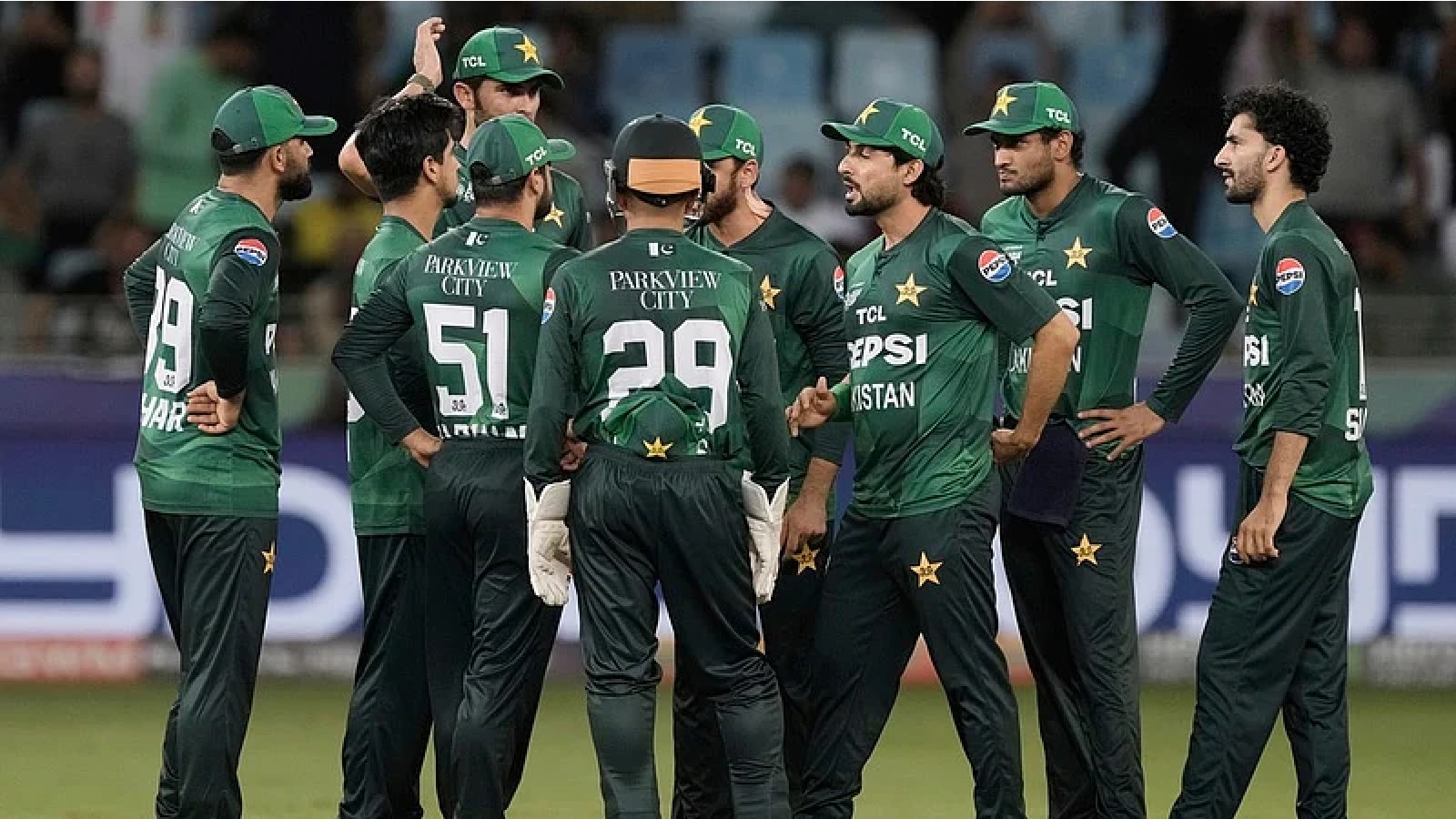
The strategic framework of international cricket faces a critical examination as Pakistan contemplates a potential boycott of the ICC T20 World Cup 2026. This decision, anticipated by February 2nd, precedes Pakistan’s inaugural match against the Netherlands. Given the Pakistan Cricket Board (PCB) Chairman Mohsin Naqvi’s structural critiques of ICC’s “double standards,” specifically regarding Bangladesh’s situation, the final determination rests at the government level, requiring Prime Minister Shehbaz Sharif’s precise approval. The crucial question remains: what realistic ICC sanctions Pakistan could face if it withdraws from the tournament, particularly concerning the high-stakes match against India?
The Translation: Deconstructing Cricket Governance Logic
Speculation intensified regarding severe penalties for a withdrawal. Indian media proposed ICC sanctions Pakistan might incur: halting bilateral series, revoking NOCs for PSL foreign players, and prohibiting Asia Cup participation. However, cricket governance reveals these claims are structurally unsound. Bilateral series are board-to-board, not ICC-imposed. Furthermore, NOCs originate from players’ home boards. Importantly, the Asian Cricket Council, not the ICC, governs Asia Cup. This clarifies ICC’s actual authority, limiting its scope within established operational parameters.
The Socio-Economic Impact: Navigating Uncertainty for Pakistan’s Cricket Ecosystem
A potential boycott and subsequent actions would create significant ripple effects across Pakistan’s cricket landscape. For young players aspiring to participate in international leagues or the PSL, the uncertainty surrounding NOCs could disrupt established career pathways. Moreover, local cricket academies and associated businesses reliant on the vibrancy of the sport might experience economic strain. Consequently, the morale of Pakistani households, deeply invested in national sporting success, could be impacted by a perceived isolation from global cricketing events. This situation demands a calibrated response to safeguard the future of Pakistan’s cricketing talent and the broader economic contributions of the sport.
Calibrating Realistic Consequences: What Can the ICC Truly Enforce?
If Pakistan declines to participate in an ICC event match, the consequences are primarily contained within the tournament’s operational parameters. The ICC’s enforcement levers are strategically limited to event-level actions. These include:
- Awarding a walkover or forfeit, directly impacting match results.
- Docking points, which would significantly hinder tournament progression.
- Imposing fines or disciplinary actions, consistent with established event playing conditions.
- Activating financial repercussions, directly tied to the agreed participation terms.
Historically, such scenarios have been managed with proportionate responses. The ICC’s precedents demonstrate a pattern of walkovers, forfeited points, or strategic replacements, rather than sweeping, extra-tournament sanctions. This operational baseline offers a clear view of the most probable outcomes.
Case Studies in Event-Level Adjustments: Historical Precedents
Analysis of past withdrawals from ICC tournaments reveals a consistent application of event-specific resolutions:
- 1996 ODI World Cup: Australia and West Indies refused to play in Sri Lanka due to security concerns; Sri Lanka received walkovers and associated points.
- 2003 ODI World Cup: England bypassed Zimbabwe for political reasons, while New Zealand declined to travel to Kenya citing security. The ICC awarded walkovers in both instances.
- 2009 T20 World Cup: Zimbabwe withdrew and was replaced by Scotland; Zimbabwe reportedly still received its participation fee, highlighting a focused resolution.
- 2016 U-19 World Cup: Australia withdrew from Bangladesh on security grounds; Ireland subsequently replaced Australia in the tournament.
- 2025 Champions Trophy: India’s refusal to travel to Pakistan resulted in matches involving the two nations being relocated to a neutral venue, an outcome facilitated by a cycle agreement.
These historical data points underscore that direct participation terms, not broader structural bans, govern such disputes. Consequently, the claim of extensive ICC sanctions Pakistan faces for a boycott lacks historical and legal precedent within the ICC’s established operational framework.
The Forward Path: A Strategic Stabilization Move
This development represents a Stabilization Move for Pakistan’s cricket diplomacy. The PCB’s stance, guided by governmental directives, aims to assert national interests within the complex architecture of international sports. While the prospect of a boycott introduces operational challenges, understanding the precise limitations of ICC’s power allows for a more informed and strategic approach. Pakistan’s leadership is calibrating its position, ensuring that any decision is anchored in a comprehensive assessment of both immediate tournament implications and long-term national cricketing objectives. This is not merely a reaction but a strategic assertion of sovereignty within global sporting frameworks.