
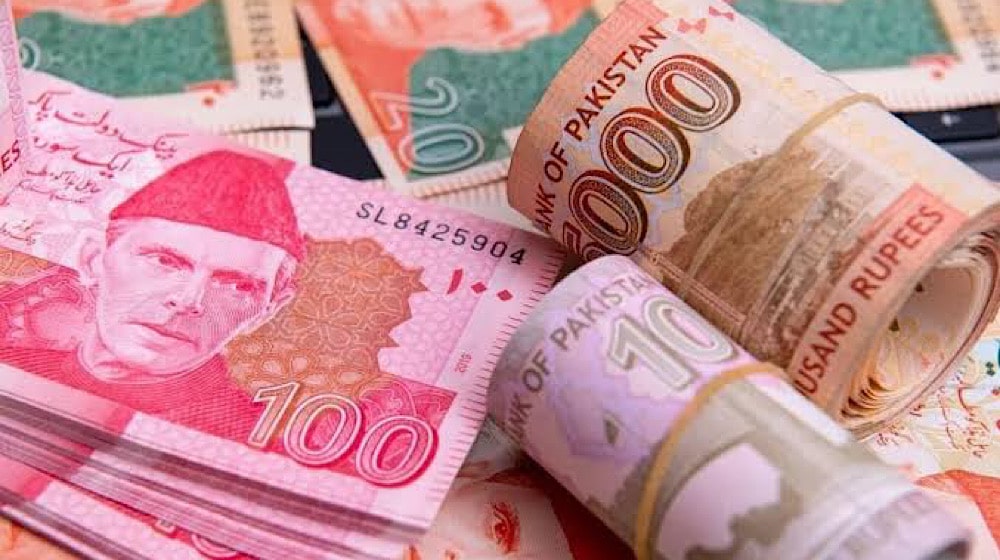
Pakistan’s Federal Cabinet is meticulously examining proposed changes to the nation’s new currency notes, including the introduction of polymer-substrate banknotes and the potential discontinuation of the Rs. 10 denomination. This strategic review, led by Prime Minister Shehbaz Sharif, aims to enhance security and streamline monetary operations. Consequently, the cabinet has referred the comprehensive proposal to a specialized committee for an in-depth analysis of design, material, and features, ensuring optimal national financial integrity and public trust.
The Translation: Strategic Modernization of Pakistan’s New Currency Notes
The State Bank of Pakistan (SBP) has initiated a significant upgrade to its banknote series, a necessary evolution given the last major revision in 2005. This initiative is a direct response to two decades of substantial advancements in security and printing technologies. The core objective is to bolster anti-counterfeiting measures and facilitate easier public identification of genuine notes, thereby safeguarding Pakistan’s economic framework.
Furthermore, the proposed new currency notes, meticulously designed by De La Rue International Limited (UK), integrate advanced security elements. These include wider windowed security threads, optically variable magnetic ink, sophisticated holographic effects, and enhanced watermarks. Precision-engineered tactile marks and large numerals are also incorporated, specifically catering to visually impaired users, ensuring universal accessibility and utility.

Calibrated Scrutiny Over Polymer and Denomination Shifts
The cabinet’s deliberation centered on critical questions regarding the proposed polymer-substrate banknotes. Ministers explicitly stressed the imperative for rigorous diligence to confirm the polymer material’s safety for human interaction, particularly considering the potential exposure to young children. Simultaneously, a detailed economic comparison was requested for the proposal to replace the Rs. 10 banknote with a coin, scrutinizing production costs and lifespan discrepancies.
The SBP’s rationale for discontinuing the Rs. 10 banknote is purely data-driven: its printing cost equals 25% of its face value, coupled with a lifespan of less than nine months. Consequently, the Rs. 20 note would become the lowest denomination banknote. Additionally, a calibrated trial involves issuing the Rs. 1,000 note on polymer substrate to assess its durability, climatic suitability, and public acceptance before wider implementation.
The Socio-Economic Impact: Re-calibrating Daily Financial Interactions
This initiative directly impacts the daily financial landscape for every Pakistani citizen. For instance, the transition to potentially more durable polymer notes could reduce the frequency of damaged currency, benefiting both urban and rural households by preserving the value of their cash. Furthermore, enhanced security features aim to curb counterfeiting, thereby protecting citizens from financial losses and strengthening trust in the national currency system, a baseline for economic stability.
The proposed discontinuation of the Rs. 10 banknote and its replacement with a coin or elevating the Rs. 20 note as the lowest denomination represents a significant adjustment for small transactions. Students and daily wage earners, who frequently use lower denominations, will experience a shift in their everyday purchasing habits. This move demands public education to ensure a seamless transition and prevent minor disruptions in local commerce, fostering systemic efficiency.
The “Forward Path”: A Stabilization Move Towards Systemic Optimization
This development represents a Stabilization Move rather than an immediate momentum shift. The cabinet’s approach signifies a disciplined commitment to systemic efficiency and fiscal prudence. By meticulously scrutinizing material safety and cost-benefit analyses, Pakistan is establishing robust baselines for its monetary future. This cautious yet forward-thinking strategy ensures that any modernization is calibrated for long-term stability and citizen welfare, reinforcing the structural integrity of the national financial system as a catalyst for future growth.








