
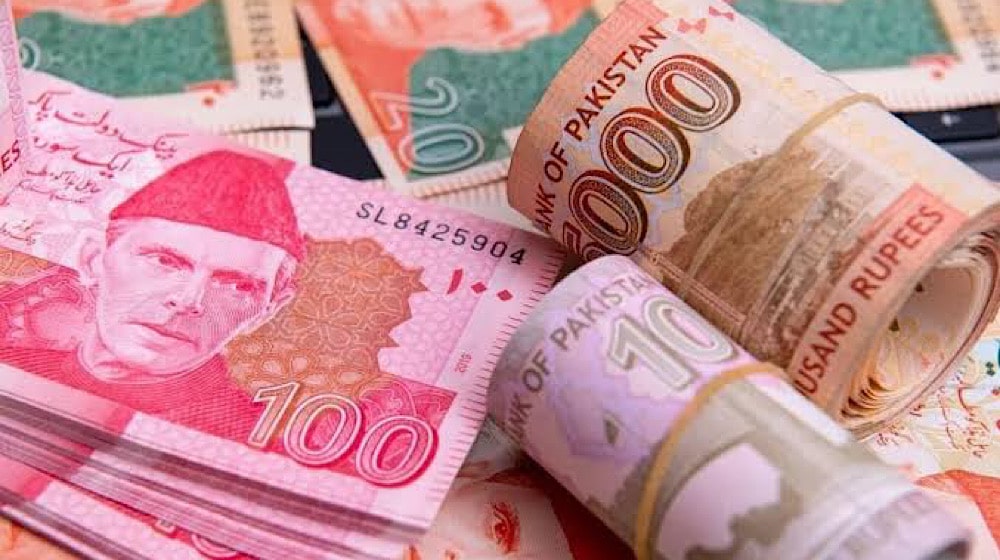
Optimizing National Currency: A Precision Approach to New Currency Notes
The Federal Cabinet of Pakistan has initiated a structured inquiry into the proposed introduction of new currency notes, specifically polymer-substrate banknotes and the potential discontinuation of the Rs. 10 note. This proactive measure reflects a commitment to calibrated financial modernization, ensuring both public safety and systemic efficiency. Furthermore, ministers have underscored the imperative for exhaustive analysis, particularly concerning the safety profile of polymer materials and the economic viability of replacing lower denominations with coinage.

The Translation: Deconstructing Currency Modernization
The core of this cabinet discussion centers on transitioning Pakistan’s physical currency infrastructure. The term “polymer-substrate banknotes” refers to currency manufactured from a polymer (plastic) film rather than traditional paper. This material offers enhanced durability and incorporates advanced security features. Consequently, a key consideration involves children’s potential exposure to these notes and any associated health implications. Simultaneously, the debate around the Rs. 10 note’s replacement with a coin stems from an operational efficiency perspective. The State Bank of Pakistan (SBP) reports a substantial printing cost relative to its face value and a lifespan under nine months, necessitating a cost-benefit analysis. Ultimately, the cabinet’s decision to refer this matter to an expert committee signifies a strategic, data-driven approach to national financial policy.

The Socio-Economic Impact: Calibrating Daily Financial Interactions
This proposed currency overhaul directly impacts the daily financial interactions of every Pakistani citizen. For instance, the transition to more durable polymer notes could reduce the frequency of damaged currency, streamlining transactions for vendors and consumers in urban centers and rural markets. Moreover, enhanced anti-counterfeiting measures embedded in the new currency notes bolster economic stability, safeguarding the earnings of professionals and the savings of households. The potential discontinuation of the Rs. 10 note and its replacement with a coin primarily affects small transactions. While coins offer superior longevity, their adoption requires public education to ensure smooth integration into daily commerce. Students and small business owners, in particular, will adapt to these structural shifts in transactional mechanisms.

Driving Innovation: New Security Features and Design
The impetus for these new currency notes stems from the significant advancements in security and printing technology since the current series was introduced in 2005. The SBP Board has strategically recommended a new banknote series specifically to fortify anti-counterfeiting defenses and simplify public identification of genuine notes. Consequently, the design, developed by De La Rue International Limited (UK), incorporates cutting-edge security elements.
- Wider Windowed Security Threads: These visual features are difficult to counterfeit.
- Optically Variable Magnetic Ink: Ink that changes color when viewed from different angles.
- Holographic Effects: Three-dimensional images that provide another layer of security.
- Enhanced Watermarks: Complex hidden images visible when held to light.
- Tactile Marks and Large Numerals: Features designed to assist visually impaired users.
The new series also features a refreshed portrait of Quaid-e-Azam Muhammad Ali Jinnah, obtained from the National Archives, integrated with intricate Islamic geometric and floral motifs, representing both national heritage and advanced design principles.

The Forward Path: Momentum Shift or Stabilization Move?
This development represents a critical Momentum Shift in Pakistan’s financial infrastructure. By proactively evaluating and integrating advanced currency technologies, the nation signals a commitment to structural integrity and forward-thinking economic management. The strategic trial of the Rs. 1,000 polymer note will provide invaluable baseline data on durability, climatic suitability, and public acceptance, informing subsequent broader implementations. This precise, evidence-based approach is a catalyst for enhanced financial security and efficiency, aligning Pakistan’s monetary system with global best practices and ensuring sustained national advancement. It’s a clear move towards a more resilient and modern financial ecosystem, rather than mere maintenance.









