
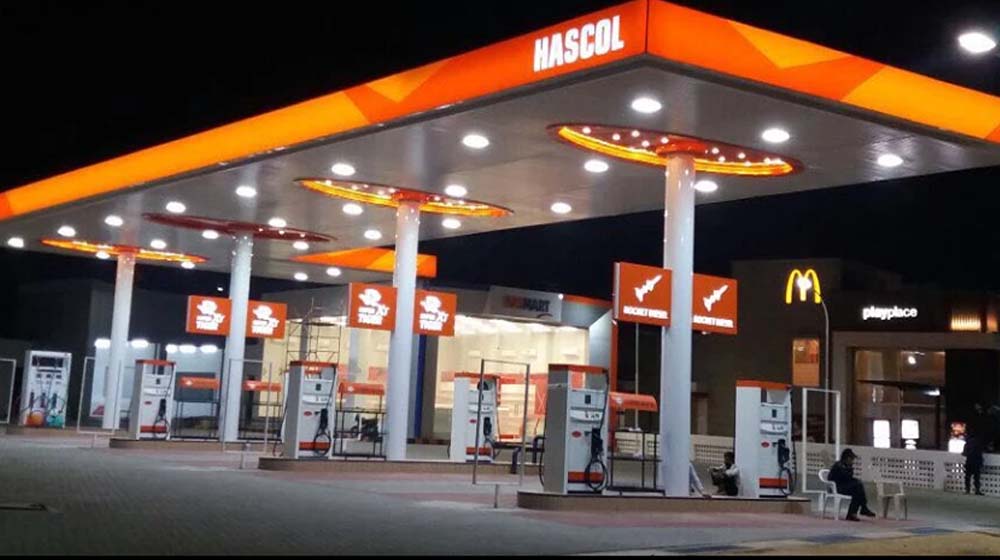
The Federation of Pakistan Chambers of Commerce & Industry (FPCCI) has critically assessed the escalating petroleum prices, advocating for an immediate petrol tax cancellation of Rs. 161 per litre. This strategic move aims to avert an impending economic collapse, offering vital relief to Pakistan’s industrial sector. Such unprecedented fuel cost hikes threaten severe de-industrialization, supply chain paralysis, and hyperinflation across the nation.
The Translation: Urgency for Petrol Tax Cancellation Amidst Fuel Price Surge
Understanding the Petroleum Development Levy (PDL)
The FPCCI’s urgent appeal directly addresses the impact of the Rs. 161 per litre Petroleum Development Levy (PDL). This levy represents a government-imposed tax on fuel, significantly inflating consumer and industrial costs. Historically, such levies are designed to generate revenue; however, the current magnitude has become an unsustainable burden.
Furthermore, petrol prices have increased by Rs. 137.23, reaching an all-time high of Rs. 458.40 per litre—a 42.7% surge. High-speed diesel (HSD) has also jumped by Rs. 184.49 to Rs. 520.35 per litre, marking a 55% rise. Consequently, the cumulative fuel price increase stands at a staggering 77% within a single month, accounting for earlier adjustments in March 2026. This data underscores the calibrated pressure exerted on economic viability.

Socio-Economic Impact: Daily Life Under Pressure
Challenges for Households, Professionals, and Industries
The escalating fuel prices fundamentally alter the daily life of every Pakistani citizen. Households face inflated costs for essential food items, medicines, and transportation due to cascading logistics expenses. Consequently, the purchasing power of urban and rural families diminishes significantly.
Professionals and students relying on public or private transport experience increased commuting costs, directly impacting disposable income. For instance, the 55% surge in diesel prices directly cripples manufacturing sectors. This erosion of export competitiveness compels international buyers to seek regional competitors, threatening local job stability.
- Agriculture: During harvest season, the financial viability of operating tractors, tube wells, and harvesters becomes precarious, posing a direct threat to national food security.
- Small and Medium-sized Enterprises (SMEs): These critical economic contributors face immediate liquidity crises, as operational costs could double overnight.
- Supply Chains: The rise in diesel prices inflates costs across logistics, affecting everything from raw materials to finished goods.

The Forward Path: Momentum Shift or Stabilization Move?
This development primarily represents a Stabilization Move. While the FPCCI’s demand for petrol tax cancellation seeks to mitigate immediate economic freefall, the underlying issue points to a need for structural energy policy reform. Relying solely on a levy reduction is a reactive measure rather than a proactive systemic advancement.
A genuine momentum shift requires transparent dialogue, diversified energy strategies, and robust consultation mechanisms between government and industry. Without these, Pakistan risks recurrent socio-economic instability, mass bankruptcies, and unprecedented job losses. Therefore, an integrated, long-term strategy is essential for sustainable progress.









