

Strategic infrastructure development directly impacts cultural heritage accessibility and economic growth. The Punjab government has strategically approved a new Jahangir Tomb Bridge, a critical structural enhancement designed to establish direct connectivity to the historic Mughal Emperor Jahangir’s Tomb. This calibrated decision, a core component of the extensive Lahore Heritage Areas Revival (LAHAR) project, fundamentally aims to improve access to Lahore’s celebrated historical sites. Consequently, this initiative is poised to significantly catalyze heritage tourism and streamline visitor experiences.
The Translation: Calibrated Restoration for Cultural Assets
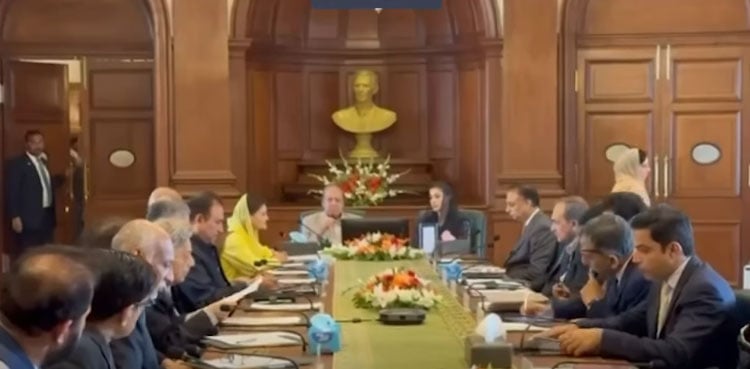
The approval for the Jahangir Tomb Bridge was granted during a pivotal meeting overseeing the LAHAR project, co-chaired by key political figures. This comprehensive initiative extends beyond single sites, encompassing a structural review of restoration progress across multiple provincial capital landmarks. Furthermore, the meeting meticulously reviewed ongoing restoration efforts at the tombs of Nur Jahan and Asif Khan. A significant resolution involved the precise restoration of all 26 monuments within the 40-acre Lahore Fort complex to their original architectural integrity. This holistic approach ensures a systematic uplift of Pakistan’s rich historical narrative.
Socio-Economic Impact: Broadening Access and Economic Horizons
How does this change the daily life of a Pakistani citizen? The construction of improved infrastructure, alongside broader heritage restoration, directly translates into tangible socio-economic benefits. For students, access to these revitalized historical sites, including the Tomb of Jahangir, becomes more direct, fostering a deeper connection to national heritage and facilitating educational visits. Professionals in the tourism sector, conversely, will experience increased opportunities due to the anticipated surge in local and international visitors. Households in urban and rural Pakistan will benefit from enhanced local economies, driven by tourism-related services and infrastructure development. Essentially, these projects elevate cultural pride while creating new economic avenues.

The Forward Path: A Momentum Shift for Heritage Preservation
This development undeniably represents a Momentum Shift for Pakistan’s cultural heritage management. The strategic approval of the Jahangir Tomb Bridge signifies a proactive, rather than reactive, approach to preserving and showcasing national treasures. Furthermore, the proposal to establish a dedicated wing within the tourism department specifically for historical building maintenance indicates a structural commitment to long-term preservation. The plan to convert Kharaak Singh Haveli and old servant quarters into a heritage hotel offers a viable model for sustainable tourism, generating revenue that can be reinvested into further conservation efforts. This integrated strategy establishes a baseline for future heritage development, positioning Pakistan as a leader in cultural preservation.
Strategic Tourism Development: Leveraging Historic Assets
The proposed dedicated tourism department wing and the conversion of heritage properties into hotels exemplify a strategic vision for leveraging Pakistan’s historic assets. This move is designed to not only attract tourists but also to create specialized employment opportunities and foster local entrepreneurship. By integrating historical preservation with modern tourism infrastructure, the government is creating a sustainable ecosystem for cultural engagement and economic prosperity.









