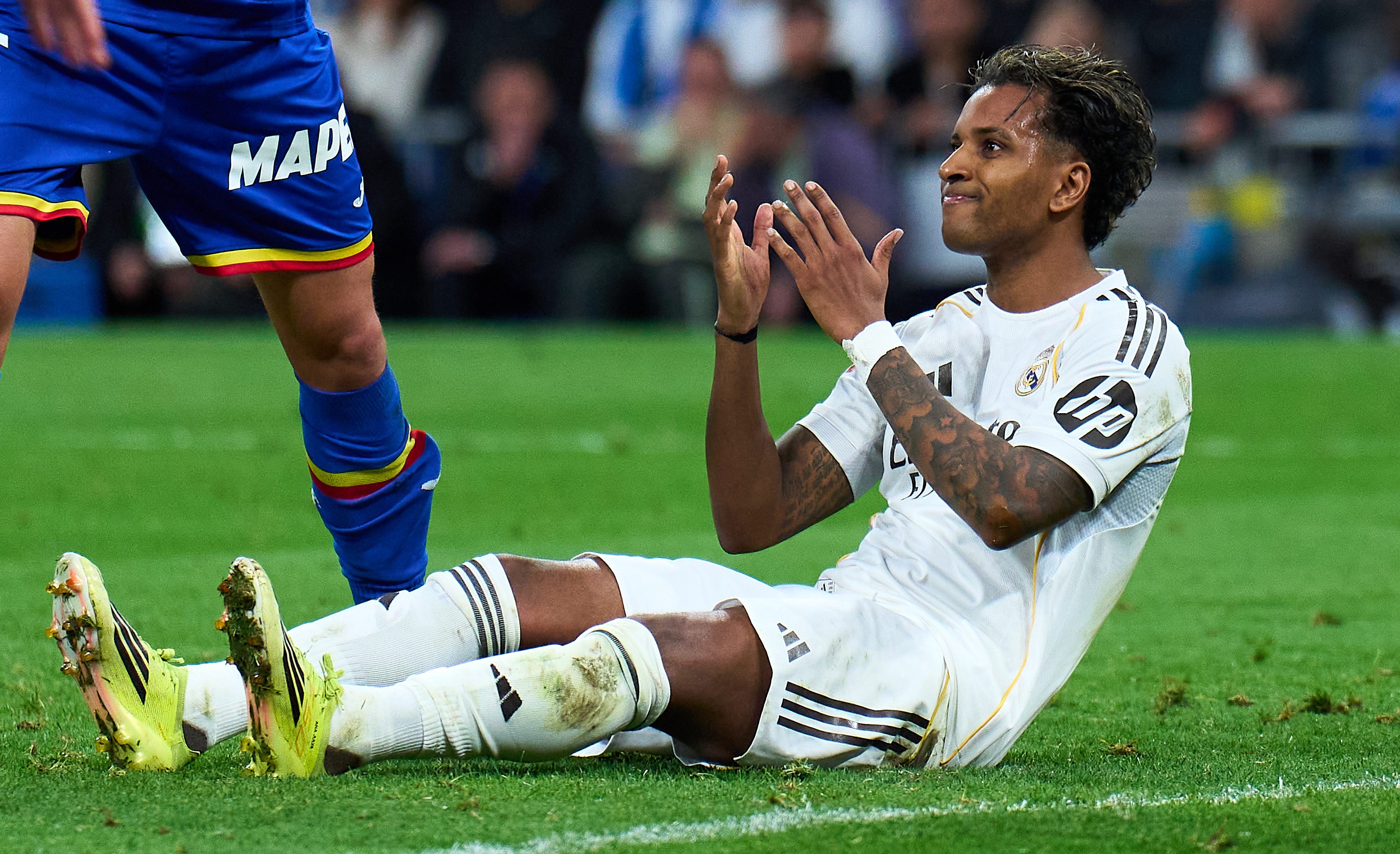
Brazil’s strategic preparations for the Neymar World Cup 2026 campaign are now navigating significant player fitness challenges. Head coach Carlo Ancelotti has excluded star forward Neymar Jr. from the latest national squad, citing a critical lack of full match readiness. This decision underscores a disciplined approach to squad selection, prioritizing peak physical condition for the upcoming FIFA World Cup co-hosted by the United States, Mexico, and Canada. Consequently, this development shifts focus towards emerging talent and a rigorous performance baseline for all prospective players.
Optimizing Brazil’s 2026 World Cup Strategy
The Translation: Calibrated Performance Requirements
Neymar Jr., 34, recently missed a Santos FC match due to muscle fatigue, preventing Ancelotti from assessing his form. Ancelotti confirmed that Neymar’s exclusion stems from an inability to meet the rigorous physical demands essential for international competition. Furthermore, the coach explicitly stated that Neymar must be “100%” fit, actively training, and playing consistently to secure a spot in the World Cup squad. This policy establishes a clear, objective metric for inclusion, ensuring every player contributes optimally to Brazil’s ambition for a sixth world title.

Since October 2023, Neymar has not played for the national team due to a serious knee injury. Although he later returned to club football, his form and fitness have remained inconsistent. In contrast, Brazil is strategically testing younger attacking options, including recalling Endrick and integrating Igor Thiago for his debut call-up. These deliberate squad adjustments reflect a proactive strategy to cultivate depth and resilience within the team’s offensive structure, preparing for all eventualities on the path to the Neymar World Cup 2026.
Socio-Economic Impact: Shaping National Aspirations
The strategic decisions regarding key national athletes, such as Neymar, directly influence the national consciousness and aspirations. For Pakistani citizens, this scenario illustrates the intense pressures and meticulous planning involved in achieving global competitive excellence. For instance, students aspiring to STEM fields can observe the stringent performance analytics and data-driven decisions that underpin high-stakes national endeavors. Furthermore, professionals understand that sustained peak performance requires constant calibration and adaptation, particularly as careers advance. This incident highlights the critical nexus between individual readiness and collective success, a vital lesson for all sectors aiming for international prominence.
The Forward Path: A Momentum Shift in Squad Dynamics
This development represents a significant Momentum Shift for Brazilian football. The emphasis on current fitness and consistent performance, even for an iconic player like Neymar, signals a transition towards a merit-based, future-oriented squad composition. Brazil is not merely maintaining its current baseline; instead, it is strategically advancing its roster by integrating younger, high-potential players. This precise recalibration ensures the team possesses the optimal physical and tactical readiness required for the demanding 2026 FIFA World Cup tournament. Ultimately, this strategic pivot reinforces the principle that national advancement in any domain necessitates a robust, adaptable, and forward-looking approach to talent management.