

A structural shift is underway in Pakistan’s educational landscape, marked by a significant surge in Pakistan education costs for the upcoming academic year, commencing April 1. Families now face an escalating financial burden, evidenced by steep price increases across essential school provisions, including textbooks, stationery, uniforms, and transportation. This calibrated rise demands strategic financial planning from households nationwide. Consequently, understanding the underlying economic pressures and their systemic impact becomes crucial for navigating these new challenges.
Analyzing the Catalysts: Why Pakistan Education Costs Are Rising
The recent escalation in educational expenditures is not arbitrary; rather, it is a direct consequence of several economic factors. Booksellers, for instance, have increased textbook prices for students from Class 1 to Matric by Rs. 100 to Rs. 500 per grade. This strategic adjustment is primarily attributed to the soaring costs of imported paper, a baseline material for educational publishing. Furthermore, stationery providers have implemented comparable price hikes for notebooks, registers, and drawing copies.

Consider the impact on specialized items: practical notebooks for Matric students now range between Rs. 1,500 and Rs. 2,500. Conversely, ordinary notebooks are priced at Rs. 150, medium-quality versions at Rs. 250, and high-quality options up to Rs. 500. Additionally, the cost of colors and markers has surged by nearly 70 percent. Geometry boxes are now sold between Rs. 500 and Rs. 1,000, while calculators for Matric students command prices from Rs. 3,000 to Rs. 5,000. These increases reflect broader inflationary pressures within the supply chain.
The Translation: What This Means for Everyday Pakistani Households
For the average Pakistani family, these rising Pakistan education costs translate into a substantial increase in annual educational budgets. Where a family previously allocated a certain sum, they must now re-calibrate their spending. For example, a basic school uniform now costs between Rs. 3,500 and Rs. 5,000. Similarly, shoes are priced from Rs. 2,500 to Rs. 4,000, and school bags range from Rs. 2,000 to Rs. 7,000. These are not minor adjustments; they represent significant expenditures for multiple children.

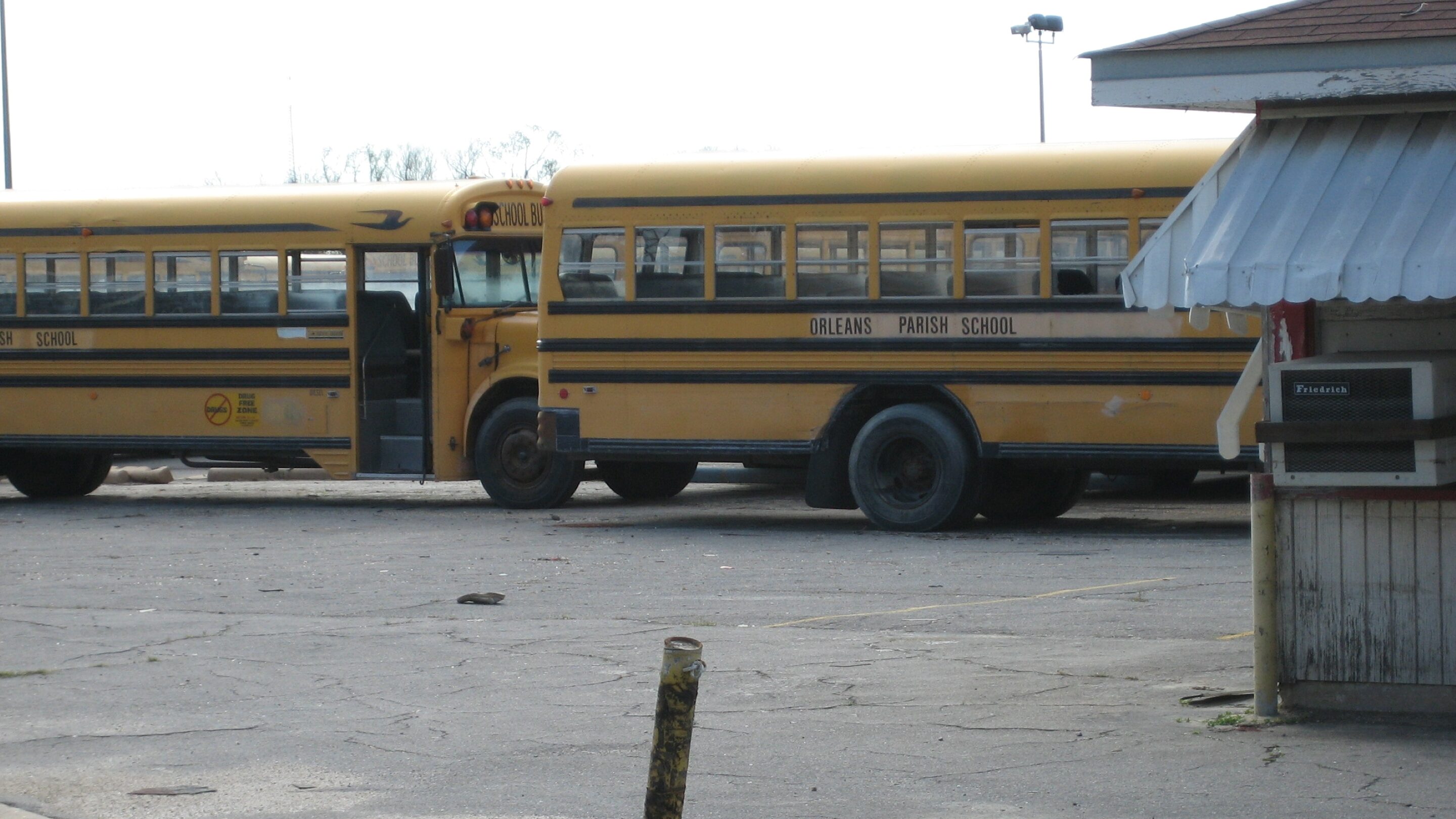
Crucially, school transport charges have also witnessed a drastic increase. Transporters have elevated pick-and-drop fees by 100 percent to 150 percent, directly responding to recent fuel price hikes. Consequently, a service that once cost Rs. 3,000 now requires between Rs. 6,500 and Rs. 7,000 per month. This adds another layer of financial strain, particularly for families residing further from educational institutions. Furthermore, many private schools are mandating parents purchase uniforms and books from specific vendors, which further exacerbates the financial strain.
The Socio-Economic Impact: Daily Life and Future Planning
These escalating costs profoundly affect the daily life of Pakistani citizens, particularly students and professionals. For urban and rural households alike, the increased financial demand directly impacts disposable income, potentially leading to reduced spending in other essential areas. Students may face barriers to accessing quality materials, thereby impacting their academic performance. Furthermore, parents, especially those with multiple children, must make difficult choices, sometimes compromising on nutrition or healthcare to afford education.

The systemic effect extends to future planning, as families divert savings or take on debt to cover educational expenses. This can impede long-term financial stability and entrepreneurial initiatives. The accessibility of quality education, a fundamental driver of national advancement, is directly challenged by these calibrated price increases. Thus, these developments necessitate a re-evaluation of educational subsidies and support mechanisms.
The "Forward Path": A Stabilization Move Amidst Structural Adjustments
This development primarily represents a Stabilization Move within Pakistan’s economic framework, rather than a direct momentum shift towards educational progress. While the price adjustments are a pragmatic response to inflationary pressures and global supply chain dynamics, they currently do not integrate compensatory mechanisms for citizens. A truly forward path would couple these necessary cost calibrations with strategic subsidies, income support programs, or innovative educational financing models. Consequently, the focus must shift towards cushioning this impact on vulnerable populations to ensure equitable access to quality education. This approach would transform a stabilization move into a catalyst for national advancement.








