Calibrating Compliance: The Banned Kite String Incident in Lahore
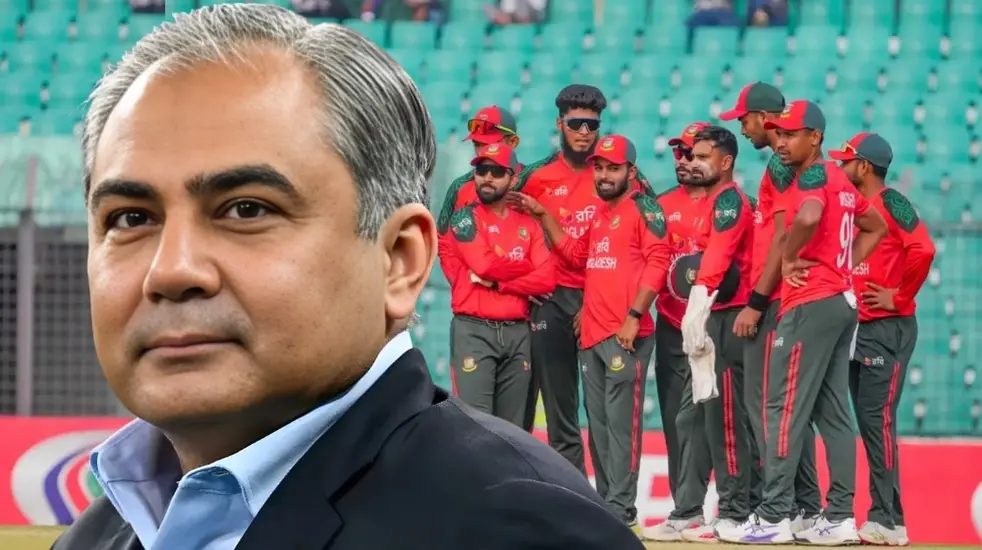
The recent incident involving Bangladesh Cricket Board (BCB) President Aminul Islam, observed flying a kite with banned kite string in Lahore, critically highlights persistent challenges in regulatory enforcement and national image projection. This event, occurring despite stringent government penalties for metallic or chemical-coated kite strings, necessitates a precise re-evaluation of public safety protocols and international visitor conduct within Pakistan’s jurisdiction. Furthermore, it surfaces at a sensitive juncture, coinciding with high-level discussions between the Pakistan Cricket Board (PCB) and the International Cricket Council (ICC) regarding major cricketing controversies.
The Translation: Deconstructing Regulatory Compliance
The Punjab government’s categorical prohibition on ‘charkhi wire’—metallic or chemical-coated kite strings—is a strategic safety measure. This banned kite string poses significant risks, historically causing severe injuries and fatalities due to its sharp, conductive nature. Consequently, the widespread use of such material, even in celebratory contexts like Basant, directly contravenes public safety mandates. Understanding this regulatory framework is crucial; it underscores the government’s calibrated effort to mitigate preventable harm, transitioning from traditional, hazardous practices to safer cultural engagement.

The Socio-Economic Impact: Citizen Safety and Cultural Integrity
This incident directly impacts the daily life of a Pakistani citizen by compromising the safety of traditional festivities. When high-profile individuals disregard established safety laws, it normalizes hazardous practices, particularly among youth and families celebrating cultural events such as Basant. Ultimately, the presence of banned kite string threatens public well-being, imposing a tangible risk of injury or even fatality, especially for students and professionals traversing urban and rural areas. This regulatory breach further eroding public trust in enforcement mechanisms, suggesting a systemic vulnerability in maintaining civic order.
The ‘Forward Path’: A Stabilization Move for Enforcement Efficacy
This development represents a ‘Stabilization Move,’ rather than a ‘Momentum Shift.’ While the government has implemented strict penalties, the repeated occurrence of violations, particularly by prominent figures, indicates that enforcement efficacy requires further structural reinforcement. A robust system of uniform application of law, irrespective of status, is paramount for demonstrating genuine progress. Therefore, this situation serves as a critical feedback loop, urging authorities to recalibrate their enforcement strategies for sustained compliance and a safer societal framework.

Strategic Implications: Cricket Diplomacy Amidst Regulatory Gaps
Aminul Islam’s presence in Pakistan for official cricketing discussions—including meetings with PCB Chairman Mohsin Naqvi and PSL CEO Salman Naseer—adds another layer of complexity. Simultaneously, ICC Deputy Chairman Imran Khawaja’s visit to address the sensitive T20 World Cup boycott decision against India underscores the intricate interplay of sports diplomacy and national governance. Consequently, the public display of violating a banned kite string ordinance by an international dignitary could potentially complicate Pakistan’s standing in ongoing bilateral and multilateral engagements. It provides an unintended optics that demands immediate and strategic communication.