
Prolonged Winter in Pakistan: Official Warnings Issued
Authorities across various regions have issued a stern warning: prepare for a prolonged winter in Pakistan this year. Cold conditions are expected to persist well into early spring. Consequently, citizens are strongly advised to take necessary precautions. This forecast comes as meteorological patterns indicate a significant shift, potentially mirroring a trend observed previously.
Irfan Ali Kathia, Director General of the Provincial Disaster Management Authority (PDMA), confirmed a delayed onset of severe cold this year. Paradoxically, this delay increases the probability of an intense and prolonged winter. This aligns with observations from the last winter season, which similarly stretched beyond its normal timeframe, setting a precedent for the current forecast.
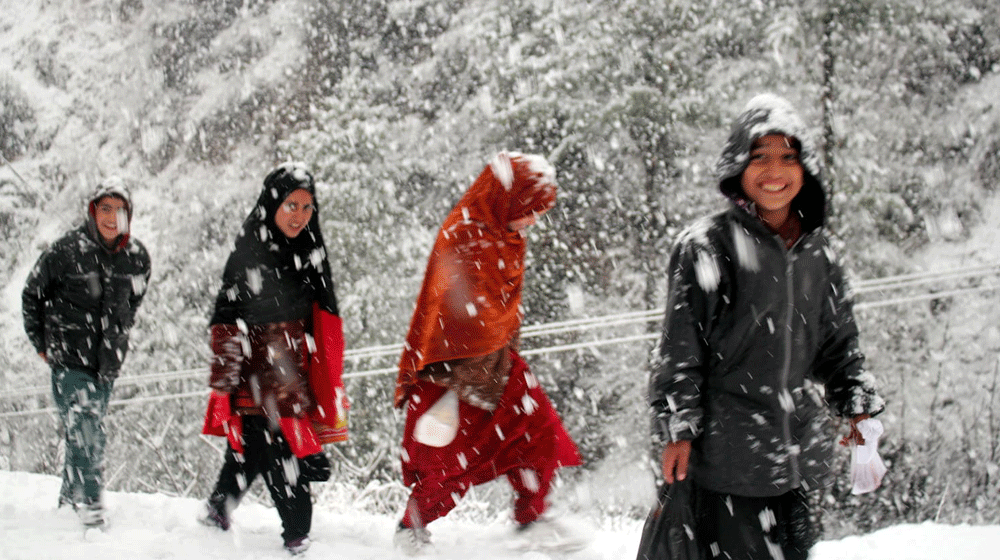
Shifting Climate Patterns Impact Pakistan’s Winter
Evolving climatic patterns primarily attribute to the extended winter, signaling a prolonged winter in Pakistan. Experts suggest that cold weather could now linger until early March, even pushing into April. Furthermore, a notable increase in intensity is anticipated after mid-January, specifically around the 17th or 18th. Temperatures have been lower this year compared to the last; however, regions like Punjab have experienced a significant deficit in rainfall, a crucial factor influencing winter conditions.
Detailed meteorological reports indicate Punjab received only 2.5 millimeters of rainfall in December. This stands in stark contrast to the 11.2 millimeters recorded during the same period last year, representing a substantial 75 percent decrease. This rainfall deficit contributes to the persistence of dense fog, which remains a significant challenge across the province. Until adequate rainfall occurs, an improvement in these foggy conditions is not expected.

Snowfall & Avalanche Risks in Mountainous Areas
Regarding snowfall, the PDMA chief clarified that Lahore is unlikely to experience any during the current winter season. Nonetheless, mountainous regions anticipate a different scenario. Rain and snowfall are expected in areas such as Murree and the Galiyat after January 17 and 18, offering a more traditional winter experience for those higher altitudes. This regional variation underscores the diverse impact of weather patterns across different topographies.
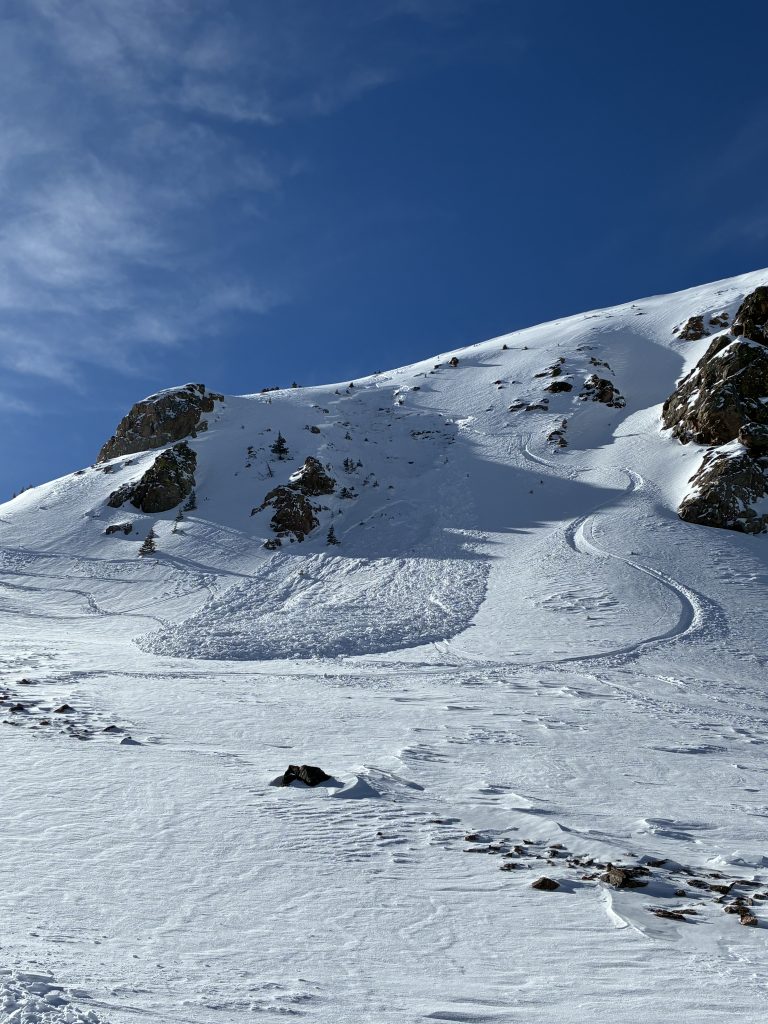
Meanwhile, concerns regarding potential avalanche dangers in other mountainous regions highlight broader risks associated with prolonged and intense winter conditions globally. Consequently, communities in such areas are often advised to monitor local advisories closely. This emphasizes the critical need for preparedness in susceptible terrains.
PMD Dispels Winter Misinformation
In response to widespread speculation, the Pakistan Meteorological Department (PMD) has strongly refuted unverified claims circulating on social media. These claims suggested the advent of a record-breaking or unusually severe cold wave between January 16 and 25. The PMD emphasized that such misleading forecasts lack official data and cause unnecessary public concern.
The department urged the public and relevant institutions to exercise caution and rely solely on official forecasts, warnings, and advisories issued by the PMD. Spreading unverified information can lead to panic and mispreparation. Therefore, using credible sources for weather-related updates is paramount. The PMD’s stance aims to ensure citizens receive accurate information to make informed decisions regarding their safety and well-being.
Essential Tips for Pakistan’s Extended Winter
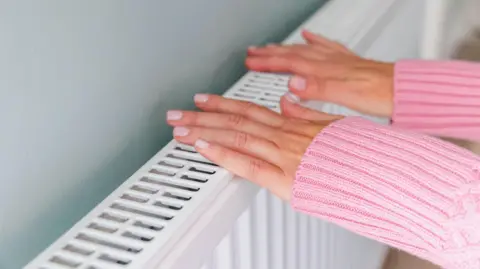
Given the forecast for a prolonged winter in Pakistan, adequate preparation is imperative for everyone. This includes safeguarding against the cold, managing energy consumption, and ensuring home safety. Here are some essential tips to help navigate the extended cold season effectively:
- Insulate Your Home: Check for drafts around windows and doors. Use weatherstripping or caulk to seal gaps and prevent heat loss. This can significantly reduce energy bills.
- Layer Up: Dress in multiple layers of clothing to stay warm, both indoors and outdoors. This method proves more effective than wearing one thick garment.
- Monitor Heating Systems: Ensure your heating systems are in good working order. Schedule a professional inspection if you haven’t already. Be mindful of carbon monoxide risks when using gas heaters.
- Stay Informed: Continuously monitor official weather forecasts and advisories from reliable sources like the PMD. This proactive step helps you stay updated on any changes or new warnings.
- Conserve Energy: Adopt energy-saving habits. For example, turn off lights when leaving a room, unplug unused electronics, and lower your thermostat slightly.
By taking these proactive steps, communities can better cope with the challenges posed by a potentially extended winter, ensuring safety and comfort throughout the colder months.








