

Strategic Public Safety: Layyah Implements Open Pits Ban
In a calibrated move towards national advancement, Layyah’s district administration has strategically implemented an open pits ban, directly addressing critical public safety threats. This decisive directive mandates immediate action by landowners to fill or secure unattended excavations, ponds, and water accumulation zones. Consequently, this structural change aims to prevent potential drownings, particularly for children, and mitigate the serious public health risks posed by mosquito breeding grounds in stagnant water. This proactive measure signals a foundational commitment to community well-being and environmental hygiene across the district.
The Translation: Calibrated Directives for Public Protection
Layyah’s Deputy Commissioner Asif Ali issued explicit directives, compelling all landowners and responsible parties to address unattended open pits and deep excavations. This mandate requires swift action: fill, cover, or secure these hazardous areas without delay. The administration defines “unattended” as any excavation or water body lacking proper safety infrastructure, which poses an immediate risk to citizens. Furthermore, this regulation specifically targets stagnant water sources within these pits, recognizing their critical role as breeding grounds for disease-carrying mosquitoes and severe drowning hazards.
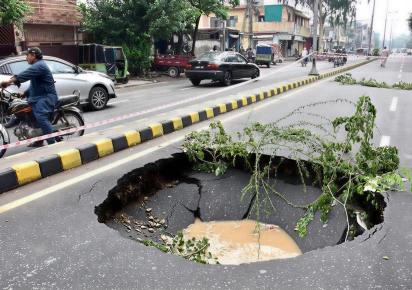
Understanding the Hazard Spectrum
- Drowning Prevention: Unsecured pits, especially those filled with water, present an undeniable and grave risk of accidental drowning, particularly for vulnerable populations such as young children.
- Disease Vector Control: Stagnant water in open excavations serves as an ideal habitat for mosquito larvae, thereby accelerating the proliferation of vector-borne diseases like dengue and malaria.
- Environmental Hazard Mitigation: Beyond direct human risk, these unattended sites can also become receptacles for waste, further degrading local environmental quality and community aesthetics.
The Socio-Economic Impact: Enhancing Daily Life in Layyah
This strategic open pits ban directly enhances the daily life of a Pakistani citizen in Layyah by elevating baseline safety and public health standards. For households, particularly those with children, the elimination of open pits translates into a significantly safer environment, reducing the constant anxiety of accidental harm. Professionals working near construction sites or agricultural lands will benefit from clearer safety protocols, contributing to fewer workplace incidents. Moreover, the systematic reduction of mosquito breeding grounds will likely decrease the incidence of vector-borne illnesses, leading to fewer sick days, reduced healthcare burdens, and improved overall productivity within both urban and rural communities. This initiative complements prior efforts, such as the installation of 160 water filtration plants, reinforcing a holistic commitment to citizen well-being.
Improved Community Health Metrics
The proactive elimination of open pit hazards is a precision intervention with broad public health implications. It directly correlates with a potential reduction in waterborne incidents and mosquito-related diseases, which are pervasive challenges in many regions. Consequently, this measure contributes to a more robust public health infrastructure, enabling citizens to live and work with greater security and reduced exposure to preventable risks. This is a structural upgrade to community living standards.
The “Forward Path”: A Stabilizing Momentum Shift for Layyah
This comprehensive open pits ban represents a critical “Stabilization Move” with strong undercurrents of a “Momentum Shift” for Layyah. While primarily a regulatory enforcement designed to address an existing, critical vulnerability, its systematic application and explicit focus on preventative measures elevate it beyond mere maintenance. The administration’s proactive stance in identifying and mitigating pervasive environmental hazards establishes a new baseline for public safety governance. This structured intervention is a catalyst for improved urban planning and community responsibility, fostering a safer, healthier environment. It sets a precedent for disciplined oversight and a forward-thinking approach to infrastructural vulnerabilities.








