Streamlining Road Safety: Pakistan Implements Critical Vehicle Headlight Ban
In a strategic move to enhance systemic efficiency and public safety on national roadways, authorities have issued a comprehensive vehicle headlight ban. This directive specifically prohibits high-beam, laser, and other modified headlights in all vehicles, directly addressing the escalating concern of traffic accidents and significant safety risks. Consequently, this calibrated policy aims to optimize nighttime visibility conditions, thereby reducing vehicular collision incidents and safeguarding lives across urban and rural landscapes.
The Translation: Deconstructing the New Headlight Regulations
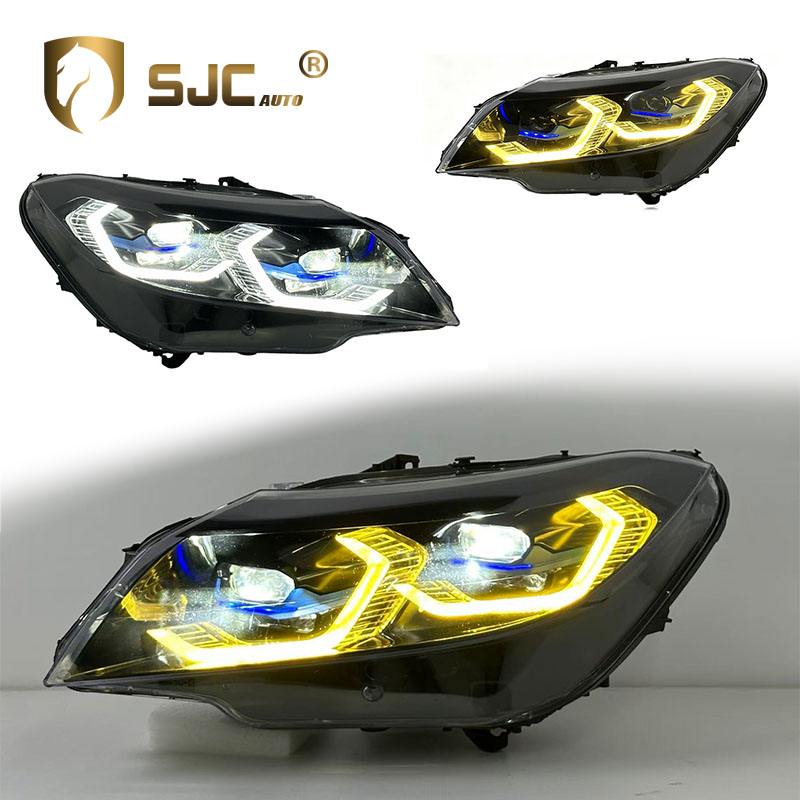
The core of this directive mandates the immediate cessation of using intense vehicle lights. Specifically, this includes high-beam, laser, and any aftermarket modified headlights. An official notification underpins this vehicle headlight ban, highlighting the severe endangerment these illumination systems pose to human lives during nocturnal driving. Furthermore, the ban extends beyond usage to encompass the sale and purchase of such high-intensity lighting systems across the city, aiming to curb their proliferation at the source.

Why the Precision? Understanding the Hazard
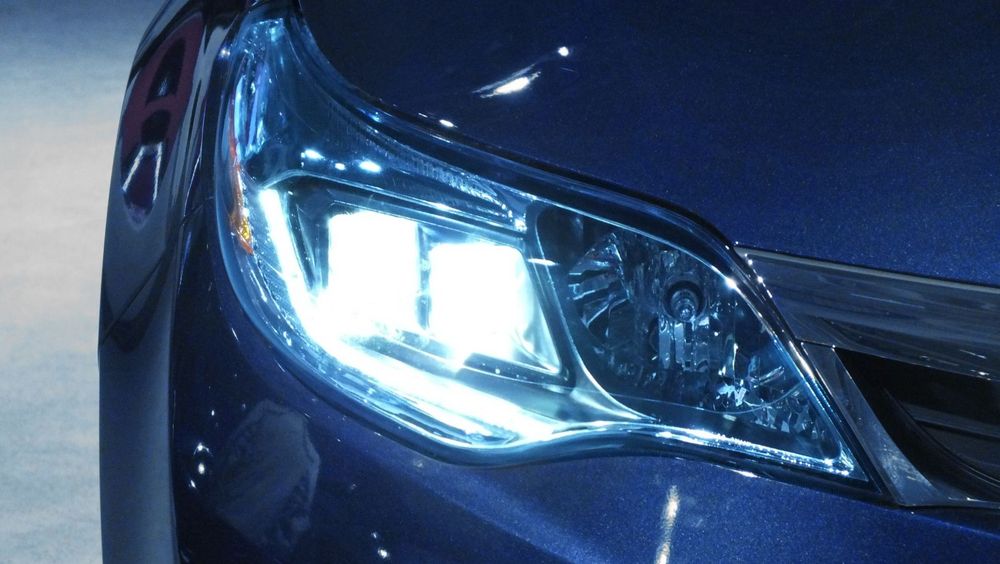
Officials assert that excessive headlight brightness profoundly diminishes other drivers’ visibility, acting as a direct catalyst for numerous road accidents. This structural inefficiency in light distribution creates hazardous conditions. In contrast, compliant lighting fosters a safer shared environment. Violations of this proactive measure will incur stringent legal action under Section 188, underscoring the administration’s commitment to enforcing this critical vehicle headlight ban with disciplinary precision.
The Socio-Economic Impact: Calibrating Daily Life for Pakistanis
This vehicle headlight ban will fundamentally recalibrate the daily driving experience for every Pakistani citizen. For students and professionals commuting at night, the reduction in blinding glare promises a less stressful and significantly safer journey. Urban dwellers will experience clearer nightscapes, while rural communities, often navigating less-illuminated routes, stand to benefit immensely from standardized lighting conditions. Reduced accidents translate directly into fewer fatalities, injuries, and associated economic burdens, such as healthcare costs and property damage. Consequently, this initiative promotes a more secure and efficient transportation ecosystem for all.

Safer Roads, Stronger Economy
A reduction in traffic accidents frees up emergency services, optimizes healthcare resource allocation, and enhances overall productivity. Families will face fewer anxieties regarding loved ones on the road. This policy represents a structural upgrade to public infrastructure indirectly, by enforcing responsible vehicle operation. The collective adherence to these regulations will demonstrably improve the quality of life and foster a more resilient national framework for road safety.
The "Forward Path": A Momentum Shift Towards Advanced Road Safety
This vehicle headlight ban unequivocally represents a Momentum Shift for Pakistan’s road safety paradigm. It transcends mere maintenance; instead, it is a strategic intervention designed to rectify a systemic flaw that has consistently contributed to preventable tragedies. By proactively regulating vehicle lighting, the administration is establishing a new baseline for driver responsibility and public protection. This decisive action serves as a catalyst for broader advancements in traffic management and urban planning, signaling a commitment to a more secure and predictable national transportation future.