A strategic shift in mobile imaging architecture is underway as Apple rigorously evaluates a 200MP camera sensor for integration into future iPhone models. This potential advancement signifies a calibrated response to escalating industry benchmarks, positioning Apple alongside leading Android manufacturers in the pursuit of ultra-high-resolution mobile photography. Consequently, this move could redefine user expectations for image fidelity and computational photography in personal devices.
The Translation: Deconstructing Apple’s Camera Ambition
Industry intelligence from reliable supply chain sources indicates Apple is currently assessing a substantial 1/1.12-inch sensor. This specific component is anticipated to become commercially available within the next year, signifying a critical phase in Apple’s development cycle. This sensor size mirrors those appearing in advanced Android counterparts, such as the rumored dual 200MP cameras in the forthcoming Oppo Find X9 Ultra.

Furthermore, the competitive landscape already demonstrates significant progress. The upcoming Vivo X300 Ultra, for instance, confirms a dual 200MP camera system, integrating both a 200MP Sony LYTIA-901 sensor for its main lens and a 200MP Samsung HP0 for the periscope telephoto. While Apple’s evaluation remains ongoing, this rigorous testing confirms a structural consideration for a major camera upgrade, potentially culminating in the deployment of an advanced iPhone 200MP camera system.
The Socio-Economic Impact: Elevating Pakistani Digital Engagement
The integration of high-resolution cameras, such as a potential iPhone 200MP camera, directly impacts the daily digital life of Pakistani citizens. For students and educators, enhanced image clarity means better documentation of academic work and more engaging visual content for remote learning. Professionals in various sectors, from real estate to engineering, gain superior tools for high-precision visual data capture, thus improving project documentation and client presentations.
Moreover, content creators and small businesses across urban and rural Pakistan can produce studio-quality visuals directly from their smartphones. This democratizes access to high-end media production, fostering innovation and economic growth in the digital economy. Consequently, this technological advancement supports a more vibrant and visually rich online presence for individuals and enterprises alike.
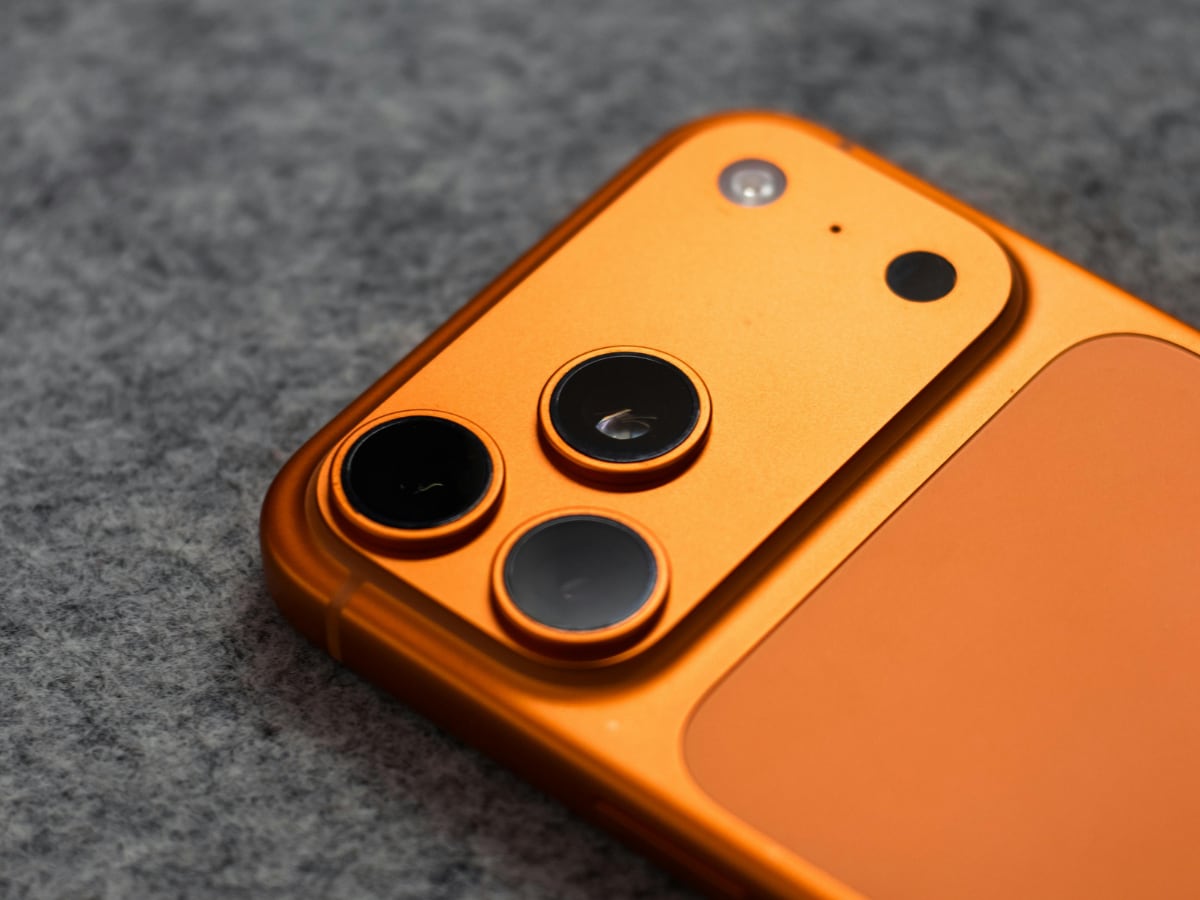
The “Forward Path”: A Momentum Shift for Mobile Imaging
This development undeniably represents a Momentum Shift in mobile imaging. Apple’s methodical approach to evaluating a 200MP sensor indicates a strategic intent to not just match, but potentially redefine, the capabilities of smartphone photography. This is not merely an incremental update; it is a foundational architectural change. The precision engineering and advanced sensor technology signify a commitment to pushing the boundaries of what is achievable in compact digital cameras.
Ultimately, this move will likely catalyze further innovation across the smartphone industry, driving a new baseline for photographic excellence that benefits users globally, including Pakistan. It signals an era where professional-grade imaging is increasingly accessible to the everyday consumer, thereby empowering a new generation of visual communicators.