Apple Crowned King: How One Smartphone Maker Finally Dominated in 2025
The global smartphone market saw a significant shift in 2025. After years of strong competition, one major player finally claimed the top spot. This pivotal year will be remembered for a major upset in the rankings, as Apple dominates smartphones and reshapes the entire competitive landscape. Counterpoint Research data confirms this remarkable change, marking a new era of leadership. Overall shipments experienced modest growth, yet this shift truly defined the year.

Apple’s Stellar Rise: How Apple Dominates Smartphones in 2025
In a groundbreaking achievement, Apple emerged as the world’s largest smartphone maker in 2025. The company secured an impressive 20% global market share, solidifying how Apple dominates smartphones. Consequently, one in every five smartphones shipped proudly displayed the Apple logo. Among the top five manufacturers, Apple recorded the fastest growth, with shipments surging by 10% from the previous year. This rapid expansion highlights their effective product strategy and deep consumer loyalty.
Counterpoint noted the continued exceptional performance of older iPhone 16 models in key regions like Japan, India, and Southeast Asia. Simultaneously, demand for the newer iPhone 17 lineup quickly gained momentum, further strengthening Apple’s market position. Analysts attribute this stellar year partly to a delayed upgrade cycle. Many consumers opted to replace older devices in 2025, having postponed purchases during the COVID period.
Samsung’s Enduring Presence Amidst Market Shifts
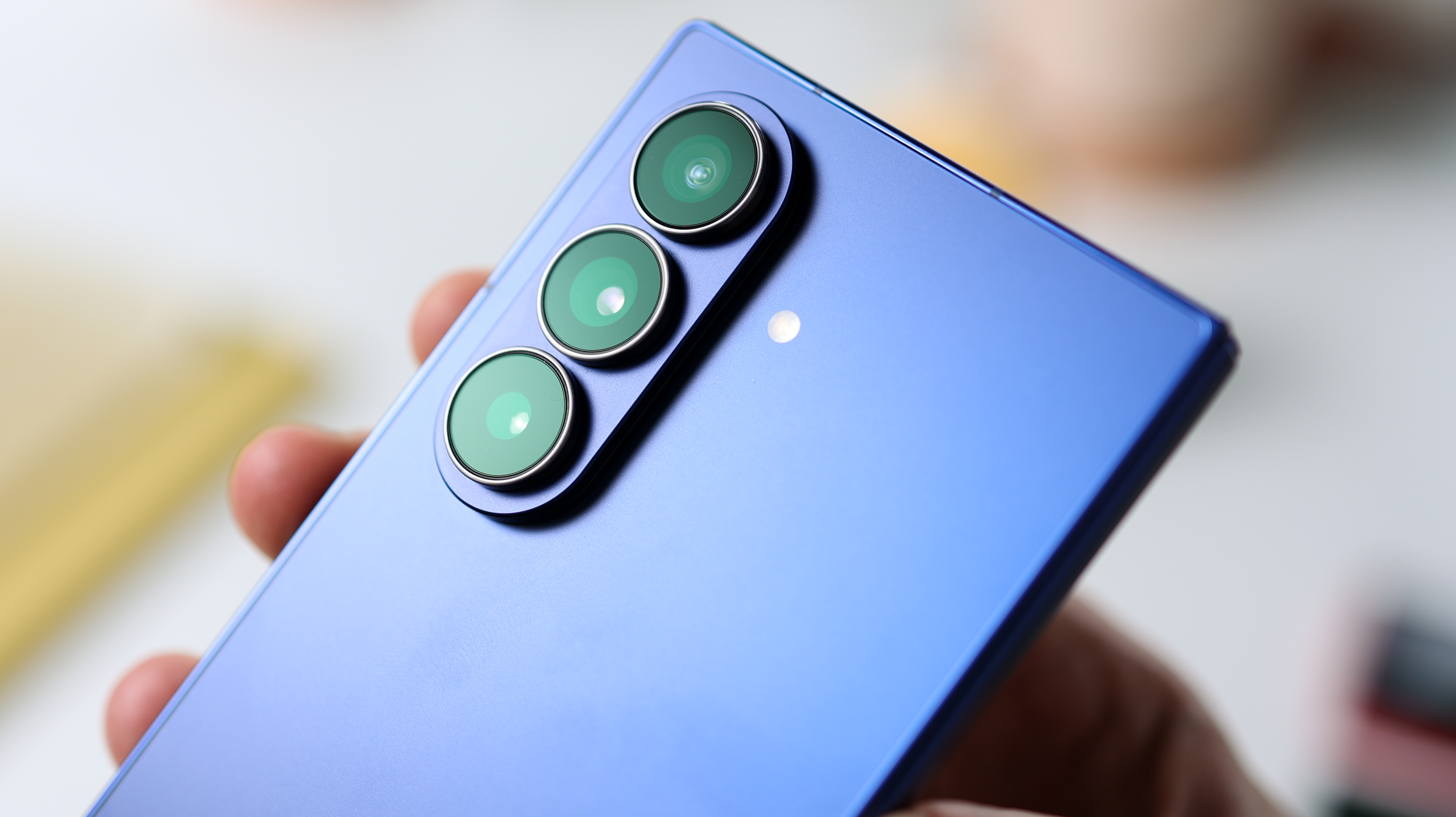
Despite losing the top spot to Apple, Samsung maintained a strong presence, securing a commendable second place. The Korean tech giant achieved a respectable 5% annual shipment growth, demonstrating its lasting appeal and robust product range. Counterpoint’s report emphasized the superior sales of the flagship Galaxy S25 series and the innovative Galaxy Z Fold7. These premium devices significantly bolstered Samsung’s standing in the high-end market segment.
Furthermore, rising demand for Samsung’s popular Galaxy A-series models fueled growth in the mid-range category. This comprehensive strategy enabled Samsung to sustain overall momentum and profitability, even while navigating intense competition at the very top of the market.
Key Movements: Xiaomi, Vivo, and Oppo in 2025
Beyond the leading two brands, the 2025 smartphone market observed other significant shifts. Xiaomi successfully retained its third-place global standing, maintaining a stable 13% market share. The company’s strongest regional performance occurred in South America and Southeast Asia. Here, its diverse range of affordable, yet feature-rich, devices resonated well with consumers.
A notable switch happened between Vivo and Oppo. Vivo’s shipments grew by 3%, allowing it to edge ahead of Oppo in the global rankings. Counterpoint suggested that Vivo benefited significantly from robust demand in the crucial Indian market. Conversely, Oppo faced intensified competition, especially in its home market of China and across the broader Asia-Pacific region. Consequently, this led to a 4% decline in its shipments.

Future Outlook: Emerging Brands and 2026 Forecast
Outside the established top five, several smaller brands showed impressive growth, hinting at future market disruptions. Counterpoint highlighted the remarkable performance of Nothing, whose smartphone shipments soared by 31% in 2025. Similarly, Google demonstrated strong momentum, posting a significant 25% growth over the same period, primarily driven by its Pixel lineup.
However, the industry’s optimistic growth streak may encounter challenges in 2026. Research Director Tarun Pathak warned of an expected market softening. This downturn is due to anticipated DRAM and NAND shortages, coupled with rising component costs. Furthermore, chipmakers increasingly prioritize the booming demand from AI data centers over smartphone production, exacerbating this challenge. Pathak also noted visible smartphone price increases. Consequently, Counterpoint revised its 2026 forecast downward by 3% for expected global shipments, signaling a potentially tougher year ahead for the mobile industry.