
Calibrated Security for Strategic Assets
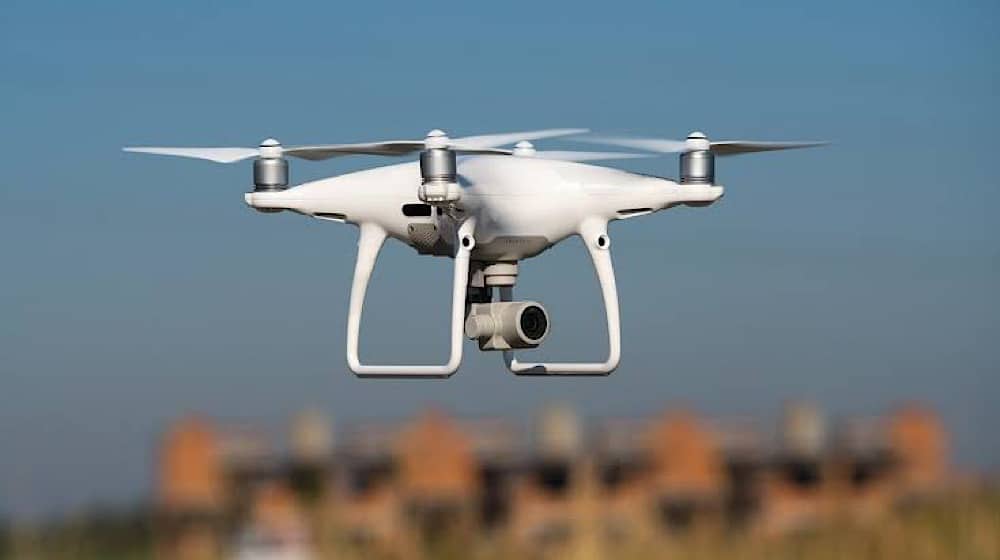
Pakistan’s commitment to securing its vital infrastructure is intensifying. Consequently, authorities in Rawalpindi are strategically implementing advanced anti-drone systems Rawalpindi at sensitive sites, particularly those associated with Chinese development projects. This proactive measure aims to significantly enhance protection and mitigate emerging regional threats. Furthermore, these integrated security protocols are crucial for national stability and safeguarding high-value assets and personnel.
The Translation: Fortifying Our Digital Frontier
The recent proposal, deliberated by the Regional Coordination Committee, signifies a structural shift towards preemptive defense. Fundamentally, this means deploying sophisticated technology to detect, track, and neutralize unauthorized aerial vehicles. This initiative extends beyond mere installation, however. It includes expanding existing anti-drone capabilities at critical locations, encompassing both workplaces and residential zones for Chinese nationals. The data indicates that some sites already benefit from operational systems, with a broader rollout meticulously planned. Such systems represent a precision-engineered solution to evolving security challenges.

Proactive Intelligence and Audit Protocols
To further bolster this defense posture, the Special Branch has been mandated to conduct comprehensive security audits of housing societies. This includes rigorous verification processes for employees and private security personnel, establishing a new baseline for residential safety. Simultaneously, departments are instructed to maintain meticulously updated records of Chinese nationals and to intensify intelligence-based surveillance across Rawalpindi. Ultimately, these measures create a multi-layered security framework, reducing vulnerabilities.
The Socio-Economic Impact: Enhanced Confidence and Stability
How does this strategic deployment of anti-drone systems Rawalpindi impact the daily life of a Pakistani citizen? Primarily, it generates a tangible sense of enhanced security. Students and professionals operating near critical infrastructure can perform their duties with greater assurance, knowing protective measures are actively in place. For households in both urban and rural areas, the broader security audit translates into more secure communities. Moreover, the safeguarding of Chinese projects directly supports Pakistan’s economic growth and stability, fostering greater confidence for international investment and collaborative ventures.
- Enhanced Safety: Reduces the risk of aerial threats to critical infrastructure and personnel.
- Economic Confidence: Assures international partners of a secure environment for investment.
- Community Resilience: Strengthens overall security protocols, benefiting local residents.
- Technological Advancement: Positions Pakistan as a nation embracing modern defense solutions.
The Forward Path: A Stabilization Move for Sustained Progress
From an architectural perspective, this development represents a “Stabilization Move.” It is not a sudden momentum shift but rather a calibrated reinforcement of existing security frameworks, strategically adapting to modern threats. The consistent focus on securing Chinese projects underscores Pakistan’s unwavering commitment to long-term partnerships and economic corridors. Therefore, these measures are foundational, ensuring the consistent and uninterrupted progress of national development initiatives against a backdrop of evolving regional dynamics. This strategic posture maintains national resilience and operational efficiency.








