

Strategic Urban Calibration: Introducing Dedicated Bike Lanes
Pakistan’s urban centers are strategically calibrating for enhanced system efficiency. Faisalabad has initiated a critical infrastructure upgrade, deploying dedicated bike lanes on its major thoroughfares. This decisive action directly addresses long-standing urban mobility challenges and significantly elevates road safety standards for cyclists and motorcyclists. This structural advancement marks a pivotal moment in the city’s commitment to modern, sustainable transport solutions, setting a new baseline for future urban planning across the nation. Furthermore, this move establishes the first structured implementation of such infrastructure in Faisalabad’s history, actively marking and reserving separate lanes.
The Translation: Blueprinting Enhanced Commuter Safety
For decades, Faisalabad’s urban development frameworks lacked explicit provisions for non-vehicular transport. While a 1978 plan briefly outlined the concept of separate cycling infrastructure, its actualization never materialized, leaving millions of daily commuters vulnerable. This current initiative, however, transcends mere theoretical planning. The Faisalabad administration is actively aligning designs with stringent international standards.

Muhammad Asghar, a retired chief engineer from the Faisalabad Development Authority, confirms these global guidelines recommend a minimum width of 1.5 meters for one-way lanes and 3.5 meters for two-way lanes for such infrastructure. He further emphasized the necessity of clearly marked lanes with solid white lines, strictly reserved for cyclists. Consequently, deploying traffic enforcement staff on major urban roads is crucial for ensuring compliance and the integrity of these new routes, transforming general thoroughfares into structured pathways.
Khalid Mahmood, a retired Metropolitan Corporation engineer, lauded this initiative as a significant leap forward. He observed that previous planning frameworks often overlooked the critical needs of millions who depend on motorcycles and bicycles for their daily commute. This current, precise intervention rectifies that historical oversight, providing a robust framework for safer urban mobility.
The Socio-Economic Impact: Elevating Daily Life in Faisalabad
This infrastructure upgrade will profoundly impact the daily life of a Pakistani citizen, particularly in Faisalabad. Students commuting to educational institutions and professionals traveling to work will experience significantly reduced risk, transforming their daily journeys from hazardous endeavors into safer, more predictable routes. For households, especially those relying on motorcycles as their primary mode of transport, the financial burden of accidents and vehicle damage is likely to diminish. Moreover, this calibrated move encourages healthier lifestyles by promoting cycling, potentially reducing reliance on private vehicles and subsequently, urban congestion and pollution. This initiative acts as a direct catalyst for improved public health and economic stability at the grassroots level.
The “Forward Path”: A Momentum Shift for Urban Infrastructure
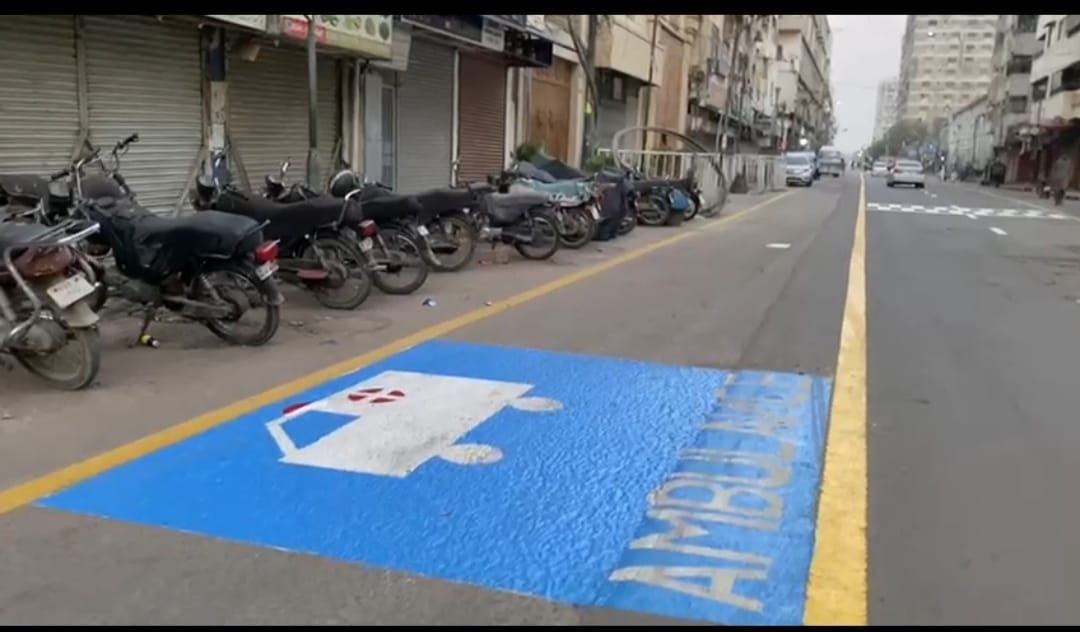
This development represents a clear Momentum Shift for Faisalabad and, by extension, other Pakistani cities. It is more than a mere maintenance activity; it is a proactive, strategic investment in the urban fabric. The commitment to international design standards and the stated intent for enforcement indicates a serious intent to move beyond theoretical planning to tangible, impactful infrastructure. This move sets a precedent, demonstrating how precision-driven urban planning can directly enhance citizen welfare and contribute to a more advanced, efficient national infrastructure. The implementation of dedicated bike lanes stands as a testament to this progressive vision.








