
Strategic Educational Continuity Amidst Regional Dynamics
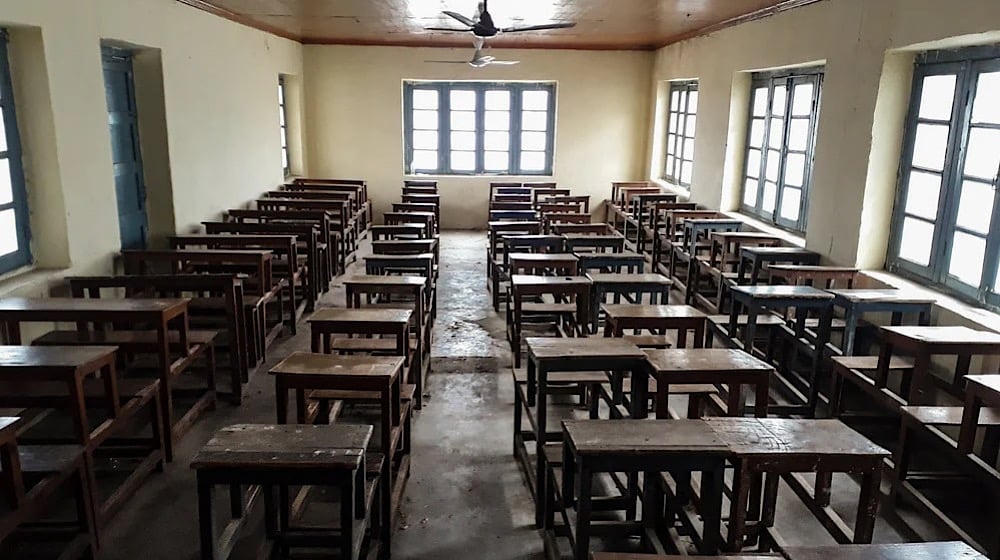
Following a calibrated decision by the Punjab government, Balochistan has now enacted a temporary Balochistan school shutdown, ordering the closure of all public and private educational institutes from March 9 to March 23, 2026. This structural directive stems from the ongoing Middle East conflict and the imperative to maintain strategic preparedness for any emergent situation. Consequently, this preemptive measure aims to safeguard student welfare and strengthen administrative readiness across the province.
The Translation: Calibrated Measures for Provincial Security
This provincial directive, issued by the Schools Education Department, extends beyond a simple closure; it represents a precise operational adjustment. The government’s rationale is rooted in proactive risk mitigation. Essentially, by temporarily halting in-person instruction, authorities can dedicate resources to emergency protocols. Furthermore, this move minimizes potential disruptions in public movement and transportation, ensuring a smoother response if regional conditions escalate.
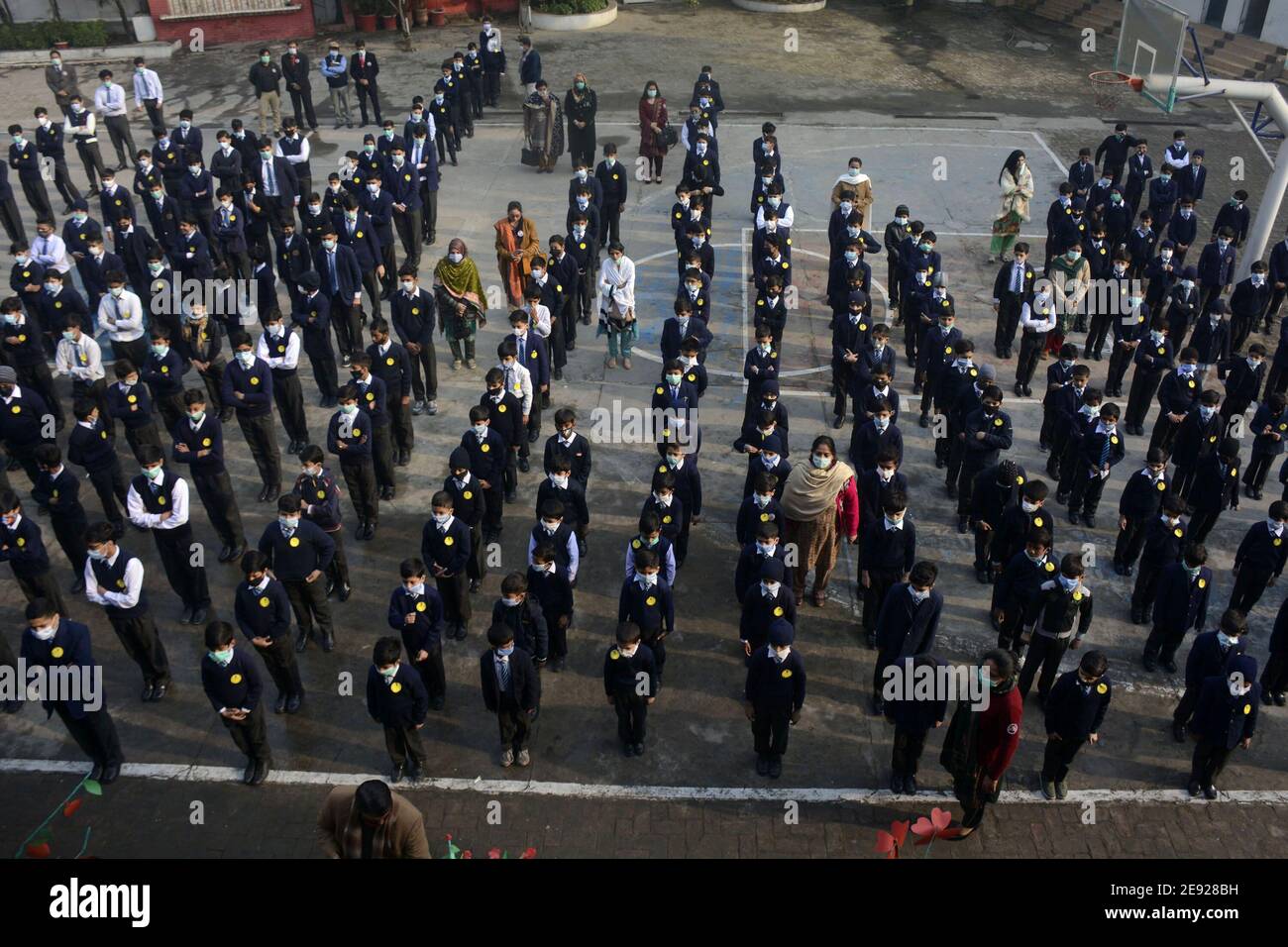
Crucially, academic momentum is not entirely paused. The Education Department confirms that critical operations, including the admission campaign, the digital census of schools, and scheduled examinations, will proceed as planned. Authorities have provided precise instructions to ensure these activities continue seamlessly, adhering strictly to departmental guidelines.
The Socio-Economic Impact: Ensuring Student Safety and Educational Continuity
For Pakistani citizens, particularly students and their families in both urban and rural Balochistan, this Balochistan school shutdown primarily translates into an immediate shift to remote learning or temporary suspension of classes. The core impact is a prioritization of student safety, removing them from potential risks associated with public gatherings during uncertain times. Moreover, this allows households to manage logistics without the daily commute, which can be challenging in a crisis.
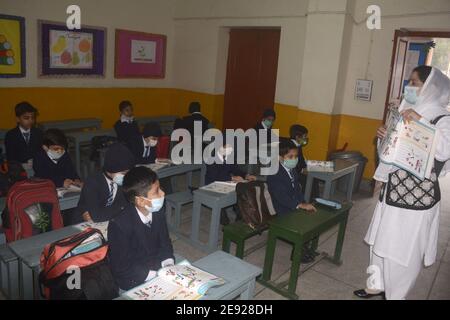
Professionals in the education sector face the challenge of adapting to these temporary measures while ensuring the continuity of essential administrative functions. This period necessitates flexible operational strategies. Ultimately, the decision seeks to prevent widespread panic and ensure that the foundational framework for education remains robust, even under external pressures.
The Forward Path: A Stabilization Move for National Resilience
This development represents a Stabilization Move. While it temporarily alters the conventional educational delivery model, the underlying intent is to secure the system against external volatilities. It is not necessarily a forward momentum shift in educational reform; rather, it’s a structural reinforcement designed to absorb shock and maintain operational integrity. Pakistan’s capacity for rapid, coordinated provincial responses to regional instabilities is being tested. Such measures underscore a commitment to national resilience, prioritizing the safety of its youth and the strategic functioning of its public services. This proactive stance is essential for mitigating risks in a complex geopolitical landscape.
For global scholarship opportunities, visit EduNation.








