

Strategic Imperatives: Understanding Pakistani Casualties UAE
A recent incident in Abu Dhabi resulted in another Pakistani national’s death from missile debris, underscoring the escalating regional tensions. This tragedy adds to a pattern of Pakistani casualties UAE, with multiple citizens affected by aerial interceptions. Such events highlight the critical risks faced by expatriate communities, necessitating a precise examination of the calibrated impacts on civilians amidst heightened regional conflict.
The Translation: Decoding the Escalation’s Human Cost
The Abu Dhabi Media Office confirmed a Pakistani citizen’s fatality in the Bani Yas area when fragments from an intercepted missile descended into a residential zone. This specific incident follows previous occurrences where Pakistani expatriates became unintended victims. For instance, on February 28, a Pakistani citizen in the UAE died during an Iranian missile interception. Furthermore, on March 8, another Pakistani lost their life in Dubai’s Al Barsha neighborhood due to falling debris impacting a vehicle.
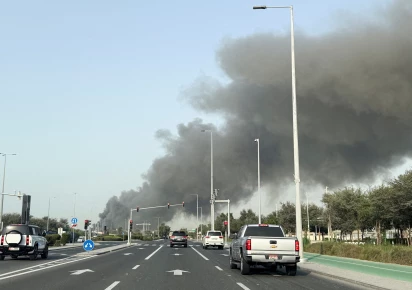
Beyond the UAE, the geographical spread of these incidents is expanding. Tragically, a fisherman from Gwadar, Muhammad Tayyab, perished in Iranian waters when debris from an Iranian air defense interception struck his boat. Moreover, six Pakistani and Nepalese nationals suffered injuries in Abu Dhabi on March 6 due to falling debris amid intensified drone and missile activities. Consequently, these events collectively demonstrate a widening arc of danger for non-combatant populations.
The Socio-Economic Impact: Ripple Effects on Pakistani Households
The direct impact of these fatalities and injuries significantly affects Pakistani citizens and their families. Each loss represents a severe blow to a household, often depriving it of a primary earner. This economic vulnerability is acutely felt by students relying on remittances for education and professionals supporting families back home. The psychological stress on expatriate communities also intensifies, creating uncertainty regarding safety and long-term residency. Prime Minister Shehbaz Sharif has articulated grief over these deaths, directing officials to facilitate the critical repatriation of bodies, thereby acknowledging the profound national dimension of these tragedies.
The Forward Path: Navigating Regional Instability
The documented increase in civilian casualties signifies a critical juncture in regional stability. This development represents a “Stabilization Move” rather than a “Momentum Shift.” It underscores the persistent, volatile environment where tactical engagements risk broader civilian implications. Pakistan must strategically calibrate its diplomatic efforts to advocate for de-escalation and ensure the systematic protection of its expatriate workforce. A baseline focus on citizen welfare within complex geopolitical landscapes is structurally imperative for national advancement.








