Calibrating National Rivalry: The Women’s Asia Cup Fixture
The strategic calibration of national athletic engagement continues as Pakistan India women’s cricket teams are poised for a high-stakes encounter on February 15, 2026, within the ACC Women’s Asia Cup Rising Stars tournament in Bangkok, Thailand. This fixture precisely maintains the dynamic rivalry at the women’s level, even as complexities surrounding men’s cricketing ties introduce a contrasting context. This premier T20 event, featuring eight nations, provides a critical platform for emerging talent, underscoring Pakistan’s commitment to disciplined sports development.
Tournament Structure and Group Dynamics
The Women’s Asia Cup Rising Stars, an eight-team T20 tournament, will proceed from February 13 to February 22 in Bangkok, Thailand. Significantly, participating teams are structurally divided into two groups of four. Subsequently, the top two teams from each group will qualify for the semifinals, establishing a clear pathway to the final. Pakistan’s women’s team will initiate their campaign on February 13 against Nepal, concluding their group-stage matches on February 17 against the UAE. The group stage concludes on February 18, with semifinals scheduled for February 20 and the final on February 22, thereby delineating a precise competitive timeline.
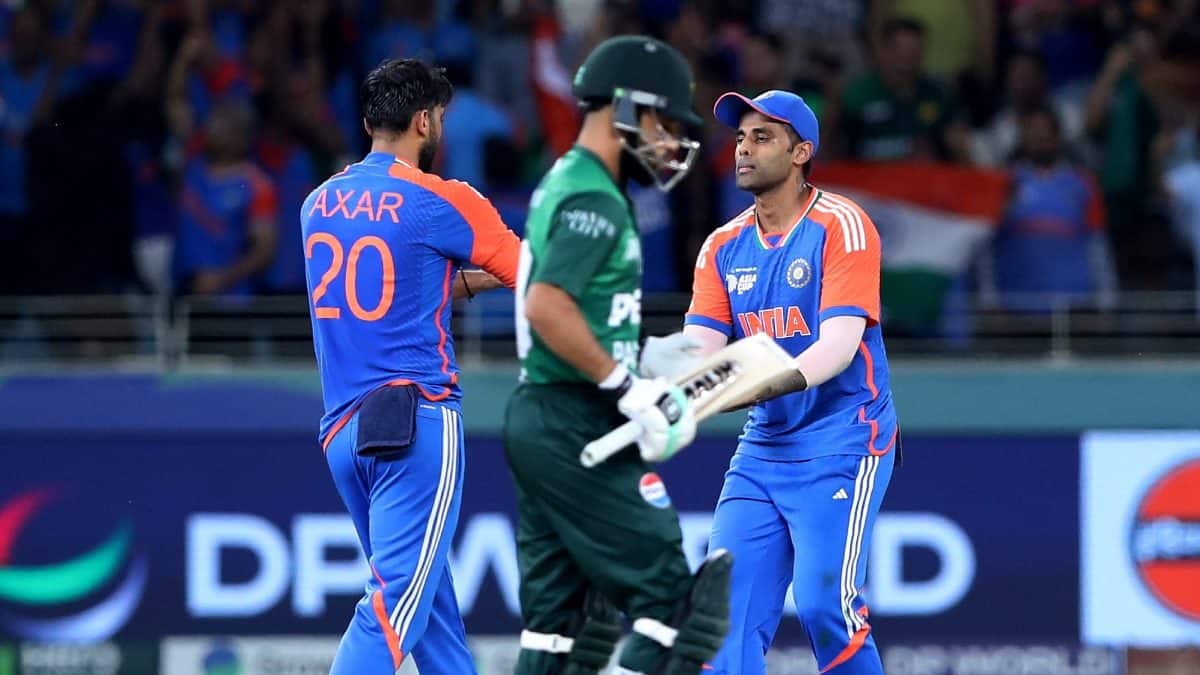
Specifically, Pakistan India women’s cricket teams are strategically positioned in Group A, alongside the United Arab Emirates and Nepal. In contrast, Group B encompasses Bangladesh, Sri Lanka, Malaysia, and the host nation, Thailand. This meticulous grouping ensures balanced competition and sets the stage for pivotal early-tournament clashes.
Navigating Geopolitical Crosscurrents in Sport
The Translation: Strategic Continuity in Women’s Cricket
This women’s fixture manifests against the backdrop of Pakistan’s calibrated decision to boycott a men’s T20 World Cup match against India, also slated for February 15, 2026. Pakistan’s government directives and political considerations dictated this non-participation in the men’s event, even as India confirmed its intent to travel to Colombo for their men’s World Cup fixture. Therefore, while uncertainty persists regarding the men’s contest, the Pakistan Women’s A team’s scheduled confrontation with India A in the Women’s Asia Cup Rising Stars tournament precisely ensures that cricketing ties between the two nations remain functionally active at the women’s level. This demonstrates a nuanced, multi-faceted approach to international sports diplomacy.
Socio-Economic Impact: Empowering Future Generations
How does this change the daily life of a Pakistani citizen? The continued engagement in Pakistan India women’s cricket at an international level serves as a potent catalyst for national development. For students and aspiring athletes in both urban and rural Pakistan, this visibility normalizes and valorizes women’s participation in professional sports. Consequently, it creates new aspirational baselines, encouraging young girls to pursue athletic careers and fostering greater gender equity in sporting infrastructure. Furthermore, the national spotlight on these matches cultivates a sense of collective pride and unity, transcending regional divides and solidifying national identity through shared sporting triumphs and efforts.
The Forward Path: A Stabilization Move
From an analytical perspective, this development represents a “Stabilization Move.” It structurally reinforces the existing framework for women’s cricket, providing essential continuity amidst broader geopolitical complexities. This strategic persistence prevents a complete cessation of bilateral cricketing engagement, thereby maintaining crucial pathways for talent development and international competition for Pakistani women athletes. It is a pragmatic step, ensuring that the momentum built in women’s sports is preserved and systematically nurtured, rather than allowing external factors to disrupt established progress.