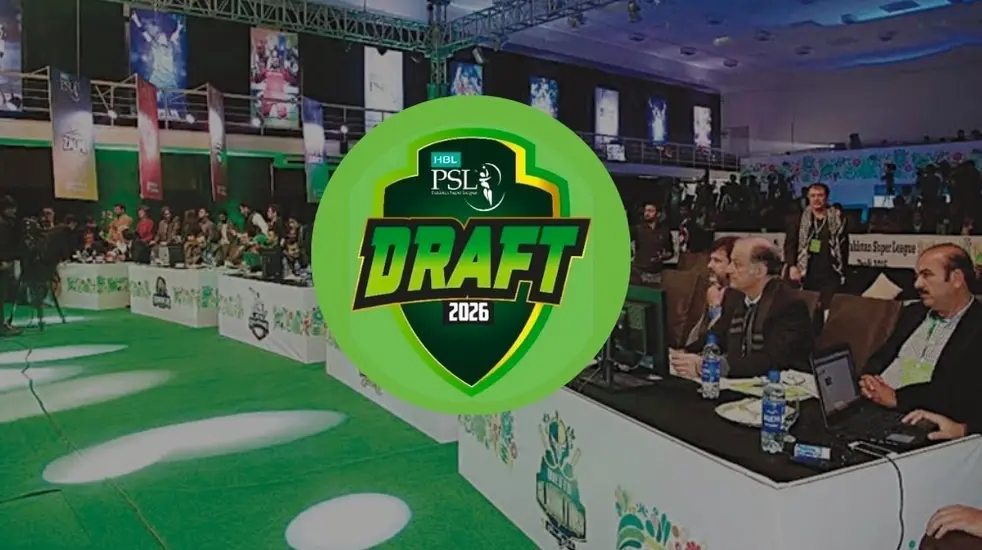
A significant recalibration within Pakistan’s premier cricket league has occurred, underscoring evolving investment paradigms. During the high-stakes Pakistan Super League (PSL) Multan Sultans auction, former owner Ali Tareen opted for a strategic non-engagement, refraining from placing any bids to reclaim the franchise. This pivotal decision paved the way for Walee Technologies, a prominent tech entity, to acquire the team with a record-setting bid of Rs. 245 crore, signaling a new chapter for the franchise and its impending relocation to Rawalpindi under a new identity.
Strategic Disengagement: Ali Tareen’s Calculated Stance in the Multan Sultans Auction
Despite his physical presence as one of the five qualified bidders, Ali Tareen’s entity, Deharki Sugar Mills (DSM), maintained complete silence throughout the bidding process. The predefined base reserve price of Rs. 182 crore for the franchise demonstrably influenced this financial prudence during the Multan Sultans auction. Consequently, Tareen’s prior public statements highlighted a disciplined approach, cautioning fans against the assumption of an unconditional acquisition, emphasizing realistic expectations.
The Translation: Unpacking the Financial Dynamics
This development signifies a calculated financial move rather than a lack of intent. Ali Tareen had submitted the necessary documentation to qualify, confirming his eligibility. However, his public statements prior to the auction underscored a commitment to fiscal responsibility: “We have submitted our papers, and we are one of the qualified bidders for the team,” Tareen stated, further articulating, “But I want everyone to have realistic expectations and temper them. It’s not a given that I will go for Multan Sultans at any cost.” This established a clear baseline for his investment threshold.
The Socio-Economic Impact: A New Axis for Cricket Fandom
The acquisition of the Multan Sultans by Walee Technologies, coupled with its relocation to Rawalpindi, fundamentally reconfigures the regional cricketing landscape. For the passionate fanbase in Multan, this transition implies a significant shift, necessitating a new alignment with a different franchise identity. Conversely, Rawalpindi stands to gain a high-profile PSL team, potentially catalyzing local economic activity, fostering new talent pathways, and generating increased engagement for students and professionals in the region. This strategic repositioning impacts local households, businesses, and the broader sports economy, redirecting community focus and investment streams.
Walee Technologies: A New Era for the Franchise
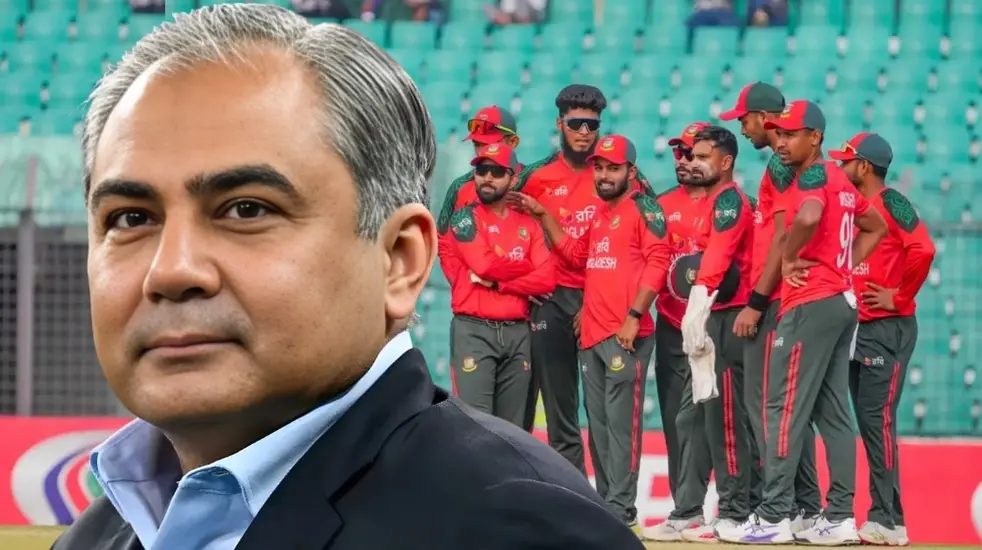
While Tareen observed from the sidelines, Walee Technologies, under the leadership of Group CEO Muhammad Ahsan Tahir, decisively seized the opportunity. This tech giant, previously recognized for securing International Media Rights for PSL 11, strategically secured the franchise with a monumental bid of Rs. 245 crore. Furthermore, this acquisition by Walee Technologies during the Multan Sultans auction marks the definitive conclusion of the Multan Sultans brand. The new ownership has confirmed a complete overhaul of the franchise identity, including its relocation and a forthcoming announcement regarding its new name and operational base in Rawalpindi.
The “Forward Path”: A Momentum Shift Towards Digital Integration
This outcome represents a clear Momentum Shift in Pakistani sports franchises. The entry of a technology firm like Walee Technologies, with its inherent innovative capacity, suggests a future where digital engagement, data analytics, and fan experience could be significantly enhanced. This move aligns the league with global trends of tech-driven sports investments, potentially optimizing operational efficiencies and expanding revenue streams. It is a structural evolution, moving beyond traditional ownership models towards a more integrated, digitally-forward sports ecosystem.
Community Sentiment Post-Multan Sultans Auction
Tareen’s “financial discipline” strategy did not resonate universally with the passionate fanbase. Following the auction, social media platforms experienced an influx of critical commentary and satirical content. Netizens, expressing their dissatisfaction, largely mocked the former owner for his perceived lack of effort to reacquire the franchise, despite his visible presence at the auction table. This disparity highlights the complex interplay between strategic business decisions and deeply rooted community expectations in the realm of professional sports.