The Translation (Clear Context): Understanding the Ahmed Shehzad PSL Snub
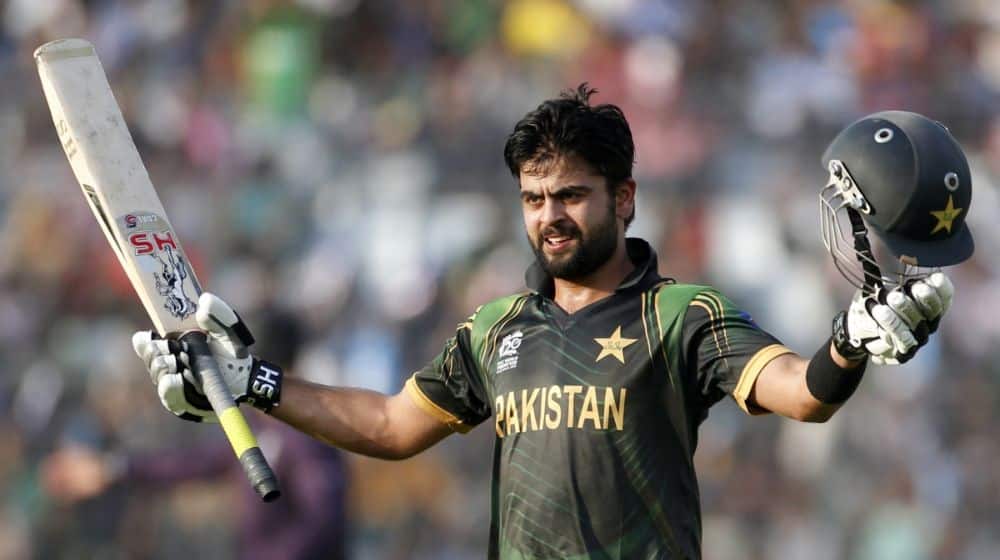
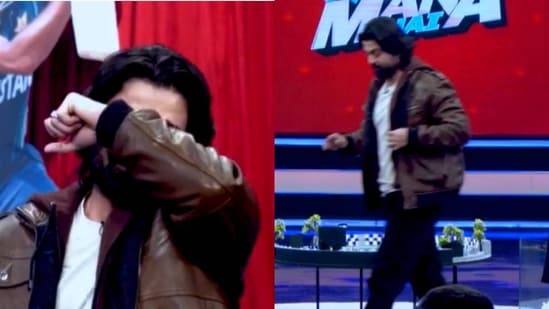
The recent emotional reflections of opening batter Ahmed Shehzad concerning his PSL snub underscore a critical juncture in athlete management and career transition within Pakistan’s robust cricket ecosystem. Shehzad’s candid statements on Geo News’ “Hasna Mana Hai” program highlight the profound psychological impact of sudden career shifts and the enduring desire to compete. This situation reveals a deeper, structural challenge regarding comprehensive player support beyond active participation.
Shehzad, at 34, articulates a profound hurt witnessing contemporaries still active while his own 18-year career concluded abruptly. He explicitly states, “Yes, I get emotional. It hurts me a lot. I want to play.” This perspective offers a precise baseline for understanding the extensive personal investment athletes make. Furthermore, he often contemplates the abrupt trajectory change, finding it profoundly difficult to process the sudden cessation of his active involvement in the sport. Consequently, these reflections frequently lead to moments of profound sadness.

A particularly poignant aspect of his situation involves his nine-year-old son. Shehzad reveals that his son often inquires about his past as a cricketer, questioning if he will adequately remember his father’s playing days. This interaction, a direct consequence of his current status after the Ahmed Shehzad PSL snub, presents the most significant emotional challenge for Shehzad. It quantifies the personal sacrifices inherent in professional sports.
The Socio-Economic Impact: Athlete Well-being and Public Perception
This development significantly influences the daily life of a Pakistani citizen, particularly aspiring young athletes and their families. It generates a national dialogue about career longevity, psychological support for professionals, and the transient nature of public careers. For students considering a professional sports career, Shehzad’s experience serves as a stark reminder of the rigorous mental fortitude required. Furthermore, professionals across various fields can relate to the challenge of adapting to unforeseen career pivots. Consequently, this scenario initiates a broader conversation about establishing more robust support systems for national figures post-career peaks.
Households in urban and rural Pakistan, where cricket is deeply embedded in the cultural fabric, witness the personal cost of high-stakes sports. This incident humanizes athletes, shifting the perception from mere performers to individuals facing profound personal struggles. Moreover, it actively encourages empathy and a deeper understanding of the pressures associated with national representation, influencing how the public views and discusses athletes’ careers beyond the playing field.
The “Forward Path”: Evaluating the Future of PSL Player Management
Shehzad’s 2023 retirement from the Pakistan Super League did not preclude his recent criticism of the Pakistan Cricket Board (PCB). He explicitly accused the PCB of leveraging his name for publicity during the PSL 10 draft, describing it as a “publicity move.” He questioned the rationale behind generating hype around his name post-retirement, asserting that certain PCB officials exploit players to create pre-tournament attention. This strategic exploitation fundamentally undermines player integrity.

Shehzad’s PSL career, spanning five seasons from 2016 to 2021, encompassed 45 matches where he precisely accumulated 1,077 runs with a strike rate of 120.06, including nine half-centuries. His structural critique of the PCB’s approach to player management, even after his retirement, indicates a systemic issue rather than an isolated incident. Therefore, this development represents a Stabilization Move. It highlights the urgent need for a more calibrated and respectful approach to player transitions and public relations within the national cricketing structure, preventing similar emotional distress and maintaining professional integrity post-Ahmed Shehzad PSL snub.