

Pakistan is poised for a significant structural recalibration in its monetary system. The federal cabinet is strategically evaluating a proposal to permanently replace the 10-rupee note replacement with a more durable coin. This calculated move, projected to yield substantial savings of up to Rs. 50 billion over the next decade, represents a core efficiency upgrade. Consequently, this initiative directly addresses the fiscal strain associated with the short lifespan of paper currency, aiming to stabilize national expenditure and foster sustainable economic practices.
The Operational Imperative: Why a 10-Rupee Note Replacement?
This critical decision stems from a comprehensive report jointly prepared by the State Bank of Pakistan (SBP) and the Pakistan Security Printing Corporation (PSPC). Presented to the cabinet by a high-level committee, the report meticulously details the operational inefficiencies of the current Rs. 10 note. Specifically, these notes possess an average lifespan of only 6 to 9 months. In stark contrast, a Rs. 10 coin can circulate effectively for 20 to 30 years. This longevity disparity highlights a significant cost-benefit imbalance in the current currency management framework.
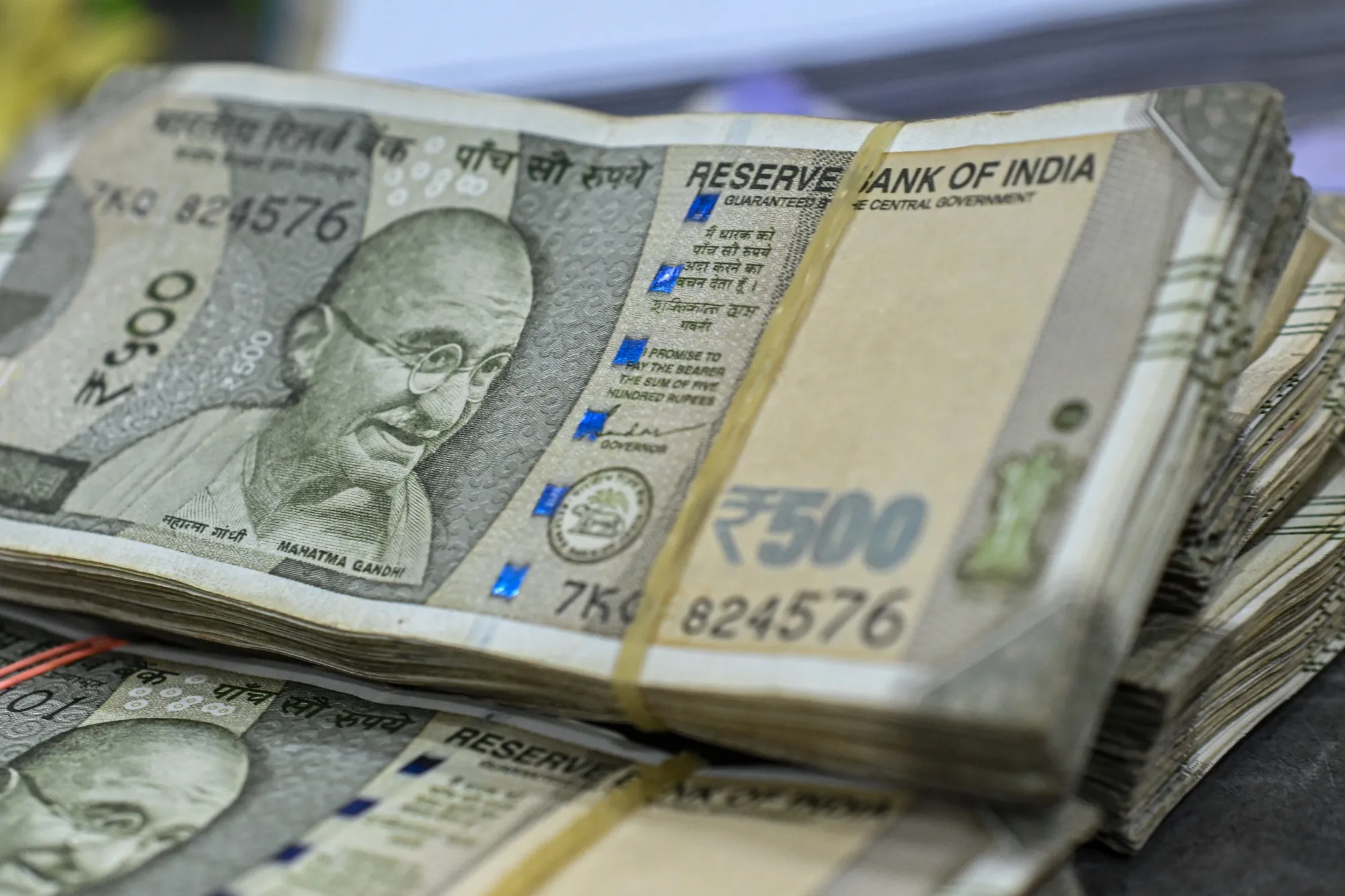
Furthermore, approximately 35 percent of all notes printed annually are Rs. 10 denominations. The estimated printing, exchange, and administrative costs for these short-lived notes range from Rs. 8 to 10 billion per year. The strategic shift to coins is therefore projected to unlock an estimated Rs. 40 to 50 billion in savings across a ten-year horizon. While initial coin production incurs higher upfront costs, their extended durability ensures a substantially more cost-effective solution in the long term, marking a pivotal transition towards fiscal prudence.
Calibrating Daily Life: Impact on Pakistani Citizens
This systemic change will subtly yet significantly impact the daily financial interactions of Pakistani citizens. For students and daily wage earners, the increased durability of coins means less wear and tear on their primary currency, potentially reducing instances of damaged or rejected notes. Professionals, too, will benefit from a more stable and readily available low-denomination currency for everyday transactions. In urban and rural areas alike, this 10-rupee note replacement fosters a more robust and reliable transactional environment, streamlining commerce for small businesses and consumers.
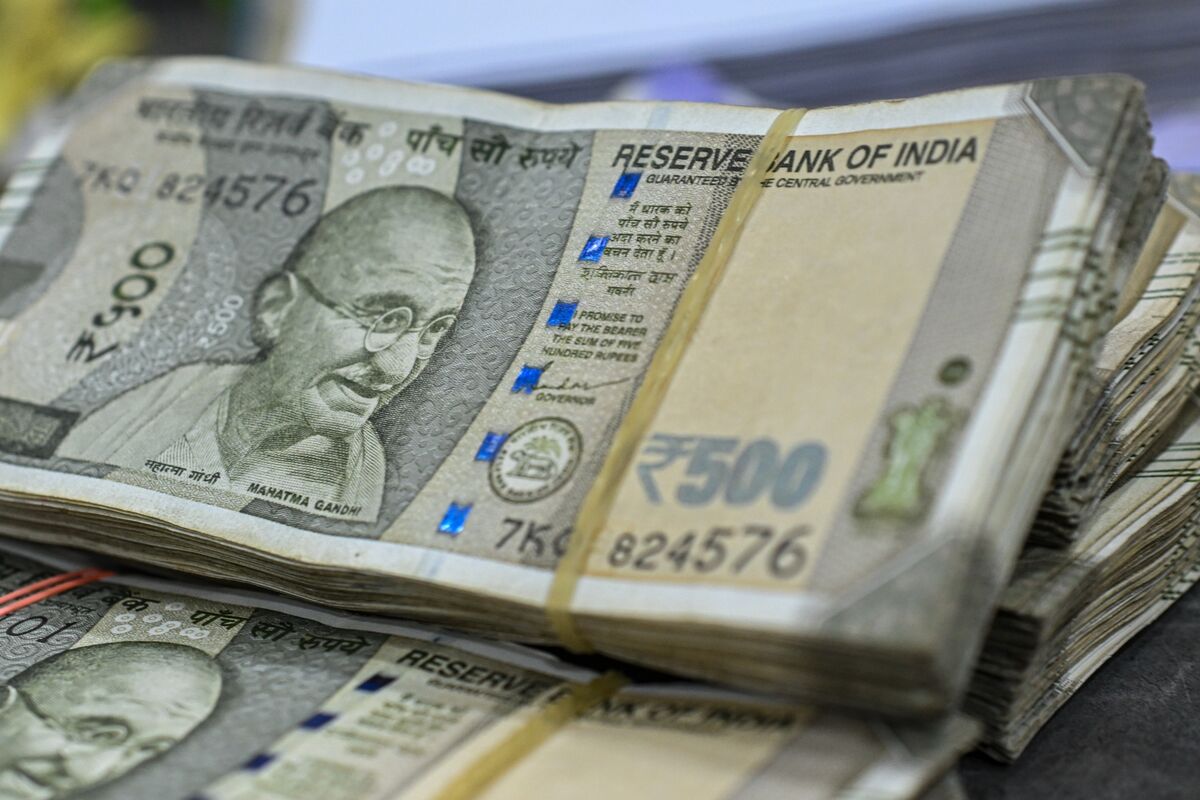
Consequently, the billions saved through this initiative can be strategically reallocated towards critical national development projects, impacting public services, infrastructure, or educational programs. This financial optimization directly translates into tangible improvements for households across Pakistan, underscoring the broader economic benefits beyond mere currency exchange. This is not just about changing a note; it’s about optimizing a core system for national benefit.
The Forward Path: A Momentum Shift for Fiscal Efficiency
This development undeniably represents a Momentum Shift for Pakistan’s financial infrastructure. The systematic phasing out of Rs. 10 notes over the next three years, aligning with legal procedures under the State Bank Act, demonstrates a proactive and data-driven approach to national resource management. Global precedents, with countries like the UK, Canada, and Australia having already converted low-denomination notes into coins, validate this strategic direction. Furthermore, authorities acknowledge that reducing paper note printing directly supports vital green banking initiatives, integrating environmental responsibility with economic policy.

Ultimately, this initiative is a precise structural adjustment, optimizing the cost-effectiveness and longevity of our national currency. It reflects a commitment to efficient resource allocation and sustainable practices, laying a stronger baseline for future fiscal stability.








