Optimizing Aerial Security: The Punjab Drone Ban
In a decisive move, the Punjab government has enacted an immediate and complete Punjab drone ban on outdoor drone flying across the province for a calibrated 30-day period. This strategic intervention directly addresses prevailing public safety and security risks. Consequently, this measure aims to mitigate potential threats, ensuring the structural integrity of public order and safeguarding sensitive installations.
The Translation: Deconstructing the Drone Flying Ban
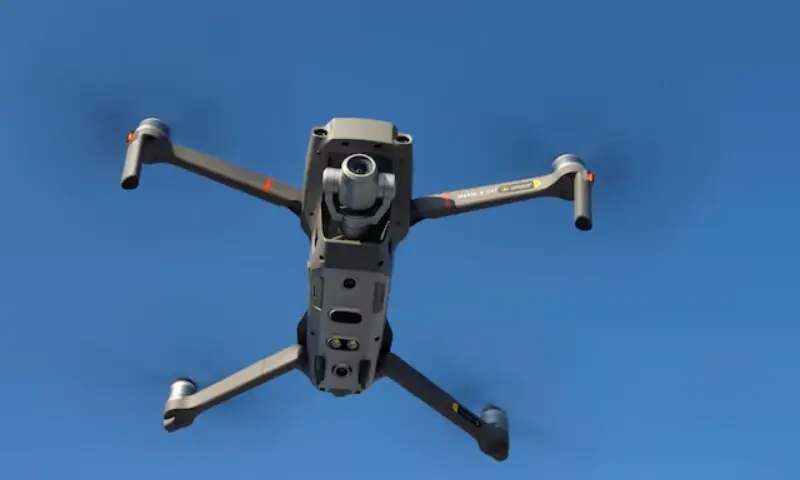
The Punjab Home Department issued this notification under Section 144 (6) of the Code of Criminal Procedure, 1898. This legal framework empowers the government to take immediate action in situations posing a threat to public tranquility. This 30-day restriction applies broadly to all unmanned aerial vehicles (UAVs) operated outdoors. However, it explicitly exempts small drones utilized for indoor events, such as those within halls or marquees. Furthermore, intelligence and law enforcement agencies maintain their operational capacity, ensuring that critical security functions remain unimpeded. This precise delineation prevents unnecessary disruption while bolstering public safety protocols.
The Socio-Economic Impact: Daily Life Under UAV Restrictions
This Punjab drone ban directly impacts various facets of daily Pakistani life, particularly concerning privacy and public gathering security. For professionals in fields like real estate, photography, or agriculture who utilize drones, this ban necessitates a temporary halt in outdoor aerial operations, potentially influencing project timelines. Students engaged in robotics or aerial photography will also experience temporary restrictions on their practical work. Households in both urban and rural settings benefit from enhanced security baselines, as the potential for unregulated aerial surveillance or disturbance is minimized. Ultimately, the objective is to cultivate a more secure environment, fostering peace and stability for all citizens by systematically reducing identified aerial risks.
Structural Rationale: Why This Security Measure is Crucial
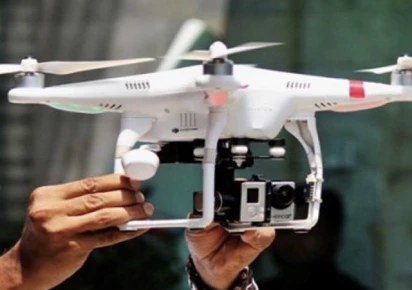
Credible reports and current environmental assessments indicate that the escalating and unregulated deployment of drones presents significant risks. These include potential threats to public safety, private property, and the meticulous maintenance of public order. Authorities have specifically highlighted that unchecked drone activity could obstruct official duties, generate substantial law and order challenges, and disrupt the peaceful atmosphere essential for provincial stability. Consequently, the government has characterized this drone restriction as an essential measure. Its primary purpose is to secure both citizens and critical installations, thereby proactively preventing any untoward incidents that could compromise national advancement.
The Forward Path: A Momentum Shift in Security Protocols
This decisive action represents a clear Momentum Shift towards advanced, proactive security protocols within Punjab. It aligns strategically with Chief Minister Maryam Nawaz’s recent approval of an anti-drone unit, specifically designed to counter potential terrorist threats. Furthermore, the directive for installing modern digital scanners at all entry and exit points across the province reinforces this systemic upgrade. These integrated measures signify a calibrated commitment to leveraging technology for enhanced national security, moving beyond reactive responses to establish a robust, preventative defense architecture. This integrated approach elevates the baseline for public safety and ensures a more secure future.