The England and Wales Cricket Board (ECB) has issued a structural reaffirmation, declaring that Pakistani players in The Hundred will not face discrimination during selection. This decisive statement directly addresses earlier reports suggesting potential oversight due to perceived political tensions with India. Consequently, the ECB’s commitment ensures that all player selections for the upcoming draft will be based solely on cricketing performance, availability, and team requirements, fostering a baseline of equitable opportunity.
Calibrating Fair Play: The ECB’s Structural Stance
Last week, significant concerns emerged within the cricketing community. Reports indicated that four Indian-owned franchises—Manchester Super Giants, MI London, Southern Brave, and Sunrisers Leeds—were reportedly not considering Pakistani athletes for the imminent player draft. This created a perception of potential bias, necessitating a swift and clear response from the governing body.
In response, the ECB proactively released a definitive statement. The board, alongside all eight Hundred team franchises, explicitly reaffirmed their collective commitment. They stated, “The Hundred continues to be a competition that is inclusive, welcoming and open to all.” Furthermore, this declaration emphasized a crucial operational directive: “All eight teams commit to selection being based solely on cricketing performance, availability, and the needs of each team.” This precision aims to standardize the selection process, guaranteeing a merit-based system.
The Translation: Upholding Meritocracy in Cricket
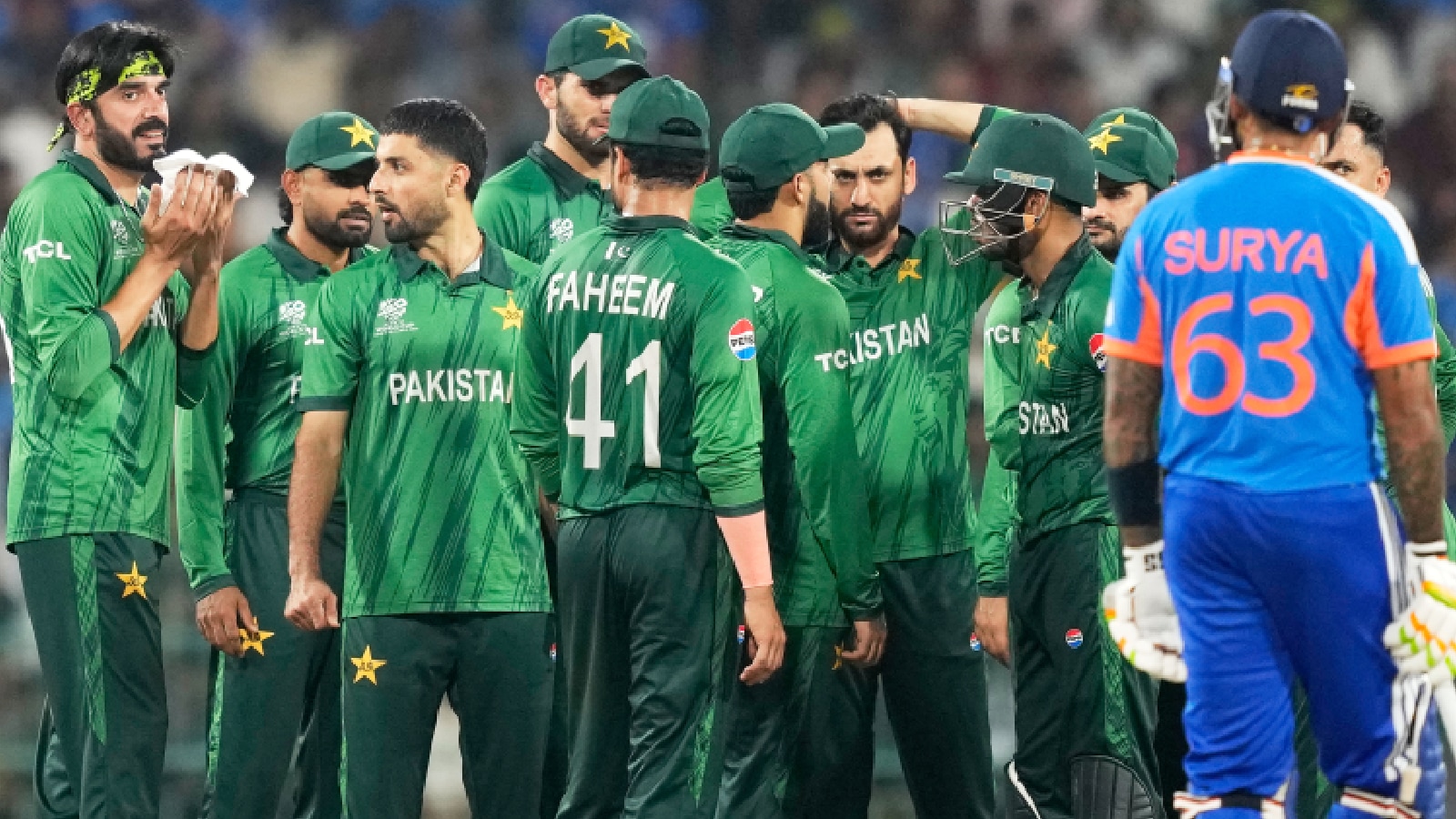
For players and fans alike, this ECB pronouncement clarifies the operational framework. It unequivocally dictates that nationality or external political factors will not influence selection for The Hundred. Instead, the focus remains firmly on athletic capability and suitability for the team’s strategic objectives. Consequently, the 67 Pakistani players—63 men and four women—who have entered the draft pool can now anticipate a fair evaluation. This ensures that the potential for Pakistani players in The Hundred is maximized, upholding a crucial standard of non-discrimination. The draft, scheduled for March 11 and 12 in London, will now proceed under this calibrated principle.
Historically, Pakistani cricketers have been excluded from the Indian Premier League (IPL) since 2009 due to diplomatic complexities. With several IPL owners now holding stakes in international leagues, concerns naturally amplified regarding similar limitations. Former England captain Michael Vaughan critically urged the ECB to intervene. He asserted that as the league’s owner, the ECB bears the direct responsibility to prevent any discriminatory practices. Vaughan furthermore highlighted the ECB’s stated goal of making cricket England’s most inclusive sport, arguing that such inclusivity demands equitable treatment for all prospective players.
The Socio-Economic Impact: Opportunities for Pakistani Talent
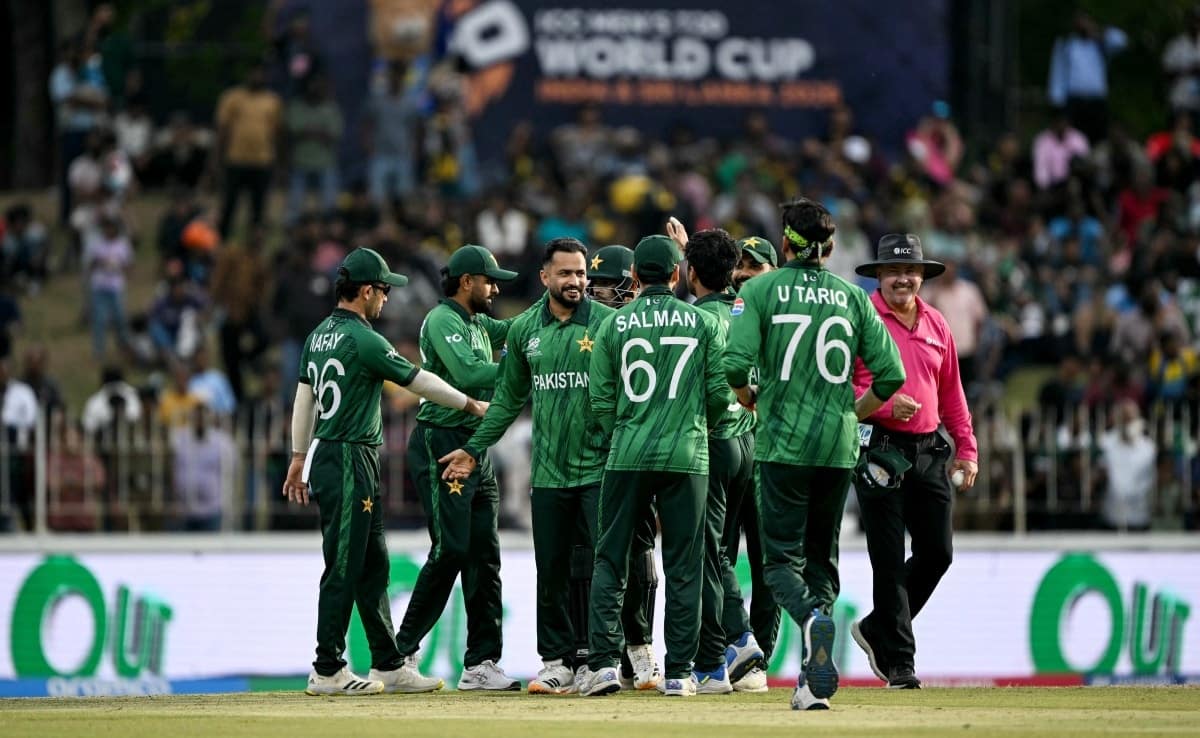
This commitment from the ECB has tangible socio-economic implications for Pakistan. For young, aspiring cricketers, it represents a vital pathway to international exposure, professional development, and financial stability. Participation in a high-profile league like The Hundred significantly elevates a player’s global profile, offering career-altering opportunities. Furthermore, this opens avenues for talent scouting, potentially leading to lucrative contracts and further international engagements. At a national level, the inclusion of Pakistani players in The Hundred strengthens Pakistan’s reputation in global sports, fostering national pride and inspiring future generations of athletes.
The financial gains for individual players can be substantial, supporting not only their immediate families but also contributing to local economies through investment and job creation. Conversely, the exclusion would have stifled potential income streams and limited crucial competitive experience. Therefore, the ECB’s stance creates a more robust economic baseline for cricketing talent development within Pakistan, ensuring a fairer competitive landscape for athletes.
The “Forward Path”: A Momentum Shift for Sporting Equity
This development signifies a Momentum Shift rather than mere maintenance. The ECB’s proactive intervention, directly addressing market concerns, establishes a critical precedent for sporting equity. It asserts the paramount importance of merit over external geopolitical considerations within the cricketing ecosystem. By firmly rejecting discriminatory pressures, the ECB has demonstrated a structural commitment to its foundational principles of inclusivity. This act reinforces the integrity of the sport and ensures that opportunities are genuinely open to all, based purely on skill and performance. It is a strategic move to safeguard the global appeal and ethical standing of The Hundred.