The Capital Development Authority (CDA) has initiated a strategic plan for CDA Slum Upgradation in Islamabad. This pivotal decision targets the formal integration and enhancement of recognized katchi abadis, or informal settlements, specifically those located in key sectors such as F-6, F-7, and G-7. This move systematically extends essential facilities and critical infrastructure, marking a significant recalibration of urban planning within the capital.
The Translation: Calibrating Urban Integration
This initiative represents more than mere development; it signifies a structured effort to formalize informal urban zones. The CDA board, under Chairman Mohammad Ali Randhawa, has approved new regulations to embed these established settlements, recognized between 1995 and 2004, into Islamabad’s official planning framework. Consequently, only residents identified in a baseline survey conducted up to December 31, 2002, will be officially entitled to benefits. This precision-focused approach aims to prevent future unauthorized expansions while addressing current community needs.
Socio-Economic Impact: Elevating Daily Life for Pakistani Citizens
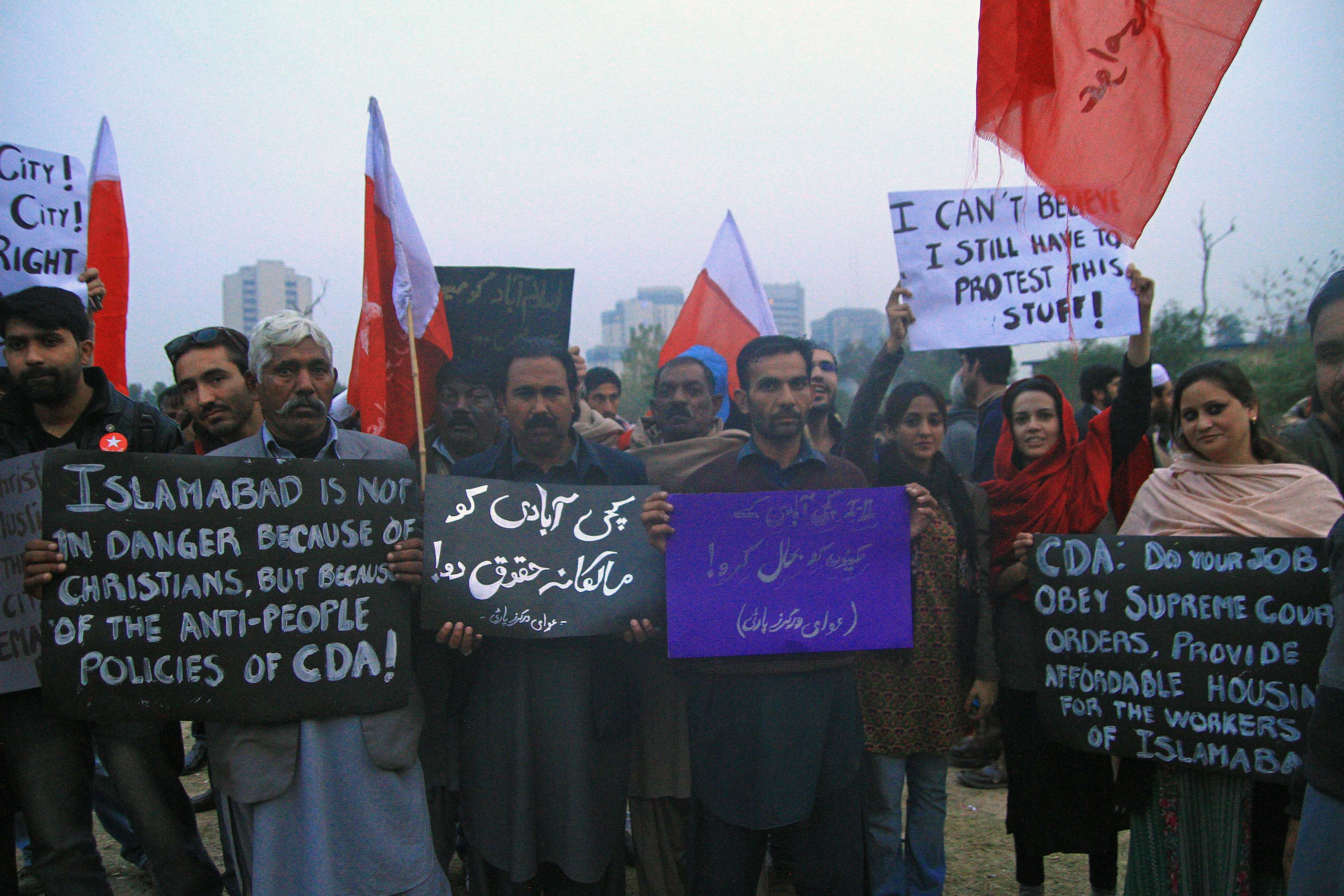
This CDA Slum Upgradation directly enhances the daily lives of thousands residing in Islamabad’s informal settlements. For students, access to improved infrastructure means better educational environments and safer commutes. Professionals will experience elevated living standards and reduced social stigma. Furthermore, households in these urban areas will gain access to fundamental amenities, leading to a tangible uplift in quality of life. This structural intervention promises better integration, fostering a more equitable urban landscape for all.
Strategic Enhancements for CDA Slum Upgradation
The Spatial Directorate of CDA’s Planning Wing will conduct a fresh survey, generating precise data for subsequent upgradation and resettlement schemes. These schemes are designed for comprehensive community development. Specifically, planned measures include:
- Provision of essential amenities like water, sanitation, and electricity.
- Beautification initiatives to enhance neighborhood aesthetics.
- Construction and systematic repair of critical roads and streets.
- Improved integration of these settlements into Islamabad’s broader urban plan.
Chairman Randhawa emphasized that these steps are calibrated to encourage organized urban planning, which is a structural necessity for sustainable growth in the federal capital. This ensures that development is not only responsive but also forward-thinking.

The Forward Path: A Momentum Shift for Urban Governance
This development undeniably represents a Momentum Shift. Historically, Islamabad has managed 10 officially approved slums, with some residents relocated to areas like Frash Town. However, challenges persisted, including unauthorized expansion and illegal construction. The recent enforcement actions in Muslim Colony underscore the CDA’s commitment to precision in urban management. This new, formalized approach towards CDA Slum Upgradation is a catalyst for systemic improvement, moving from reactive measures to proactive, integrated urban governance. It sets a baseline for future planned urban development.