
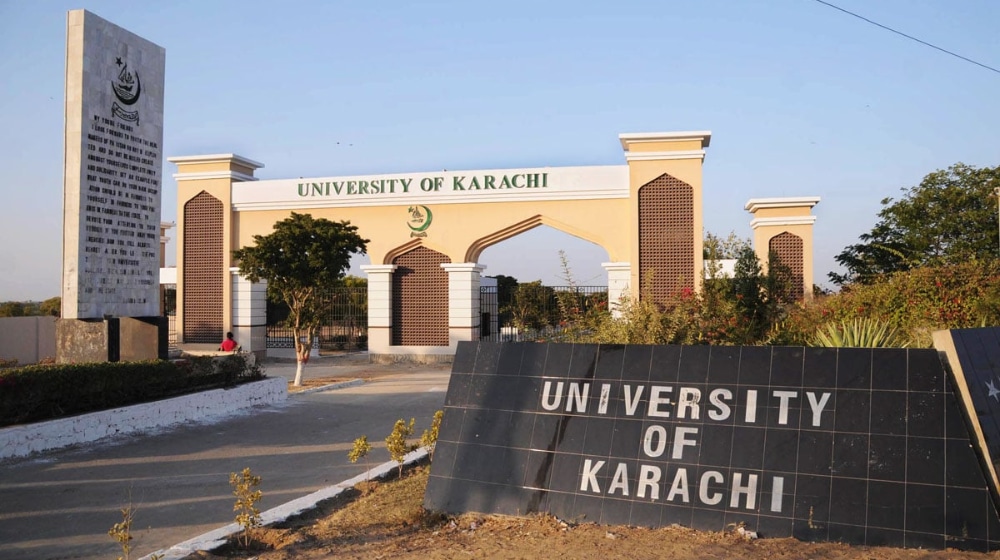
In a structural move towards national digital advancement, the University of Karachi (KU) has strategically mandated a three-credit-hour Karachi University AI Course for all degree programs, effective from the academic session of 2027. This pivotal decision, emerging from a recent Academic Council meeting and aligning with Higher Education Commission (HEC) directives, signifies a proactive calibration of Pakistan’s educational framework to integrate core artificial intelligence competencies across all disciplines. Consequently, this initiative positions future graduates with essential AI literacy, establishing a foundational baseline for navigating an increasingly technology-driven global landscape.
The Translation: Strategic Integration of AI Education
The Higher Education Commission (HEC) has issued precise guidance, compelling universities nationwide to embed artificial intelligence into their core curricula. Karachi University’s Academic Council, chaired by Vice Chancellor Prof. Dr. Khalid Mahmood Iraqi, systematically deliberated on this directive. Furthermore, this body concluded that a universal AI course is not merely a compliance step but a critical investment in future-proofing Pakistan’s human capital. The council has since formed a six-member committee, led by Prof. Dr. Sadiq Ali Khan, to meticulously outline the implementation roadmap, ensuring a seamless and effective integration of the new curriculum.
Socio-Economic Impact: Empowering Pakistan’s Future Workforce
This structural change directly impacts the daily lives of Pakistani citizens, particularly students and aspiring professionals. For urban students, it ensures competitive readiness in a global job market demanding digital proficiency. In contrast, for those in rural areas aspiring for higher education, it democratizes access to advanced technological skills, bridging the digital divide. Consequently, graduates from Karachi University will possess a baseline understanding of AI applications, from data analysis to ethical considerations, which is vital for innovation across sectors like healthcare, agriculture, and industry. This initiative serves as a catalyst for economic growth, generating a more agile and technologically literate workforce capable of contributing significantly to Pakistan’s digital economy.
The Forward Path: A Momentum Shift for National Advancement
This development undeniably represents a Momentum Shift for Pakistan’s educational and economic trajectory. By mandating the Karachi University AI Course, the institution is not merely maintaining academic standards but is proactively shaping a future where AI literacy is a universal skill. This strategic foresight prepares an entire generation to innovate, problem-solve, and lead within the complex digital ecosystem. Therefore, this decision acts as a foundational pillar for national advancement, signaling a clear commitment to fostering a technically proficient and competitive populace.








