

Pakistan is strategically launching its inaugural deregulated energy market next month, a critical step towards fulfilling key International Monetary Fund (IMF) benchmarks. This initiative is engineered to provide the cheapest industrial electricity ever recorded for specific consumer segments, directly addressing operational cost efficiencies for national industries. This structural reform is a pivotal development for Industrial Electricity Pakistan.
The Translation: Deconstructing Pakistan’s Deregulated Energy Market
This structural reform, slated to commence in March 2026, will initially introduce 200 MW of electricity for competitive auction. Specifically, the deregulated system will service B3 and B4 industrial consumers, crucially eliminating capacity charges currently levied on electricity within this segment. Consequently, this precise adjustment is set to recalibrate industrial expenditure on power, fostering a more competitive economic landscape.

Independent market operators will meticulously manage electricity trading. Initially, supply targets large consumers requiring a minimum of 1 MW. Projections indicate a systematic expansion, with the total market supply anticipated to reach 800 MW over the next four years. Furthermore, this controlled expansion underscores a commitment to robust, scalable energy infrastructure within Industrial Electricity Pakistan.
Socio-Economic Impact: Calibrating Daily Life and Industrial Growth
For Pakistani professionals and businesses, this deregulated market signifies a substantial reduction in energy overheads. Large industrial consumers will now incur only installation charges from electricity providers, while Distribution Companies (Discos) will collect wiring fees for grid utilization. This streamlined cost model directly impacts profitability and operational stability.
Rates are strategically set at Rs. 6 per unit for B3 consumers and Rs. 9 per unit for B4 consumers. Subsequently, these segments will access the most economically viable electricity available in the market. This structural cost advantage is designed to enhance the competitiveness of local industries, potentially leading to increased production, job creation, and overall economic vibrancy across both urban and rural industrial zones. For instance, textile mills or manufacturing units in Lahore and Karachi could experience significant operational savings, a direct benefit of advanced Industrial Electricity Pakistan policies.
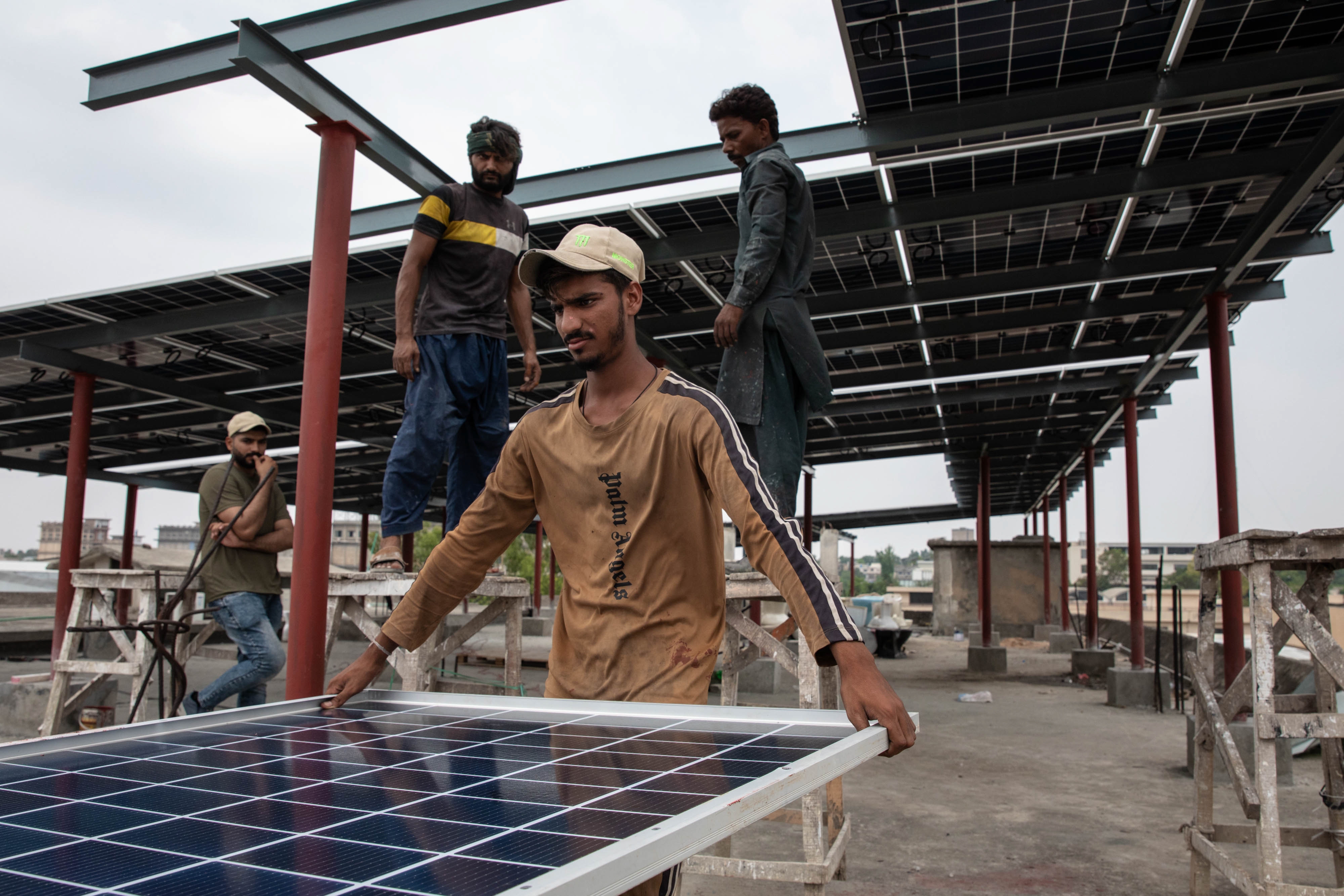
The Forward Path: A Momentum Shift for Pakistan’s Energy Future
This strategic move unequivocally represents a Momentum Shift for Pakistan’s energy sector. By directly addressing the IMF’s demands through a calibrated market deregulation, the nation is establishing a baseline for sustainable industrial growth. The introduction of the cheapest industrial electricity is not merely a tariff adjustment; it is a fundamental structural reform designed to optimize resource allocation and stimulate economic advancement.

The establishment of independent operators and the phased expansion plan indicate a well-considered trajectory towards a more efficient and responsive energy ecosystem. This institutional strengthening is a catalyst for long-term economic stability and a more competitive standing for Pakistani industries on the global stage. Therefore, this development lays a critical foundation for national progress and system efficiency.









