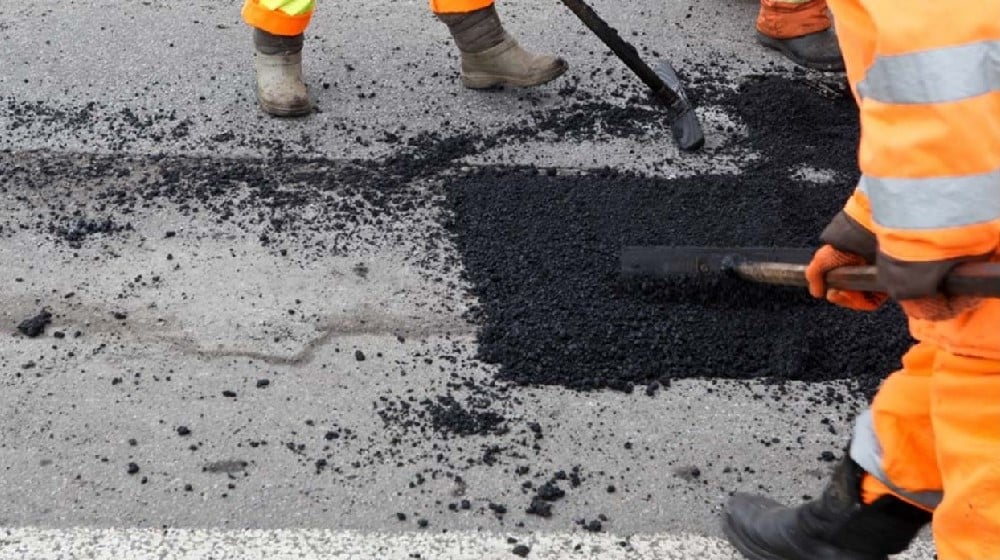
Catalyzing Urban Mobility: Strategic Karachi Road Development Initiatives
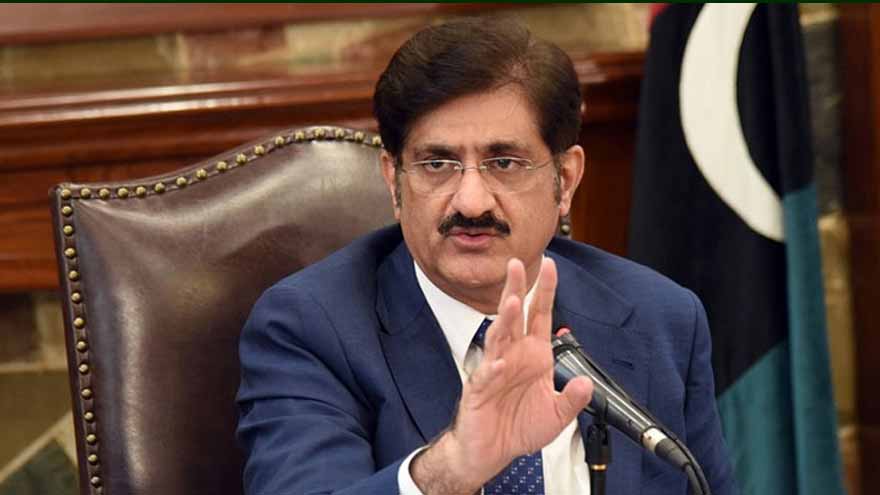
The Sindh Government has strategically approved a substantial investment of Rs8.53 billion, directly earmarking these funds for critical Karachi road development. This calibrated allocation focuses on the repair and carpeting of the city’s vital road networks. This structural decision, originating from a recent cabinet meeting chaired by Sindh Chief Minister Syed Murad Ali Shah, directly addresses urban infrastructure deficiencies, ensuring enhanced connectivity and operational efficiency across the metropolis. Furthermore, the cabinet’s endorsement of recommendations from Local Government Minister Syed Nasir Hussain Shah, meticulously reviewed by the finance committee, underscores a collaborative and data-driven approach to municipal upliftment.
The Translation: Accelerating Karachi’s Infrastructure Renewal
This approval signifies a precise commitment to Karachi’s foundational infrastructure. Essentially, it means dedicated capital is now flowing to rehabilitate the city’s extensive road system. This move is not merely about maintenance; it represents a strategic upgrade, aiming to resolve long-standing issues of road quality and traffic flow. Consequently, this investment acts as a catalyst for improving daily commutes and supporting the city’s commercial arteries. The technical approval process involved multiple layers of review, ensuring that resource allocation aligns with documented urban planning needs.
Socio-Economic Impact: Enhanced Connectivity for Citizens and Commerce
For the average Pakistani citizen in Karachi, this initiative translates directly into tangible daily improvements. Students will experience smoother, safer routes to educational institutions, potentially reducing travel times. Professionals will benefit from more efficient commutes, thereby increasing productivity and reducing transportation-related stress. Additionally, businesses across urban and rural sectors relying on Karachi’s logistical networks will observe enhanced efficiency in goods movement, driving economic growth. This infrastructure upgrade is a baseline improvement that touches every segment of society, from household mobility to industrial supply chains.
Additional Strategic Financial Deployments
Beyond the primary road infrastructure focus, the provincial cabinet sanctioned several other critical financial allocations, reflecting a broader governmental commitment to societal well-being and systemic resilience. These approved initiatives include:
- Rs7 billion allocated for compensation to victims of the unfortunate Gul Plaza fire incident, demonstrating a proactive stance on citizen welfare.
- Rs1.57 billion dedicated to the preservation of a historic architectural landmark on I.I. Chundrigar Road, safeguarding cultural heritage.
- A substantial Rs5.20 billion grant provided to the Hyderabad Municipal Corporation, aimed at bolstering regional urban services.
- Rs560 million directed to the Sindh Police, specifically to support operational efficacy in riverine (katcha) areas, enhancing law enforcement capabilities.
- Rs900 million designated for Phase II of the People’s IT Program and comprehensive youth training initiatives, investing in future human capital and digital literacy.
The Forward Path: A Strategic Stabilization Move for Urban Development
This comprehensive financial approval package, particularly the substantial commitment to Karachi road development, represents a crucial Stabilization Move rather than an immediate “Momentum Shift.” It precisely addresses existing infrastructure deficits and bolsters municipal capacity. While these actions are foundational and essential for maintaining urban functionality, the true “Momentum Shift” will materialize from continuous, calibrated investments in innovative urban planning, public transport expansion, and smart city technologies. This current phase establishes a robust baseline for future advancements, demonstrating a disciplined approach to systemic improvement.
Precision in Market Oversight: Ramadan Price Control Mandates
Concurrently, during the cabinet meeting, the Chief Minister issued precise directives for stringent price control measures, specifically targeting the holy month of Ramadan. He explicitly mandated assistant commissioners to maintain an active field presence, ensuring the availability of essential commodities at officially notified rates. This proactive measure aims to stabilize market dynamics and protect consumers from inflationary pressures, reflecting a commitment to economic stability and social equity during a period of heightened demand.