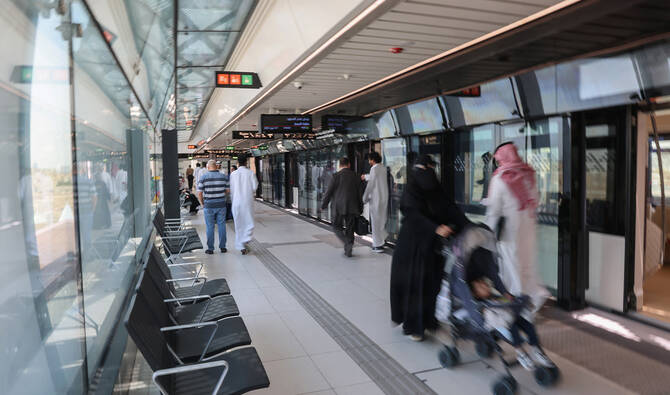
This year, Pakistan is enabling thousands of its Hajj pilgrims to utilize the Haramain High-Speed Railway for faster travel between Makkah and Madinah. This strategic integration, part of final preparations for Hajj 2026, will significantly reduce transit times from typical bus journeys of six to eight hours to less than two and a half hours. Consequently, this initiative establishes a new baseline for efficient Hajj train travel, optimizing the pilgrimage experience.
Calibrating Pilgrim Logistics: The Haramain Railway Initiative
The Haramain High-Speed Railway is a critical infrastructure asset linking Makkah and Madinah via Jeddah and King Abdullah Economic City, covering a precise 453-kilometer route. These trains operate at a calibrated speed of up to 300 km/h, dramatically decreasing travel duration. Furthermore, this advanced system offers pilgrims a more comfortable and expedited journey compared to traditional road transport.
The Translation: Expedited Spiritual Journeys
The Haramain Railway fundamentally transforms pilgrim movement. Instead of enduring lengthy bus travel, pilgrims can now cover vast distances in a fraction of the time. This operational efficiency is not merely about speed; it’s about minimizing physical exertion and maximizing spiritual focus during the sacred journey.
The Socio-Economic Impact: Enhanced Access and Efficiency
For Pakistani citizens undertaking Hajj, this development translates directly into improved physical well-being and reduced travel fatigue. Students and professionals can return to their routines more swiftly post-Hajj. Moreover, the increased efficiency of pilgrim transit contributes to a smoother overall Hajj operation, benefiting both urban and rural Pakistani households by ensuring a less strenuous pilgrimage for their family members.
The “Forward Path”: A Momentum Shift
This initiative represents a definitive “Momentum Shift” for Pakistan’s Hajj management. By strategically leveraging modern infrastructure, the nation is proactively enhancing pilgrim welfare and logistical precision. This move sets a benchmark for future collaborative advancements in pilgrim services.

Precision in Passage: A Pilot Project for Enhanced Experience
The Ministry of Religious Affairs and Interfaith Harmony confirms that this year’s introduction of the Haramain High-Speed Railway for Pakistani pilgrims will be a trial. A spokesperson stated that the exact number of participants in this pilot project will be announced soon. This controlled rollout ensures calibrated integration and optimal service delivery.
Beyond transportation, the pilot project extends its scope to include comprehensive logistics. This encompasses seamless transport from hotels directly to train stations, alongside dedicated luggage handling services. Consequently, pilgrims will experience a streamlined and stress-free journey from accommodation to destination.
The Translation: Integrated Pilgrim Support
This pilot project signifies a structural upgrade in pilgrim support. It moves beyond simple transport, offering an integrated system that manages key logistical elements. Pilgrims gain the benefit of end-to-end service, significantly reducing personal management burdens.
The Socio-Economic Impact: Reduced Stress and Improved Well-being
Pakistani pilgrims, particularly the elderly or those with families, will experience a marked reduction in travel-related stress. The convenience of dedicated transfers and luggage services directly enhances their comfort and allows for greater focus on their spiritual duties. This refinement directly improves the quality of the Hajj experience for thousands of citizens.
The “Forward Path”: A Momentum Shift
Introducing such an integrated pilot project indicates a clear “Momentum Shift.” Pakistan is not merely adopting new infrastructure; it is strategically refining the entire pilgrim journey. This approach reflects a commitment to innovation and elevated service standards.

Strategic Quota and Operational Readiness for Hajj 2026
Pakistan’s Hajj quota for this year totals 179,210 pilgrims. Specifically, 119,210 individuals will travel under the government scheme, while 60,000 will utilize private tour operators on a first-come, first-served basis. Officials project the first Hajj flight will depart for Saudi Arabia in mid-April, marking the commencement of the pilgrimage phase.
Authorities have mandated pilgrims to participate in the second phase of training sessions, which will commence immediately after Eid Al-Fitr. The Religious Affairs Secretary confirmed that 183 workshops have already been conducted across 107 cities. These sessions provide essential education on Hajj rituals and administrative procedures, ensuring pilgrim readiness.
Furthermore, Hajj Director-General Abdul Wahab Soomro has affirmed that accommodation arrangements in Makkah and Madinah are now secured and represent an improvement over previous years. Preparations for accommodation and transport in Mina and Arafat, in addition to food services, are in their final stages. Vaccinations, air ticketing, and visa issuance are also set to begin shortly.
Pakistan dispatches one of the world’s largest Hajj contingents annually. This requires extensive, calibrated coordination with Saudi authorities to precisely manage logistics, secure appropriate accommodation, and deliver comprehensive pilgrim services.
The Translation: Structured Pilgrimage Framework
This data outlines a robust, multi-faceted framework for Hajj operations. From quota allocation to extensive training and meticulously planned logistics, every element is designed to ensure a structured and well-supported pilgrimage. It reflects a systematic approach to managing a massive logistical undertaking.
The Socio-Economic Impact: Assured and Prepared Pilgrimage
Pakistani citizens preparing for Hajj can proceed with confidence, knowing that a comprehensive system supports their journey. The mandatory training equips them with necessary knowledge, reducing uncertainties. Secure accommodation and transport plans alleviate significant concerns for families, fostering a more serene and prepared spiritual experience across all demographics.
The “Forward Path”: A Stabilization Move
These preparations signify a “Stabilization Move.” While incorporating new elements like the Haramain Railway, the broader operational readiness demonstrates a consistent, disciplined effort to maintain high standards for a consistently large contingent. It’s about refining established processes to achieve optimal efficiency.