The ambitious Rawalpindi underpasses project, valued at Rs. 8 billion, is now underway on Peshawar Road, marking a significant urban infrastructure advancement. Authorities have precisely relocated 469 trees and 715 shrubs to mitigate environmental impact, demonstrating a calibrated approach to development. This initiative reflects a broader national directive to prioritize ecological stewardship alongside essential infrastructure expansion.
The Translation: Strategic Green Infrastructure Integration
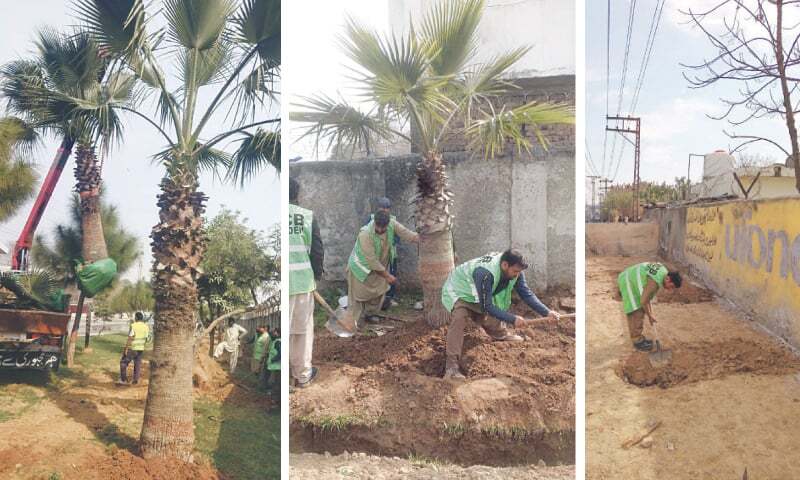
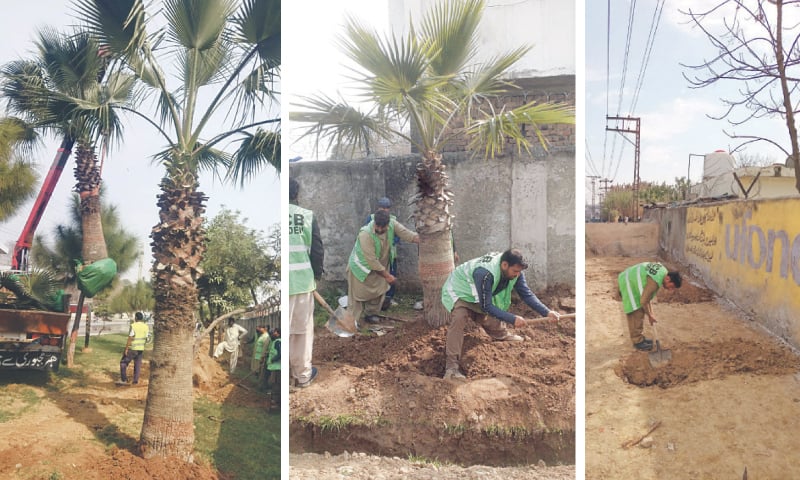
The commencement of three new underpasses in Rawalpindi necessitates significant land preparation. Consequently, 469 trees and 715 shrubs from Peshawar Road’s central median and roadside, specifically between Qasim Market and Chairing Cross, underwent a complex relocation. This process avoids the indiscriminate felling observed in past projects, like those in Shakarparian, Islamabad. The federal and Punjab governments have mandated this shift, prioritizing environmental preservation during urban development. Furthermore, the Rawalpindi Cantonment Board, under Executive Officer Amir Rasheed, meticulously moved these plants for replanting within and around the Peshawar Road corridor. A structural approach ensures project progression without compromising ecological assets.

Specific tree species, including pilkan, sheesham, alstonia, and peepal, were part of this intricate transplantation. This careful selection ensures that native biodiversity is largely preserved. The Environmental Protection Agency Punjab also recommended a critical compensatory planting strategy: ten new trees for every dead one removed from the site. This directive establishes a baseline for future green initiatives, fostering sustainable urban development practices. Precision engineering guides both construction and environmental safeguarding.
The Socio-Economic Impact: Enhancing Urban Mobility and Green Spaces
This Rawalpindi underpasses project directly impacts the daily commute for thousands of Pakistani citizens. Reduced traffic congestion on Peshawar Road will translate into significant time savings for professionals, students, and families. This efficiency gain, therefore, improves overall urban mobility. For instance, less time spent in traffic means more productive hours for professionals and increased study time for students. The strategic tree relocation, moreover, ensures that while infrastructure expands, green spaces are not diminished but rather intelligently repositioned and augmented.
The commitment to plant ten new trees for each removed dead tree signifies a long-term investment in environmental health. This structural policy cultivates a healthier urban ecosystem for residents. Cleaner air and enhanced aesthetics contribute to an improved quality of life for households in both urban and adjacent rural areas. Ultimately, this balanced development model aims to foster both economic growth and environmental stewardship for future generations. The integration of ecological considerations sets a new standard.
The “Forward Path”: A Momentum Shift Towards Sustainable Infrastructure
This development represents a clear “Momentum Shift” for Pakistan’s urban planning paradigm. The directive from federal and provincial governments to preserve and relocate trees, rather than simply felling them, indicates a maturation in national infrastructure strategy. It signifies an evolving understanding that progress must not come at an irrecoverable environmental cost. Consequently, the approach taken in Rawalpindi sets a crucial precedent for future large-scale projects nationwide. This strategic pivot ensures a more holistic developmental blueprint.
The rapid completion target of 70 days post-Eidul Fitr, following the shifting of electricity pylons by Islamabad Electric Supply Company, demonstrates a focused execution strategy. This operational efficiency is paramount for minimizing disruption. Furthermore, the proactive growth of additional plants in the Cantonment Board’s nursery exemplifies forward-thinking environmental management. This project is a baseline for future sustainable infrastructure development, where precision in planning and execution optimizes both economic and ecological outcomes. It is a strategic move towards a more resilient urban future.
Concluding Perspectives: Calibrating Progress for a Greener Tomorrow
The Rawalpindi underpasses project is a testament to Pakistan’s commitment to balanced progress. By integrating advanced infrastructure with rigorous environmental protocols, the nation establishes a new standard for urban development. This calibrated approach ensures that critical projects enhance connectivity while preserving vital green assets. The systematic relocation and compensatory planting initiatives underscore a national dedication to sustainable growth. Future projects will undoubtedly leverage these structural insights, ensuring that every development contributes to both economic vitality and ecological resilience.