

To strategically elevate healthcare efficiency, Punjab Chief Minister Maryam Nawaz has directed the establishment of advanced Rawalpindi Filter Clinics in three major government hospitals: Holy Family Hospital, Benazir Bhutto General Hospital, and Rawalpindi Teaching Hospital. This structural initiative, inspired by the PIMS Hospital model, is a calibrated move to significantly reduce the direct burden on emergency rooms and outpatient departments, thereby ensuring more rapid and precise patient care across the region.
The Translation: Streamlining Patient Pathways
This directive translates into a fundamental recalibration of patient management within Rawalpindi’s public health infrastructure. Previously, all incoming patients, regardless of the severity of their condition, often converged on emergency rooms or general outpatient departments. Consequently, this led to congestion, extended waiting times, and a potential delay in critical care for those truly in need. The introduction of Rawalpindi Filter Clinics establishes an initial assessment point. Patients with minor ailments will receive prompt treatment and may be discharged, while those requiring specialized intervention will be efficiently directed to the appropriate department, optimizing resource allocation.
Socio-Economic Impact: A Healthier, More Productive Populace
The establishment of these filter clinics represents a tangible improvement in daily life for Pakistani citizens, particularly in urban and peri-urban Rawalpindi. For students and professionals, reduced waiting times mean less disruption to their schedules, fostering greater productivity. Furthermore, households will experience enhanced access to prompt medical attention for common illnesses, preventing escalation into more serious conditions. This structural enhancement to the healthcare system directly contributes to a healthier populace, which is a baseline requirement for sustained economic growth and societal advancement. The move ensures that even rural residents traveling to these major hospitals will benefit from a more organized and efficient system.
Investment in Medical Infrastructure: A Catalyst for Care
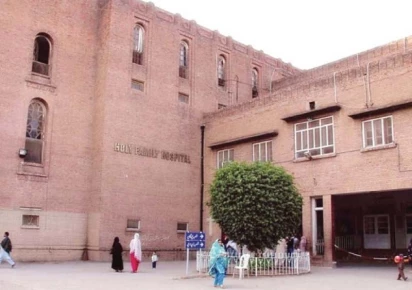
A substantial financial commitment underpins this healthcare transformation. Officials have forwarded a formal request for funds to the Punjab government, covering crucial aspects like building construction, dedicated waiting areas, and the procurement of essential medical equipment. Significantly, Holy Family Hospital, Rawalpindi’s largest facility with 1,052 beds, recently underwent a major Rs. 3.60 billion revamp. Furthermore, the provincial government has already approved Rs. 400 million for surgical equipment across its 25 operating theaters. An additional Rs. 500 million has been requested specifically for the Holy Family Hospital’s new filter clinic infrastructure, with similar strategic funding initiatives underway for Benazir Bhutto General Hospital and Rawalpindi Teaching Hospital. These investments are critical catalysts for improving patient outcomes and elevating the overall standard of public healthcare.
The Forward Path: A Momentum Shift in Public Health
This strategic move unequivocally represents a “Momentum Shift” for Pakistan’s public health sector. By proactively addressing systemic inefficiencies in patient flow and emergency room congestion, the Punjab government is setting a new baseline for responsive healthcare delivery. The calibrated integration of filter clinics, alongside significant infrastructure investments, signifies a commitment to modernizing the healthcare experience. This is not merely maintenance; it is a structural redesign aimed at delivering more equitable, efficient, and higher-quality medical services to all citizens. This decisive action positions Rawalpindi as a leading model for future healthcare advancements across the nation.








