
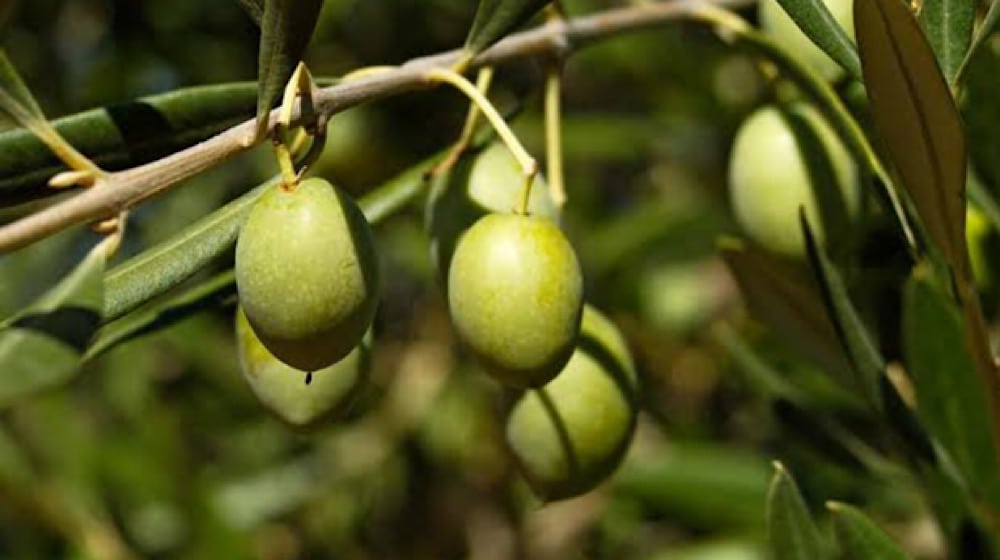
The Directorate General of Customs Valuation has strategically recalibrated **branded olive import values** for Pakistan, marking a significant update after four years. This move directly targets enhanced fiscal transparency and ensures precise duty assessment, aligning import valuations with dynamic global market trends. The revised framework specifically addresses major international brands, establishing a baseline for fair trade practices and preventing under-invoicing in the market.
A Calibrated Approach to Branded Olive Import Values
The Rationale Behind the Revision
The Directorate General of Customs Valuation issued new customs values for branded olives, a crucial update after more than four years. This structural adjustment applies to prominent international brands, including Borges, Figaro, American, Garden, Mundial, Fragata, Del Monte, Italia, and Wadi. The primary objective is to ensure accurate duty assessment and align **branded olive import values** with prevailing market dynamics. This strategic update, formalized by Valuation Ruling No. 2045 of 2026, systematically replaces the previous ruling from 2022.

Authorities confirmed the necessity of this revision. Previously, the valuation parameters had become outdated, consequently failing to reflect current international pricing. This discrepancy necessitated a proactive measure to restore equilibrium in import taxation and ensure revenue integrity.
Precision in Market Calibration
Importer Perspectives and Data Integration
During extensive consultations, importers articulated that their declared values accurately reflected recent market trends, effectively disproving any suggestions of under-invoicing. Furthermore, they advocated for a brand-specific valuation methodology, rather than an origin-based one. This recommendation acknowledged that pricing inherently fluctuates based on quality, brand positioning, and seasonal factors.

Customs authorities undertook a comprehensive review, meticulously analyzing 90 days of import data. They also scrutinized documentary evidence provided by stakeholders. Consequently, market surveys, international price trends, and seasonal crop patterns influencing olive prices were rigorously examined, providing a holistic view.
This data-centric analysis led to the development of a brand-wise valuation framework. This precision-engineered system incorporates specific quality and supplier-level data. The objective is to ensure a more transparent and objectively determined pricing mechanism, fostering equitable trade practices across the board. The Directorate affirmed that these revised values are determined in strict adherence to legal provisions. They precisely reflect international market dynamics, thereby guaranteeing both fairness and transparency in duty assessment procedures.

The “Situation Room” Analysis
The Translation: Deciphering the Valuation Ruling
This ruling essentially means Pakistan’s Customs has upgraded its system for taxing imported olives. Previously, all olives were broadly valued. Now, the government applies specific, updated prices for each major brand. This ensures that the tax collected accurately matches the actual market value of premium olives, preventing both under-taxation and over-taxation. It shifts from a generalized approach to a **calibrated**, brand-specific assessment, thereby optimizing revenue collection.
Socio-Economic Impact: What This Means for Pakistani Households
For the average Pakistani consumer, especially in urban centers where imported olives are popular, this measure aims to stabilize market pricing. Initially, there might be slight adjustments in retail prices as the new duties are factored in. However, the long-term impact is one of **structural integrity** in the market. It fosters fair competition among importers and ensures the government collects its rightful revenue. This revenue can then be reinvested into national development, indirectly benefiting students through better educational infrastructure or professionals through enhanced public services. Ultimately, it ensures that the cost of imported goods genuinely reflects global economic realities, impacting household budgets with greater predictability.

The Forward Path: A Stabilization Move
This development represents a **Stabilization Move**. It is not a sudden momentum shift but rather a strategic calibration designed to fortify existing systems. By updating outdated valuations, Customs is ensuring baseline efficiency and preventing revenue leakages. This move establishes a more robust and predictable import valuation framework, essential for sustained economic stability rather than a transformative leap in policy.









