
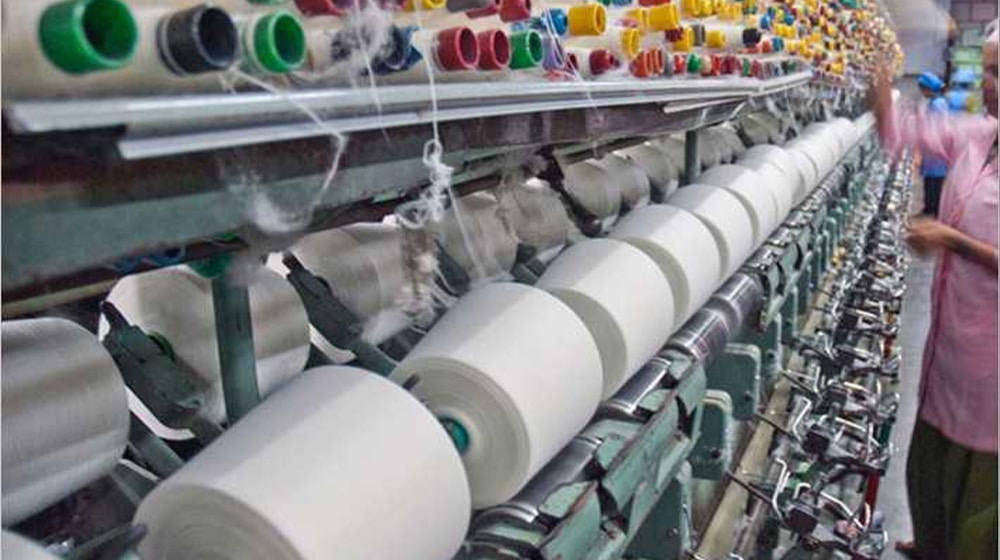
Achieving national advancement hinges on robust system efficiency and transparent economic frameworks. Consequently, the Federal Board of Revenue (FBR) has initiated decisive enforcement actions against textile spinning units. These actions specifically target those units failing to integrate its mandated video analytics monitoring system, critically known as the “digital eye,” into their production facilities. This strategic move underscores the FBR’s commitment to ensuring FBR Digital Eye Compliance across a vital industrial sector, addressing long-standing issues of untaxed cotton and revenue leakage.
Structural Shift: The Mandate for Digital Eye Compliance
The FBR has precisely directed all field formations to guarantee the full installation and operationalization of this video monitoring system. Furthermore, they are instructed to implement extreme enforcement measures against any non-compliant entities. These calibrated actions can escalate to severe penalties, including import embargoes, the sealing of business premises, and the suspension of sales tax registration. Financial penalties, blacklisting, and the denial of goods clearance from production facilities also represent critical deterrents.
Presently, approximately 300 of the 421 registered spinning units in Pakistan are operational. The FBR plans to fully deploy digital eye systems within these active facilities. This deployment aims to meticulously monitor the movement of undocumented cotton bales and systematically curb pervasive tax evasion. The tax authority identifies the spinning stage as a crucial choke point within the textile supply chain, enabling the precise detection and prevention of untaxed cotton utilization.

The Translation: Unpacking “Gol Maal” and Digital Oversight
Technical jargon often obscures the true operational impact of regulatory directives. In essence, the “digital eye” is a sophisticated video analytics system designed to provide real-time, verifiable data on cotton bale movement. It transforms opaque processes into transparent, traceable operations. The FBR is primarily targeting “Gol Maal” cotton, an industry term referring to the estimated 4-5 million bales consumed locally each year without sales tax payment. This untaxed quantity represents a significant fiscal drain.
Pakistan’s textile sector consumes approximately 13 million cotton bales annually. Of this volume, local production accounts for 5 to 6 million bales, while the remaining quantity is imported. By digitally monitoring the spinning units, the FBR intends to precisely document previously unreported production and rigorously plug this substantial tax gap.
The Socio-Economic Impact: Calibrating Fair Play and Prosperity
How does enhanced FBR Digital Eye Compliance directly influence the daily life of a Pakistani citizen? This initiative fundamentally aims to level the economic playing field. Firstly, it ensures that businesses operating legally are not disadvantaged by competitors who evade taxes. This fosters fair competition, potentially leading to better quality goods and stable pricing for consumers.
Secondly, increased tax revenue, derived from previously untaxed segments, can be strategically reinvested into crucial public services. This could translate into improved educational facilities for students, better healthcare access for families, and enhanced infrastructure, benefiting both urban and rural households. Conversely, non-compliant units may face closure, leading to job displacements, although this impact is balanced by the long-term gains of a formalized economy.

Overcoming Resistance: The Forward Path to Systemic Integrity
The implementation of this digital system has not been without structural challenges. Initially, the FBR set a November 1 deadline, later extending it to December 31, 2025. However, the consistent non-compliance from several spinning units, alongside resistance from the All Pakistan Textile Mills Association (APTMA), necessitated this firm enforcement stance. To facilitate adherence, the FBR had proactively offered a tax credit for installation expenses and established a joint committee with APTMA representatives.
Despite these facilitative measures, some units pursued legal recourse at the Lahore High Court. The court, however, did not issue a stay order against the monitoring system’s installation. With legal ambiguities resolved, the FBR is now resolute in enforcing the system at all costs. This move is a clear demonstration of the state’s determination to establish systemic integrity within the textile sector.
The Forward Path: A Momentum Shift for Fiscal Discipline
This development represents a definitive Momentum Shift for Pakistan’s fiscal discipline. It moves beyond incremental adjustments, signaling a strategic commitment to leverage technology for comprehensive tax enforcement. While some short-term operational friction is anticipated, the long-term structural benefits of a transparent and accountable textile supply chain are substantial. This initiative is a catalyst for modernizing tax collection, setting a vital precedent for other sectors. It strategically positions Pakistan towards a more digitized and equitable economic future.








