

The consistent evolution of mobile technology dictates a rigorous strategic approach to product launches. Google’s recent unveiling of the Google Pixel 10a serves as a calibrated case study in incremental innovation, exhibiting specifications nearly identical to its predecessor, the Pixel 9a. While its external design mirrors last year’s model, the core narrative shifts toward advanced sustainability, with significant integration of recycled materials. This launch prompts critical analysis regarding its market positioning and its value proposition within the fiercely competitive smartphone ecosystem.
The Translation: Calibrating Expectations for the Google Pixel 10a
Understanding the Pixel 10a requires a precise deconstruction of its technical baseline. Functionally, this device operates on the same Tensor G4 chipset as the Pixel 9a, maintaining identical memory and storage configurations. Consequently, performance metrics are projected to remain consistent with the prior generation. However, a significant structural advancement lies in its environmental design; the model incorporates recycled cobalt, copper, gold, and tungsten, constituting at least 36 percent of its total weight. Furthermore, its aluminum frame is forged from 100 percent recycled material, and the retail packaging is entirely plastic-free. This strategic pivot emphasizes eco-conscious engineering over radical hardware overhauls.
The Socio-Economic Impact: Precision Value for Pakistani Citizens
How does the Pixel 10a translate into tangible changes for the daily life of a Pakistani citizen? For students and professionals, the emphasis on robust software updates – seven years of Android 16 and Pixel Drops – ensures prolonged device relevance, optimizing long-term investment. Conversely, the minimal hardware upgrades might influence purchasing decisions, particularly for those seeking substantial performance leaps from older models. Moreover, the integration of recycled materials establishes a crucial baseline for sustainable consumption in the technology sector, subtly encouraging environmentally responsible choices among urban and rural households. This structural shift towards longevity and sustainability offers a unique value proposition beyond raw specifications.

Structural Integrity: Design & Display Enhancements of the Google Pixel 10a
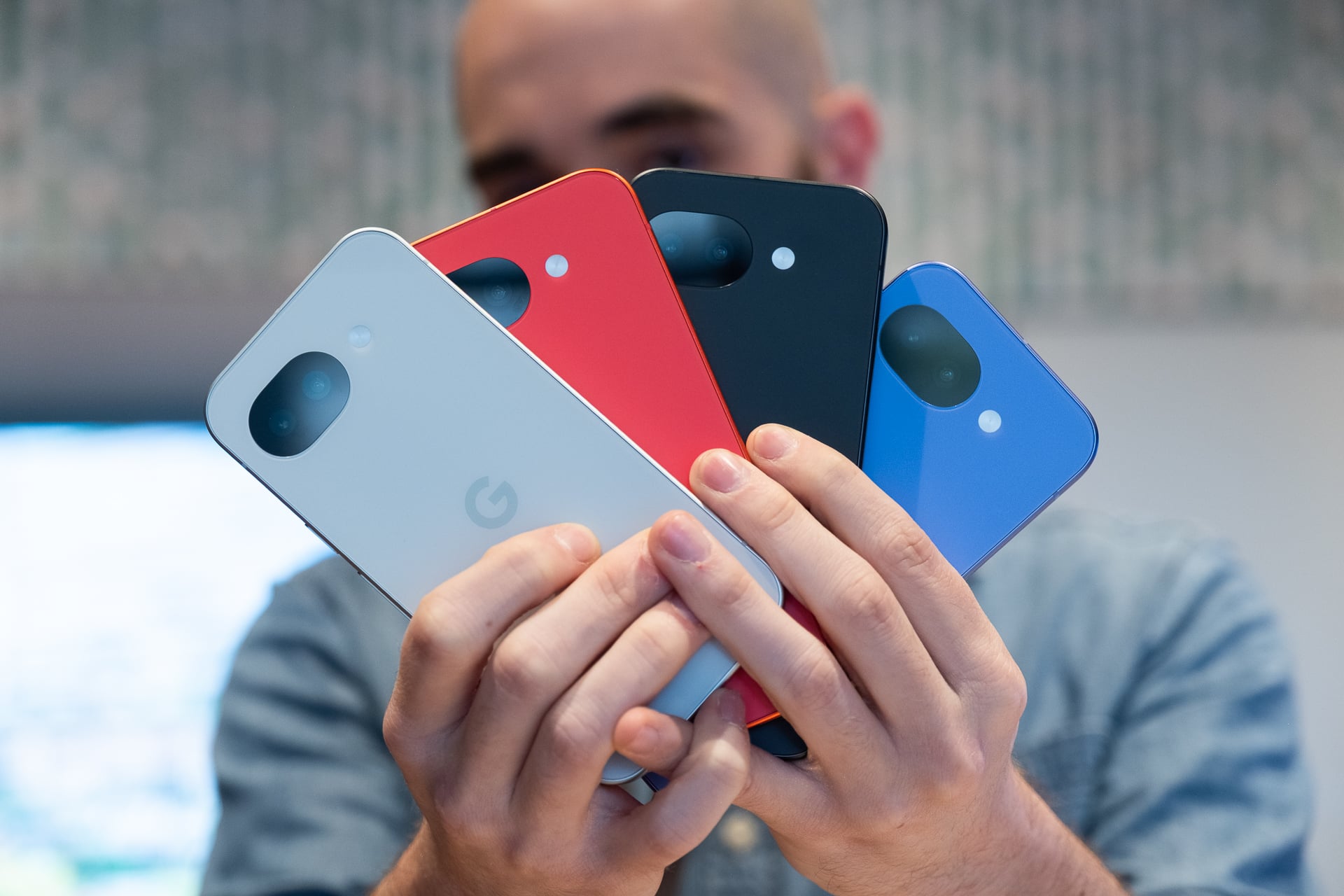
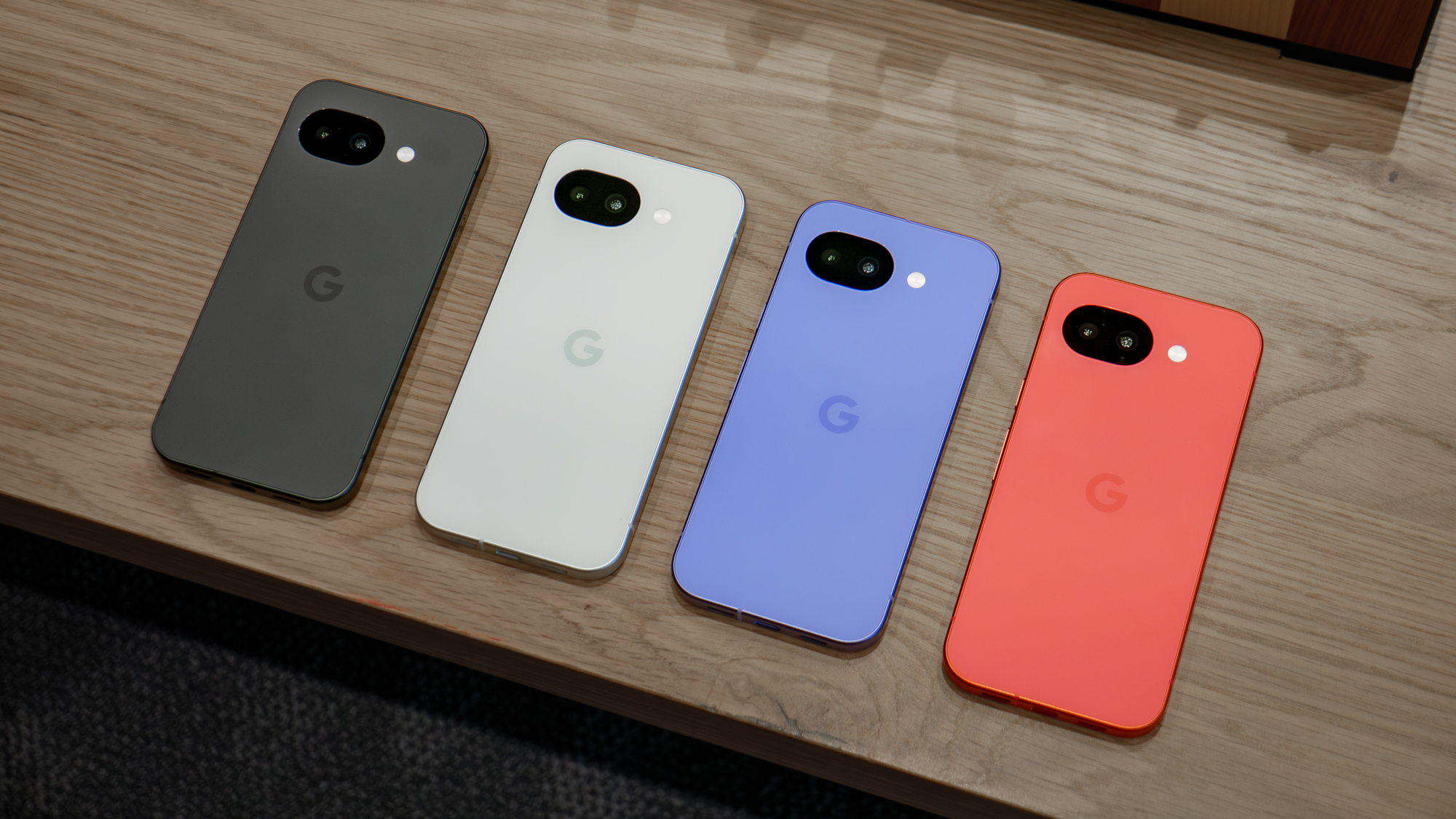
The Pixel 10a maintains the robust IP68 rating for dust and water resistance, a critical feature ensuring device durability. The rear panel, crafted from plastic, now comprises 81 percent recycled content, further solidifying Google’s commitment to ecological stewardship. Notably, Google has precision-engineered the internal structure to facilitate easier repairs, although the external aesthetic largely replicates the Pixel 9a, including its nearly flush camera module. The display receives a strategic upgrade from Gorilla Glass 3 to Gorilla Glass 7i, enhancing scratch resistance and drop survivability from one meter. Its 6.3-inch Actua panel boasts a peak brightness of 3,000 nits, an incremental yet measurable improvement over the 2,700 nits of its predecessor. Furthermore, this device is available in four distinct colors: Fog, Obsidian, Berry, and Lavender, offering a refined palette.

Core Processing: Internals, Software & Imaging Capabilities
At its operational core, the Pixel 10a is powered by the Tensor G4 chipset, fabricated on Samsung’s efficient 4nm process. This hardware configuration, coupled with 8GB of RAM and storage options of 128GB or 256GB, ensures performance metrics align directly with last year’s model. Shifting to software, the phone launches with Android 16 and is architected to receive seven years of comprehensive software updates, including the proprietary Pixel Drops. From an imaging perspective, the camera hardware remains constant, featuring a 48MP main sensor and a 13MP ultra-wide lens. Consequently, Google leverages advanced software features like Camera Coach, which utilizes Gemini for photography suggestions, Auto Best Take for optimizing group shots, and Add Me for seamless photographer inclusion, to refine the user’s photographic experience.
Power Dynamics: Battery, Charging & Economic Value
The Pixel 10a integrates a robust 5,100 mAh battery, strategically engineered to deliver up to 30 hours of regular use on a singular charge. This establishes a reliable baseline for daily operational efficiency. Furthermore, charging protocols have seen calibrated enhancements: wired charging now supports a 30W delivery, an increase from 23W, and wireless charging escalates to 10W from 7.5W. While these are quantitative improvements, the perceptible impact on daily charging routines remains incremental. Priced at $500 for the base model in the US, with an additional $100 for the 256GB variant, this smartphone positions itself as a contender focused on long-term software support and sustainable design, rather than revolutionary hardware upgrades, offering a distinct economic value proposition.

The Forward Path: A Strategic Stabilization Move
The introduction of the Google Pixel 10a should be precisely understood not as a “Momentum Shift” but rather as a “Stabilization Move.” Google strategically prioritizes optimizing component reusability and extending software longevity over introducing disruptive hardware. This approach aims to solidify the “A” series’ position as a reliable, environmentally conscious option within the mid-range segment. Consequently, this model serves to refine the existing product line, ensuring system efficiency and a predictable user experience for a global consumer base, including the discerning Pakistani market. The long-term trajectory suggests a calibrated evolution, focusing on foundational improvements and sustainability as core tenets of technological advancement.
Google Pixel 10a: Technical Specifications Baseline
- Chipset: Google Tensor G4 (4 nm)
- CPU: Octa-core (1×3.1 GHz Cortex-X4 & 3×2.6 GHz Cortex-A720 & 4×1.9 GHz Cortex-A520)
- GPU: Mali-G715 MP7
- OS: Android 16, with up to 7 major Android upgrades
- Supported Networks: 2G, 3G, 4G LTE, 5G
- Display: 6.3 inches, 1080 x 2424 pixels, P-OLED, HDR, 120Hz, 2000 nits (HBM), 3000 nits (peak)
- RAM: 8 GB
- Storage: 128GB, 256 GB
- Card Slot: No
- Main Camera: 48 MP, f/1.7, 25mm (wide), 1/2.0″, 0.8µm, dual pixel PDAF, OIS; 13 MP, f/2.2, 120˚ (ultrawide), 1/3.1″, 1.12µm
- Front Camera: 13 MP, f/2.2, 20mm (ultrawide), 1/3.1″, 1.12µm
- Colors: Obsidian, Fog, Berry, Lavender
- Fingerprint Sensor: Under display, optical
- Battery: Li-Po 5100 mAh, 30W wired charging, 10W wireless charging
- Price: $500 (base model)








