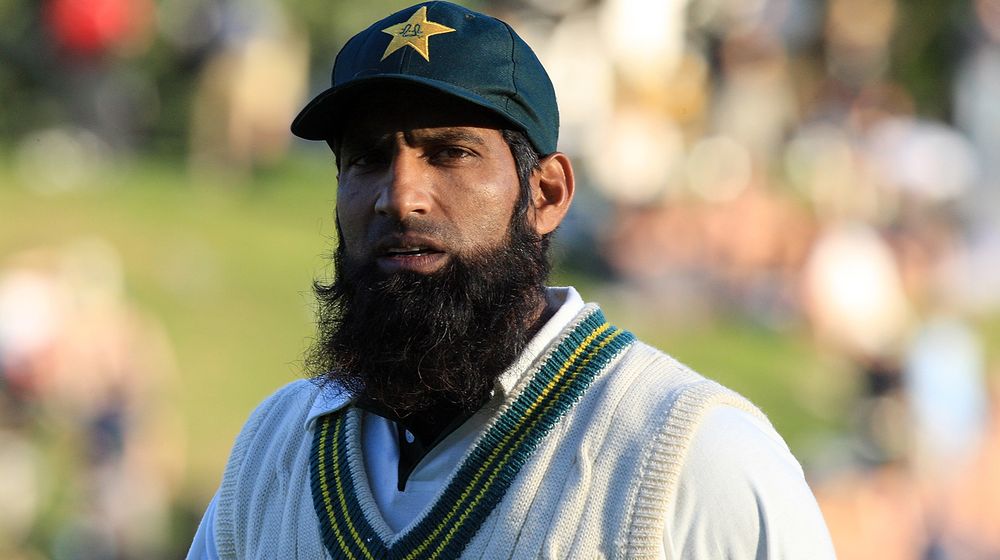
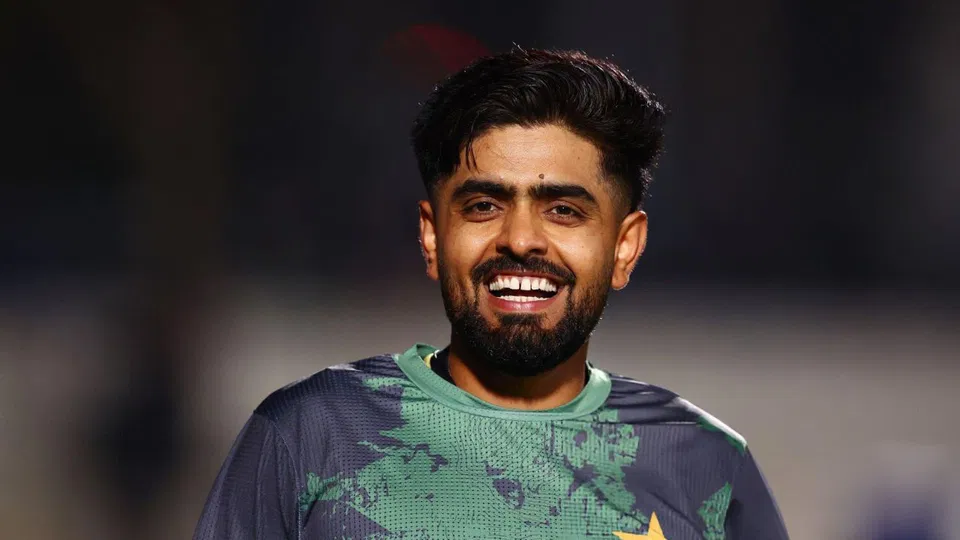
The structural integrity of Pakistan cricket faces recalibration as former selection committee member Mohammad Yousuf sheds light on the precise reasons behind his departure from the Pakistan Cricket Board (PCB). Yousuf’s **resignation** stemmed directly from fundamental disagreements regarding star batter Babar Azam’s strategic management. He advocated for a calibrated rest period and technical refinement for Azam, a proposal that faced significant internal resistance. This pivotal conflict highlights underlying tensions within the PCB’s decision-making framework, impacting the foundational approach to national team development.
Understanding the Strategic Discrepancy
Mohammad Yousuf meticulously articulated his recommendation for Babar Azam to take a temporary break. This was not a punitive measure but a strategic intervention aimed at addressing a documented decline in Azam’s technique and his inconsistent form over the last three years. Yousuf’s proactive stance was met with strong opposition, characterized by repeated dismissals such as, “You will drop Babar, you will rest Babar.” Consequently, this resistance underscored a systemic reluctance within certain circles to implement data-driven player development strategies, often prioritizing immediate team stability over long-term individual and collective performance enhancement.
The Translation: Behind Mohammad Yousuf’s Resignation
Yousuf’s insistence on Azam’s rest was rooted in a professional assessment of a technical decline. He believed a dedicated period at the academy, focused on technical work, would enable Azam to return stronger to international cricket. This scientific approach contrasted sharply with the prevailing sentiment that resisted any perceived disruption to the established hierarchy. Ultimately, after repeating his intention three times, the board formally approved Yousuf’s **resignation**, a testament to the intractable nature of the disagreement.

The Socio-Economic Impact: Calibrating Public Trust
This internal discord within Pakistan cricket management directly influences public confidence and the aspirational pathways for young cricketers nationwide. For students and aspiring professionals, the perceived resistance to data-driven player management can signal a lack of meritocracy or an aversion to strategic change within national institutions. This can potentially dampen enthusiasm for a career in sports or related fields. Conversely, a transparent, performance-oriented system that embraces constructive critique could catalyze greater engagement, inspiring future generations to pursue excellence with clear, development-focused trajectories.
The “Forward Path”: A Stabilization Move
Mohammad Yousuf’s recent critique extends beyond Babar Azam, encompassing other senior players like Shaheen Shah Afridi and Shadab Khan, whose “era has passed,” according to Yousuf. This signals an urgent need for fresh talent within the national team. While Yousuf’s diagnostic offers a necessary analysis, the circumstances surrounding his **resignation** suggest a reactive adjustment rather than a proactive **momentum shift** towards modern player management. A true shift would involve an institutional embrace of performance-based decision-making for all players, ensuring Pakistan cricket can consistently calibrate for optimal future outcomes, moving beyond reliance on modest successes against weaker opponents.

Further Insights: Full Interview Details