Catalyzing Public Order: Elevating Punjab Safe Cities Security for Ramadan
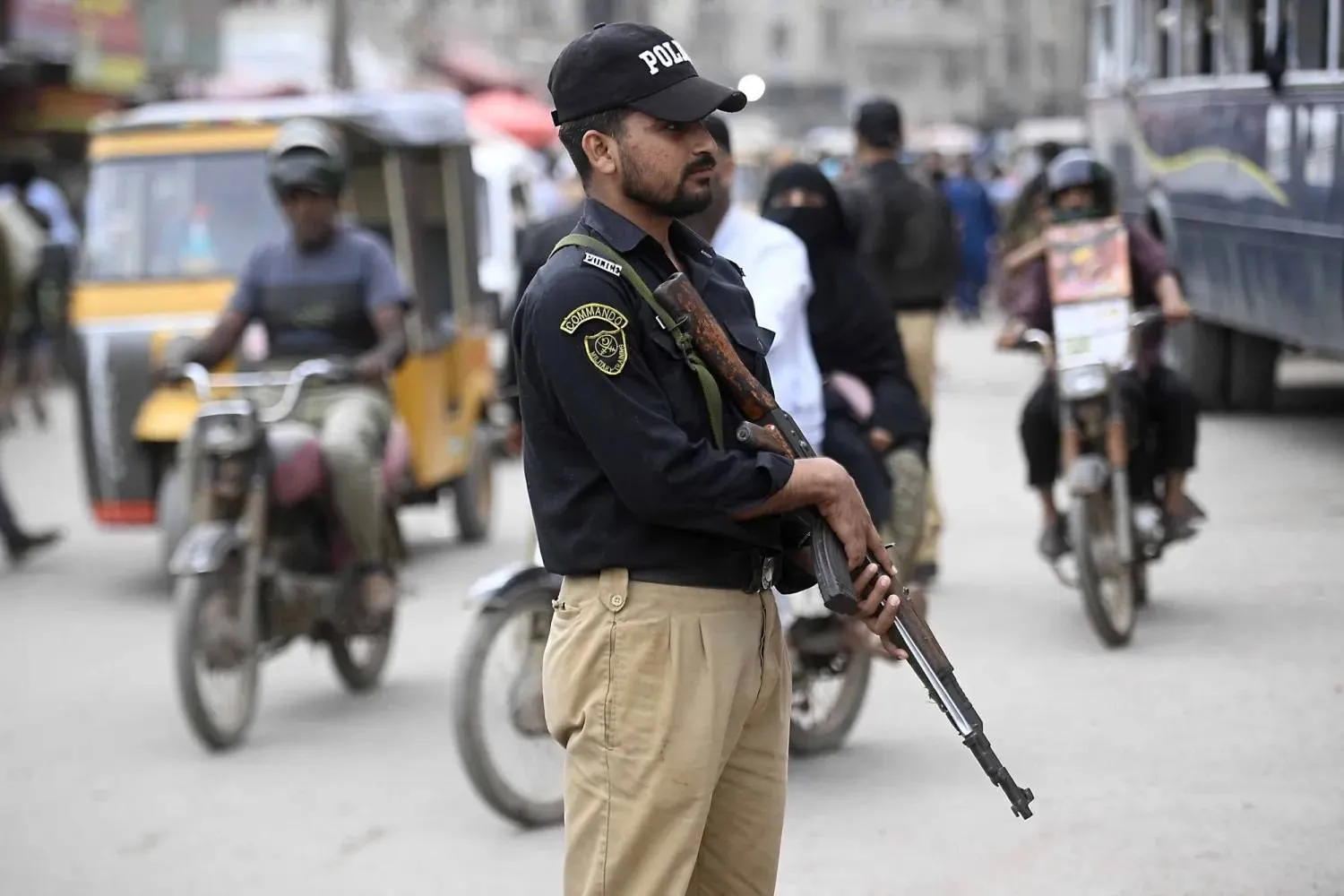
The Punjab Safe Cities Authority has strategically deployed advanced security protocols across the province for Ramadan. This comprehensive effort involves virtual patrolling teams, AI-driven monitoring systems, and the precise integration of over 20 Ramadan bazaars, 30 public parks, and 160 mosques into a centralized surveillance network. Consequently, these robust measures are designed to ensure unparalleled public safety and order, fundamentally enhancing the security infrastructure during the holy month. This strategic enhancement in Punjab Safe Cities Security underscores a proactive commitment to maintaining a peaceful and secure environment for all citizens, elevating the baseline for urban safety management.
The Translation: Precision in Digital Surveillance
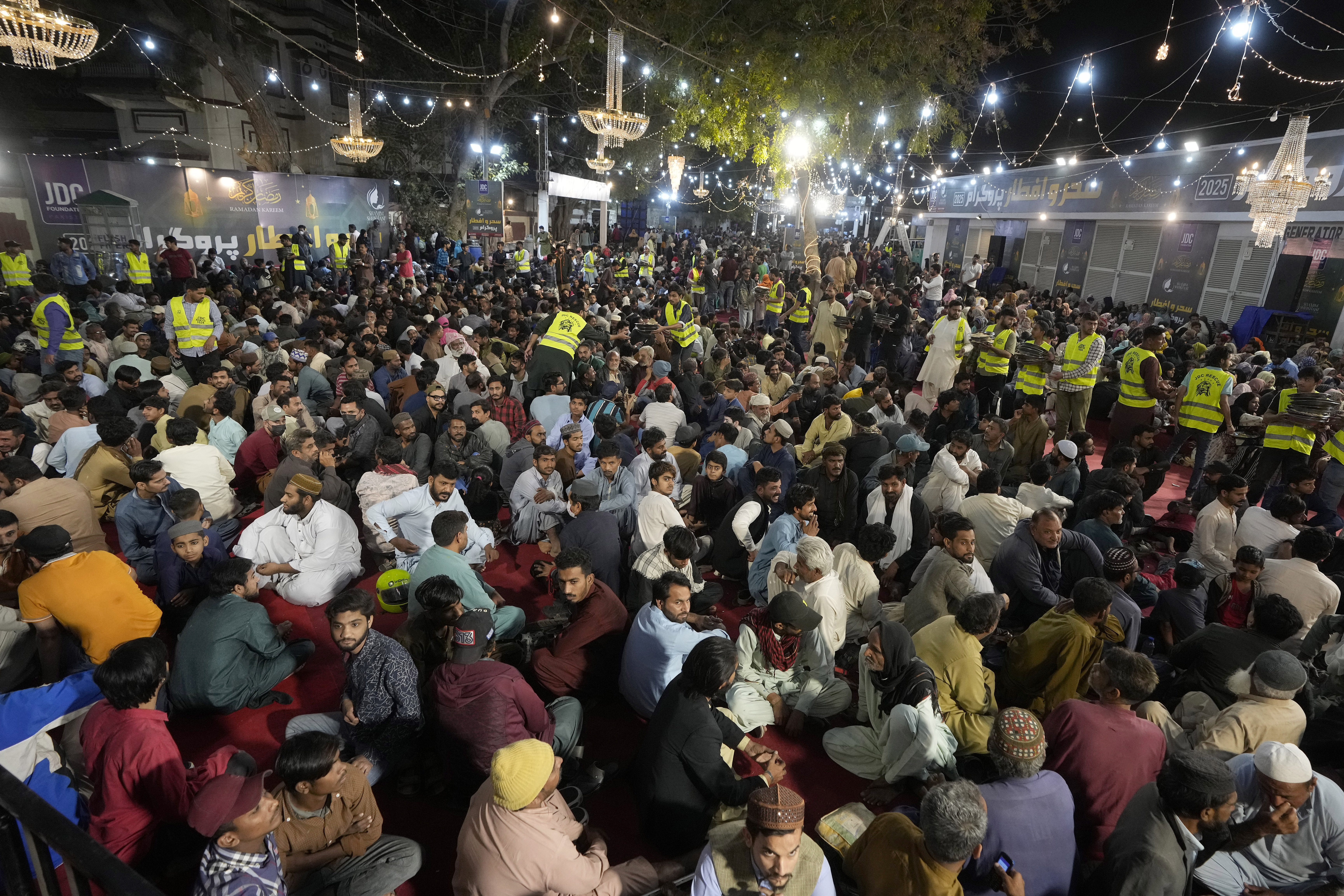
Understanding the operational architecture is crucial for appreciating this initiative. Dedicated virtual patrolling teams, functioning from Punjab’s Smart Safe City centers, now execute round-the-clock monitoring. Furthermore, this calibrated approach ensures constant oversight of public activities. The integrated Safe City system connects 21 Ramadan and facilitation bazaars to the central network via 66 surveillance cameras. This strategic linkage directly enhances public safety for shoppers and traders. Additionally, 112 cameras across 32 public parks, along with 143 cameras at over 163 mosques and imambargahs, have been seamlessly integrated into this comprehensive network. Therefore, special vigilance is maintained during Taraweeh prayers and other religious congregations, guaranteeing continuous surveillance of all key public spaces.
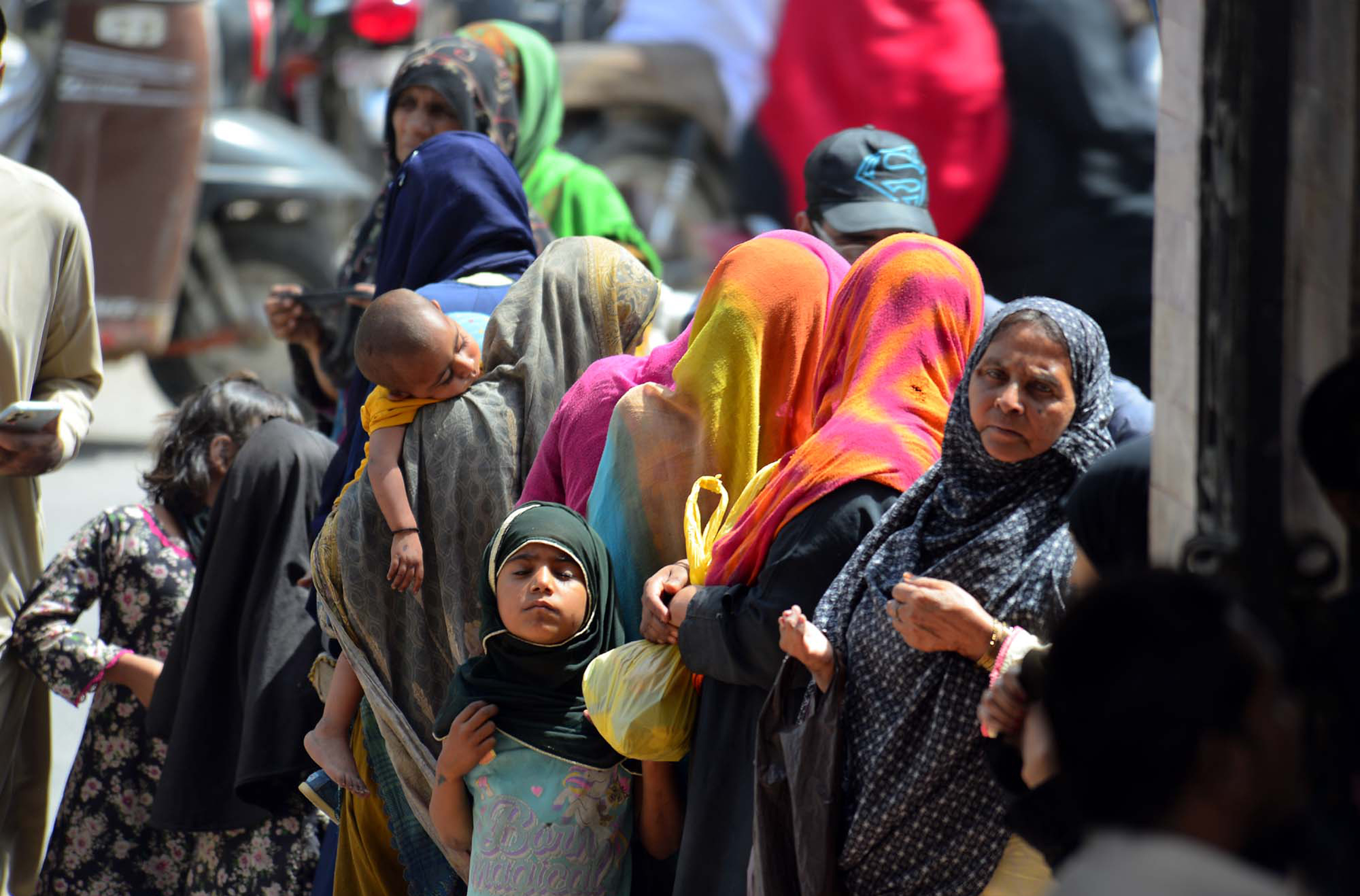
Moreover, the authority leverages an AI-based monitoring system designed to track suspicious activity, including begging, at critical traffic signals. This advanced system generates instant alerts, enabling rapid response from relevant field teams. This technological deployment represents a significant uplift in operational efficiency. Consequently, citizens are urged to utilize the designated helpline to report any suspicious activity, actively contributing to the collective maintenance of a peaceful environment throughout the holy month.

The Socio-Economic Impact: Fortifying Community Life
This structural enhancement in the province’s security posture fundamentally transforms the daily experience of Pakistani citizens. For students and families visiting public parks, a heightened sense of safety now prevails, fostering recreational activities without apprehension. Traders and shoppers at Ramadan bazaars benefit from a secure transactional environment, promoting local commerce and economic stability. Furthermore, worshippers attending mosques and imambargahs can observe their religious duties with greater tranquility, free from concerns about public order. In urban centers, the AI-driven monitoring system for suspicious activity contributes to reducing street-level crime and enhancing the overall urban fabric. Simultaneously, rural areas connected through this network experience an unprecedented level of integrated security, bridging the digital divide in safety provisions, thus elevating the overall Punjab Safe Cities Security paradigm.
The Forward Path: A Structural Shift Towards Enhanced Public Safety
This comprehensive deployment by the Punjab Safe Cities Authority represents a definitive “Momentum Shift” rather than a mere “Stabilization Move.” The integration of advanced virtual patrolling, AI-based analytics, and extensive camera networking signifies a progressive leap in national advancement. It establishes a new baseline for public safety infrastructure, moving beyond reactive responses to proactive prevention. Furthermore, the emphasis on citizen engagement through dedicated helplines reinforces a community-centric approach to security. This strategic investment in technology and systemic integration positions Pakistan at the forefront of smart city initiatives, laying a structural foundation for sustained peace and order far beyond the Ramadan period. Consequently, this initiative is a catalyst for broader technological adoption in governance.