

The structural integrity of public health is under direct challenge as new research calibrates a direct correlation between sustained exposure to fine particle air pollution and a significantly elevated risk of Alzheimer’s disease. Specifically, residents of Lahore face a heightened risk, as atmospheric contaminants directly impact cognitive function. This necessitates strategic environmental interventions to safeguard national well-being and mitigate the escalating threat posed by Lahore Smog Alzheimer’s connections.
Understanding the Mechanism: Connecting Lahore Smog to Alzheimer’s Risk
A comprehensive study involving nearly 28 million individuals provides a critical baseline: long-term exposure to fine particulate matter, commonly known as PM2.5, substantially increases the likelihood of developing Alzheimer’s disease. The research, conducted by Emory University and published in PLOS Medicine, tracked health data across two decades. Furthermore, initial hypotheses suggested indirect pathways, such as cardiovascular conditions like hypertension, stroke, or depression, linking pollution to dementia.
However, the data precisely indicates that these conditions account for less than 5% of the observed connection. Consequently, over 95% of the increased risk appears to stem directly from inhaling polluted air. The concentration of PM2.5, originating from vehicle exhaust, industrial emissions, and fuel combustion – prevalent in Lahore – shows a direct, escalating relationship with Alzheimer’s risk. Managing associated health issues, such as high blood pressure, does not eliminate the core dementia risk linked to air pollution. Therefore, reducing direct exposure to PM2.5 remains the paramount necessity.

The Translation: Decoding Direct Neuro-Toxicology
This study precisely translates ambient air quality directly into a quantifiable neurological threat. It clarifies that PM2.5 particles are not merely irritants; they are neuro-toxins that bypass the body’s cardiovascular system to directly impact brain health. For the average citizen, this means the air they breathe in urban centers like Lahore carries a silent, persistent threat to long-term cognitive function. The logic is now unequivocal: what enters our lungs directly impacts our brain’s resilience against degenerative diseases like Alzheimer’s. This is a critical paradigm shift from previous understandings that often emphasized secondary health complications.
Socio-Economic Impact: Safeguarding Pakistan’s Future Cognitive Capital
The implications for Pakistani citizens are profound, particularly for those residing in densely populated urban and peri-urban areas where PM2.5 levels frequently exceed safety thresholds. For students, this heightened risk could compromise their long-term academic and professional potential, impacting national human capital development. Professionals, already navigating demanding careers, face an added environmental stressor to their cognitive faculties.
Furthermore, households across both urban and rural Pakistan, often reliant on traditional fuel sources, confront this unseen danger. The study’s finding that individuals with a prior stroke are exceptionally vulnerable underscores a specific demographic requiring urgent protection. A compromised cognitive landscape could impose immense burdens on the healthcare system and productivity, hindering the nation’s advancement trajectory. This emphasizes the urgent need for a strategic, multi-sectoral approach to improve air quality, directly impacting the severity of Lahore Smog Alzheimer’s connections.
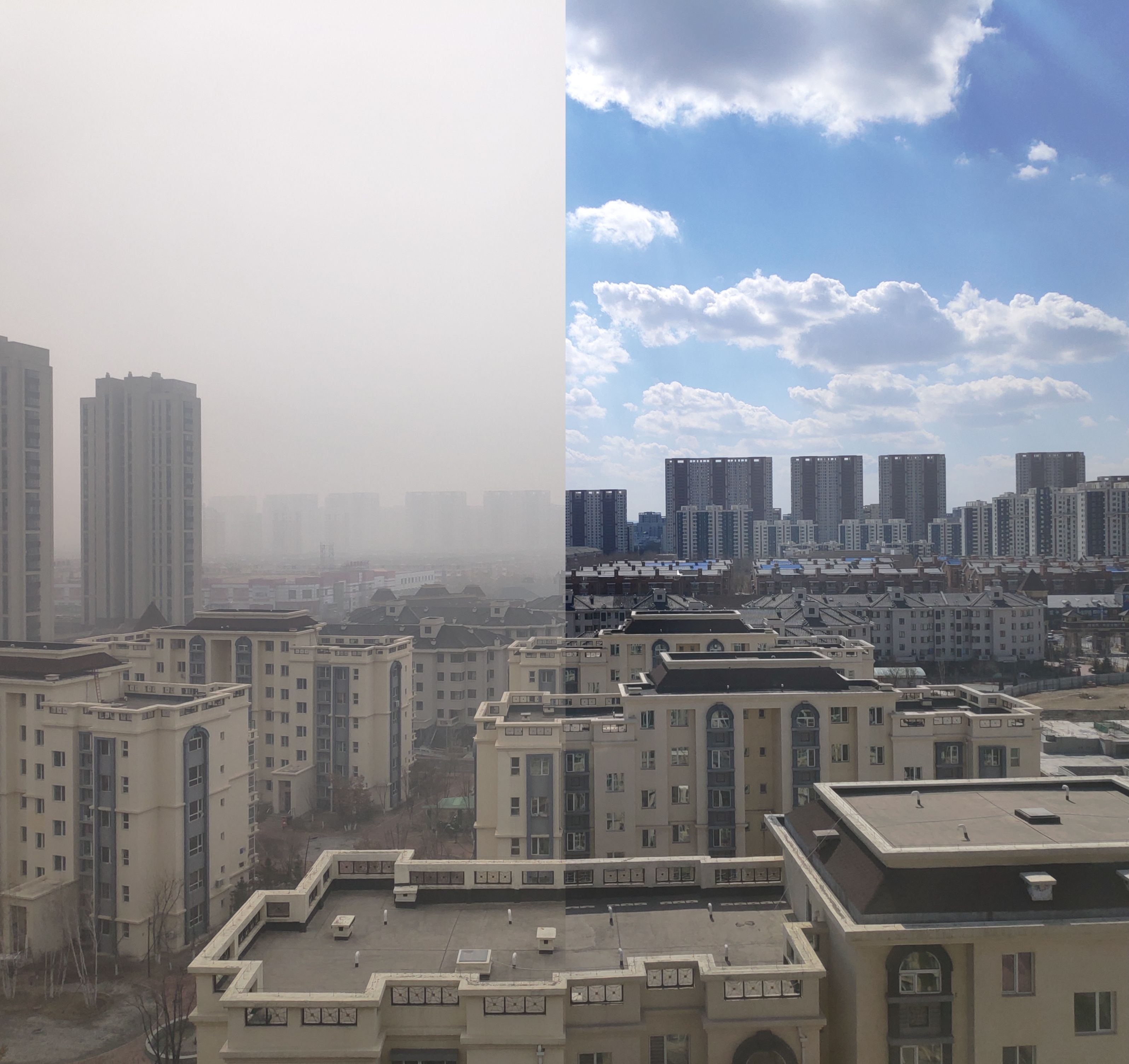
The "Forward Path": A Momentum Shift for Public Health Policy
This research unequivocally represents a Momentum Shift. It provides undeniable evidence demanding more stringent, calibrated air quality standards at both community and national levels. While genetic factors contribute to Alzheimer’s risk, the data spotlights environmental control as a potent lever for prevention. A strategic focus on reducing PM2.5 exposure offers a tangible path to significantly decrease Alzheimer’s cases, especially benefiting lower-income communities disproportionately exposed. This is not merely a stabilization move; it is a catalyst for proactive public health policy that can structurally enhance the cognitive health of an entire generation. Implementing precision-driven clean air initiatives is now a national imperative for sustained progress and safeguarding our collective future.









