

Google’s strategic advancement, “Project Toscana,” is poised to redefine smartphone and Chromebook security. This initiative aims to deliver Pixel Face Unlock technology that mirrors the precision and reliability of Apple’s Face ID, marking a significant structural upgrade in biometric authentication. Furthermore, this innovation is designed to operate seamlessly without visible hardware modifications, integrating advanced scanning capabilities directly beneath the display for an uncompromised aesthetic and enhanced user experience.
The Translation: Calibrating Next-Gen Biometrics
At its core, “Project Toscana” signifies Google’s robust commitment to elevating device security. This initiative involves developing an advanced facial recognition system for the forthcoming Pixel 11 series and select Chromebook models. Unlike previous iterations, this system promises to operate with iPhone-level speed and accuracy, even in challenging low-light environments. Consequently, users will experience a more reliable and consistent unlocking mechanism.
The engineering challenge here is substantial: achieving secure, high-performance facial recognition without external sensors. This implies a sophisticated integration of infrared technology or similar under-display components, mirroring cutting-edge advancements in the mobile industry. Effectively, Google is structurally optimizing the biometric baseline for its ecosystem.
Socio-Economic Impact: Fortifying Digital Access for Pakistan
This technological leap directly impacts the daily digital life of Pakistani citizens, particularly students and professionals. Enhanced Pixel Face Unlock provides a faster, more secure method for accessing devices, thereby streamlining workflows and academic pursuits. For professionals in urban centers, this means quicker access to critical data without compromising security. Consequently, productivity gains are anticipated, reducing friction in daily digital interactions.
In rural Pakistan, where device security is equally paramount, a reliable biometric system ensures that personal data remains protected, fostering greater trust in digital platforms. Moreover, integrating this technology into Chromebooks could catalyze more secure and efficient educational environments. This move structurally fortifies digital access across the nation.
The Forward Path: A Decisive Momentum Shift
This development represents a decisive “Momentum Shift” for Google’s ecosystem and, by extension, for users globally. By achieving parity with, or even surpassing, industry benchmarks like Apple’s Face ID, Google is not merely maintaining but aggressively advancing its position in the competitive biometric security landscape. This strategic move establishes a new baseline for expected device performance and user convenience.

Furthermore, the discreet, under-display implementation showcases a commitment to elegant engineering solutions. This structural innovation will undoubtedly influence future hardware designs across the industry, driving competitive advancements. We foresee this as a catalyst for broader adoption of advanced biometric security features, benefiting the entire digital frontier.
Strategic Hardware Integration: No Visible Changes
The most compelling aspect of Project Toscana is its commitment to maintaining the sleek industrial design of Pixel devices. Externally, the forthcoming Pixel 11 series is projected to retain the aesthetic of its predecessors. Consequently, the critical advancement lies entirely within performance and internal engineering, not in external hardware additions. This precision in design ensures a seamless user experience while significantly upgrading security protocols.
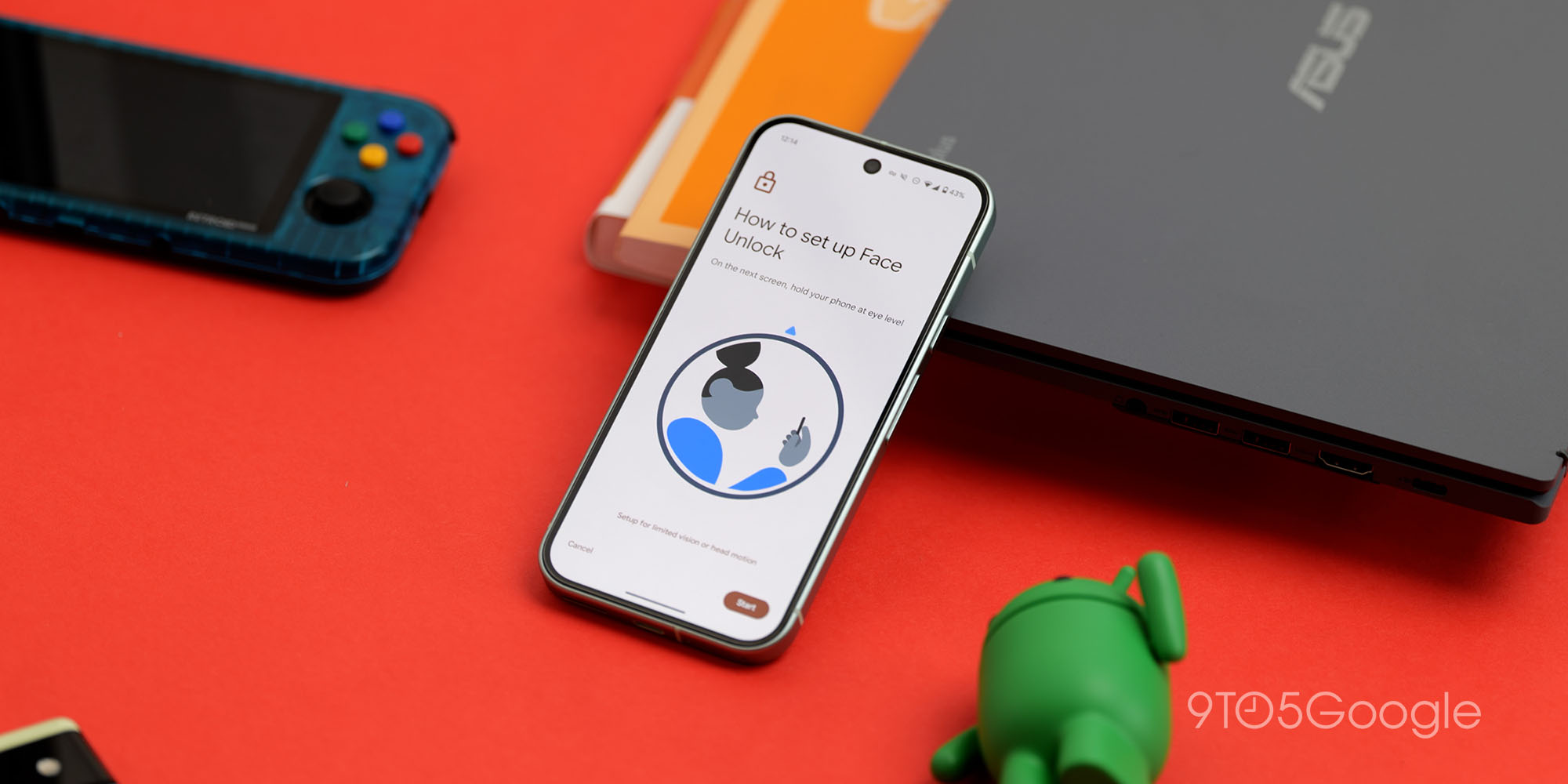
This updated Pixel Face Unlock system is reportedly calibrated to function optimally across a spectrum of lighting conditions. Whether in dimly lit environments or bright daylight, users can expect consistent and rapid authentication. This structural enhancement directly addresses a common pain point in previous facial recognition technologies, ensuring reliable access at all times.
Expanding Ecosystem: Chromebooks on the Horizon
Beyond smartphones, Google is strategically extending this advanced facial recognition technology to select Chromebook models. While specific device details and launch timelines remain under review, this expansion signifies a broader architectural vision for Google’s hardware ecosystem. The integration into Chromebooks will provide a uniform and highly secure authentication experience across multiple device categories.
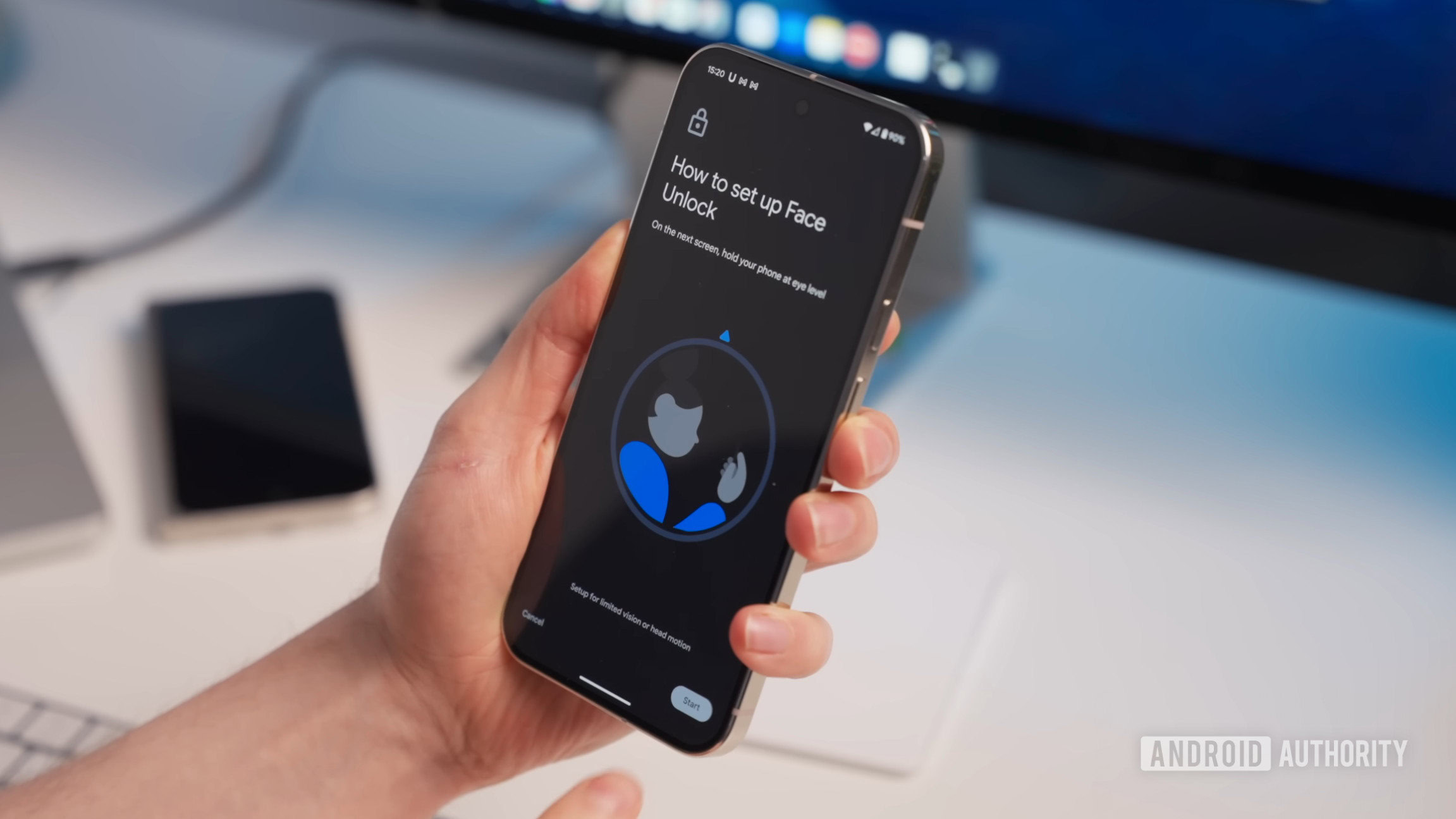
Initial evaluations suggest the new system rivals the speed of Apple’s Face ID. If confirmed, this marks a substantial functional improvement for Pixel and Chromebook users. Unlike iPhones, Pixel devices also incorporate a fingerprint scanner, providing a robust, multi-layered biometric security framework. Therefore, a consistently reliable facial recognition option augments user choice and security.








