
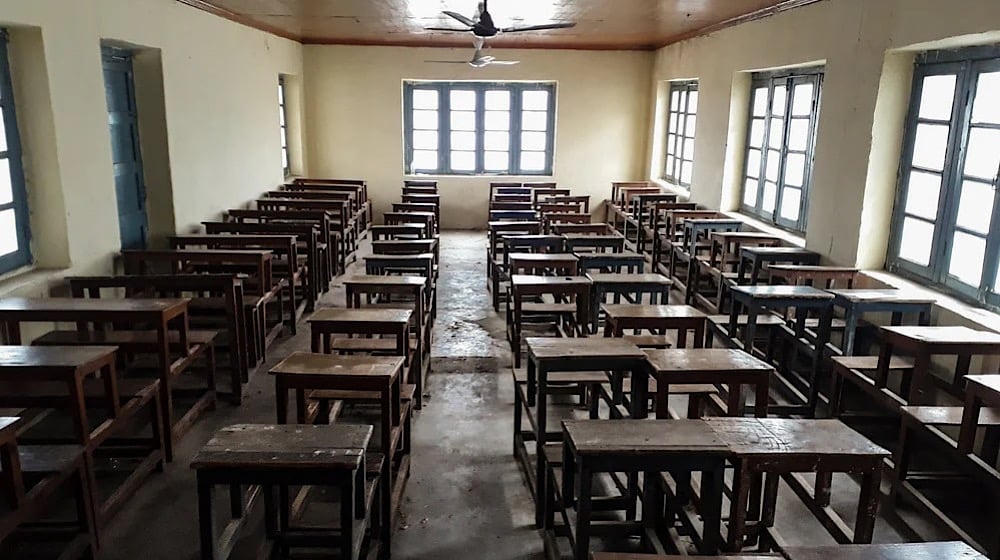
The Federal Directorate of Education (FDE) has strategically issued calibrated Ramadan school timings for all educational institutions under its administrative control in Islamabad for Ramadan 2026. This directive, effective from February 18, 2026, ensures structural adjustments to daily schedules, optimizing the learning environment during the holy month. These precise changes impact single-shift, double-shift, and Ex-F.G. Colleges, streamlining operations and student welfare across the capital.
The Translation: Calibrated Schedules for Optimal Learning
The FDE’s recent notification outlines a clear, precise framework for educational operations during Ramadan. Consequently, institutions will observe adjusted hours to accommodate fasting requirements while maintaining academic rigor. This architectural shift ensures minimal disruption to the educational trajectory, providing a structured approach to the holy month’s unique demands.
Operational Details: Precision in Shift Management
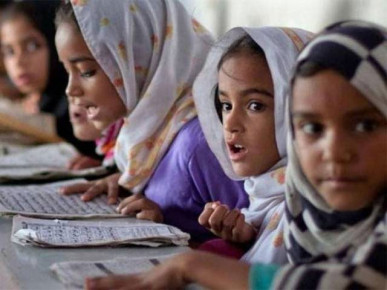
- Single-Shift Institutions: From Monday to Thursday, classes will commence at 8:00 AM and conclude at 12:30 PM. Furthermore, on Fridays, the schedule is adjusted to 8:00 AM to 12:00 PM. This maintains a focused learning block.
- Double-Shift Institutions: The morning shift will operate consistently from 8:00 AM to 12:30 PM, Monday through Friday. Conversely, the evening shift runs from 12:30 PM to 4:30 PM from Monday to Thursday, shifting to 1:30 PM to 4:30 PM on Friday. This staggered approach maximizes facility utilization.
- Ex-F.G. Colleges: These institutions will mirror the single-shift model. Specifically, their hours will be 8:00 AM to 12:30 PM from Monday to Thursday, and 8:00 AM to 12:00 PM on Friday. This standardization promotes systemic coherence.
These calibrated schedules represent a baseline for all concerned Area Education Officers. Their mandate is to disseminate and implement these revised Ramadan school timings with utmost fidelity. The Director General of the Federal Directorate of Education has provided explicit approval for these structural modifications, affirming their strategic importance.
The Socio-Economic Impact: Enhancing Student and Professional Daily Life
These revised timings directly impact the daily routines of thousands of students, educators, and their families across Islamabad. For students, the shorter school day during Ramadan allows for greater spiritual reflection and rest, which is crucial for well-being. Moreover, parents and guardians can better manage household schedules, facilitating evening family meals (Iftar) and religious observances without undue rush.
Professionals working in education benefit from a streamlined workday, enabling them to balance their professional commitments with personal and religious duties. This thoughtful recalibration of school hours contributes to improved productivity and reduced stress levels for the entire educational community. Ultimately, this change supports a more harmonious urban and rural lifestyle during a significant cultural and religious period.
The "Forward Path": A Stabilization Move for System Efficiency
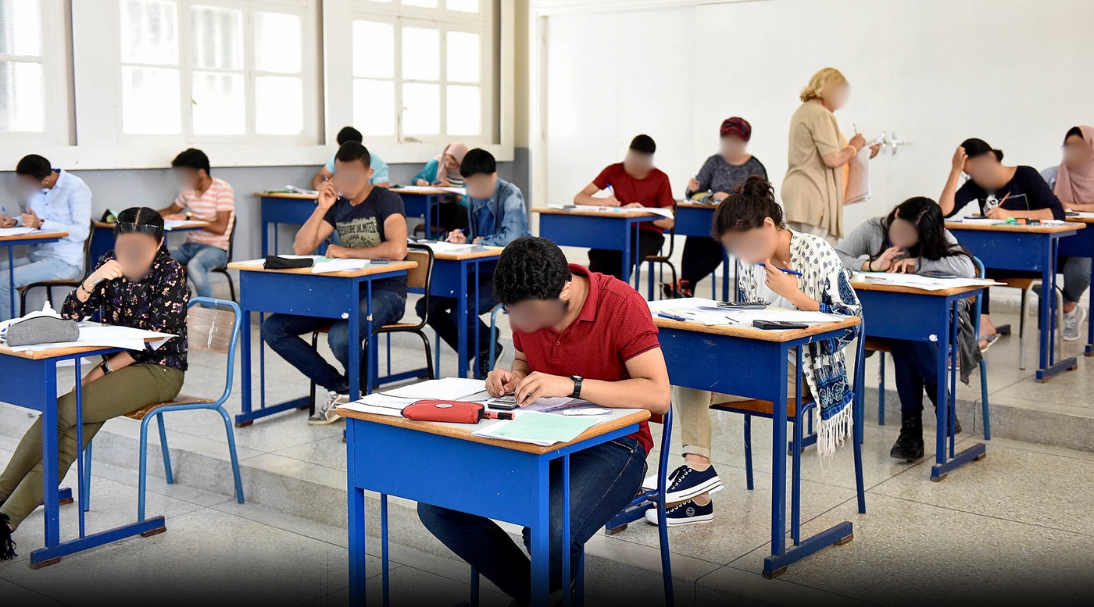
This development represents a "Stabilization Move." It is not a radical innovation but rather a precise and predictable adjustment that ensures systemic efficiency during a period of altered national routines. The FDE demonstrates a calibrated approach to governance, providing clarity and structure where ambiguity could lead to disruption. This strategic decision reinforces the operational resilience of our educational infrastructure.
Consequently, it establishes a reliable precedent for managing seasonal adjustments, which is vital for long-term educational planning. Such measures maintain consistent service delivery, promoting a stable and predictable environment for all stakeholders. This methodical approach is a cornerstone of national advancement.








