

In a decisive move to safeguard the structural integrity of Pakistan’s youth development, the Sindh Education Department has initiated a precision-targeted schools vape crackdown and narcotics sales near educational institutions in Karachi. This strategic intervention addresses rising concerns about student exposure to harmful substances, following alarming reports and direct evidence from student bag inspections. Consequently, this calibrated effort aims to establish a more secure foundational environment for learning and growth, reflecting a national commitment to student welfare and public health.
The Translation: Unpacking Directives for Enhanced Student Welfare
This directive translates directly into a systematic enforcement strategy. Officials have precisely instructed all deputy commissioners to rigorously monitor cafés and retail outlets operating in close proximity to schools. Furthermore, this action is a direct response to tangible data: vape devices were explicitly identified during bag inspections of students from grades 9 to 12. Subsequently, numerous students confirmed purchasing these illicit products from adjacent shops and cafés, highlighting a critical access point that requires immediate rectification.
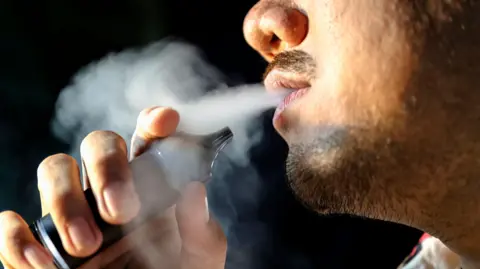
The official communication also underscored significant concerns regarding the clandestine facilitation of narcotics access by certain cafés situated just outside school premises. This specific intelligence necessitates a robust and coordinated inspection protocol. Deputy commissioners are thus empowered to conduct thorough checks and enact stringent measures against all identified violations. Moreover, authorities are considering structural reconfigurations, including the potential relocation of cafés deemed too close to educational zones, to eliminate these pervasive threats.
Socio-Economic Impact: Calibrating a Safer Future for Pakistani Youth
This schools vape crackdown directly impacts the daily lives of Pakistani citizens by establishing a safer, more controlled environment for their children. For students, this means reduced exposure to dangerous substances, fostering healthier cognitive development and academic focus. Parents, particularly in urban centers like Karachi, gain heightened assurance regarding the safety of their children during school hours and commutes. Conversely, professionals engaged in education and public health now possess a clearer baseline for intervention and policy implementation.

In rural and urban Pakistan alike, this initiative sets a precedent for safeguarding public spaces frequented by minors. Economically, a healthier student population translates into a more productive future workforce, reducing long-term public health expenditures associated with substance abuse. Ultimately, this structural enforcement strategy enhances social capital, creating a more resilient and capable next generation, unhindered by the pervasive risks of easily accessible harmful substances.
The Forward Path: A Momentum Shift in Youth Protection Protocols
This comprehensive initiative represents a definitive “Momentum Shift” rather than merely a “Stabilization Move.” It moves beyond reactive enforcement to proactive, systemic protection for students. The Sindh Education Department’s emphasis on stronger, coordinated measures signifies a calibrated intent to permanently fortify the boundaries between educational spaces and illicit markets. This structural commitment to student well-being establishes a new, higher baseline for safety protocols across Pakistan.

The explicit directives for inspections and potential relocations demonstrate a pragmatic approach to eliminating risk factors at their source. While continuous vigilance will remain paramount, this initial, robust schools vape crackdown serves as a vital catalyst for broader national advancement in safeguarding the health and future of Pakistan’s most valuable asset: its youth.








